
The tesla cybertruck continues making headlines as Tesla implements significant changes to its electric pickup lineup. Recent developments surrounding the tesla cybertruck reveal important strategic shifts that potential buyers need to understand. Tesla Discontinues Cheapest Cybertruck Model Less than 5 months after launching the new vehicle, Tesla has discontinued the Cybertruck RWD, marking a dramatic change in the company’s pricing strategy. This decision affects thousands of potential customers who were considering the more affordable rear-wheel-drive variant of the tesla cybertruck. The discontinuation raises questions about Tesla’s production priorities and market positioning. Industry analysts suggest this move reflects Tesla’s focus on higher-margin variants, as the company navigates competitive pressures in the electric truck market. Current Sales Performance and Market Reality “Tesla is currently selling the Cybertruck at a rate of roughly 20,000 units per year,” which falls significantly short of initial projections. The tesla cybertruck faced challenges throughout 2025, with Q2 2025 sales reaching only about 4,300 units, a steep decline that reflects waning consumer enthusiasm. Several factors contribute to these declining numbers: Quality control issues and recalls affecting consumer confidence Price increases since the original 2019 announcement Limited production capacity constraining availability Strong competition from other electric pickup manufacturers Technical Updates and Feature Changes Tesla recently made significant technical adjustments to the tesla cybertruck. Tesla scrapped wireless charging plans for Cybertruck due to efficiency issues, though the company continues developing this technology for future implementation. The latest software updates have introduced new features including enhanced Sentry Mode capabilities and improved off-road performance settings. These updates demonstrate Tesla’s commitment to enhancing the tesla cybertruck experience through over-the-air improvements. Global Expansion Continues Despite Challenges Despite domestic market struggles, Tesla expanded the tesla cybertruck internationally. The Tesla Cybertruck officially launched in South Korea, with new orders starting September 5, 2025. This marks the fourth global market for the electric pickup and represents Tesla’s first expansion outside North America. The Korean launch includes a substantial downpayment requirement of 20 million won ($14,300), reflecting the premium positioning of the tesla cybertruck in international markets. Federal Tax Credit Opportunity Current buyers can still benefit from federal incentives, as $7,500 federal tax credit remains available to eligible buyers who purchase and take delivery of a qualifying vehicle by September 30, 2025. This incentive applies to tesla cybertruck models under the $80,000 MSRP cap, though lease customers don’t qualify. Future Outlook and Production Changes Tesla faces ongoing production challenges with the tesla cybertruck. Recent reports indicate the company is considering production adjustments to address quality concerns and optimize manufacturing efficiency. The Cybertruck Foundation Series represents Tesla’s current premium offering, featuring exclusive features and limited availability. Market observers expect Tesla to announce additional configuration changes as the company refines its tesla cybertruck strategy. The discontinuation of the RWD model suggests Tesla is prioritizing profitability over volume, a significant shift from earlier mass-market aspirations. What This Means for Buyers Prospective tesla cybertruck buyers should act quickly if interested in current configurations, as Tesla’s recent pattern of discontinuing variants suggests further changes ahead. The remaining All-Wheel Drive and Cyberbeast variants offer superior performance but come with higher price tags. Current inventory levels remain limited, with delivery timelines extending several months for new orders. Buyers should also consider the expanding charging infrastructure and Tesla’s ongoing commitment to supporting tesla cybertruck owners through their Supercharger network. The tesla cybertruck story continues evolving as Tesla adapts to market realities while maintaining its position as an innovative force in electric vehicle manufacturing. Whether these strategic adjustments will boost sales remains to be seen, but they clearly signal Tesla’s commitment to profitability over pure volume in the competitive electric pickup segment. For the latest tesla cybertruck updates and pricing information, potential buyers should monitor Tesla’s official website and authorized dealers for the most current availability and specifications.

Space Waves: Breakthrough Gravitational Wave Discovery Confirms Einstein and Hawking Theories
The cosmos has delivered another stunning revelation as scientists announce the detection of the clearest space waves ever recorded, fundamentally changing our understanding of black holes and the fabric of spacetime itself. Ten years after detecting the first gravitational wave, the LIGO-Virgo-KAGRA Collaboration has announced the detection of GW250114—a ripple in spacetime which offers unprecedented insights into the nature of black holes and the fundamental laws of physics. This groundbreaking discovery represents a quantum leap in our ability to observe these invisible space waves that ripple through the universe. Revolutionary Space Waves Detection Changes Astronomy Forever The newly detected space waves, officially designated as GW250114, have provided scientists with the most detailed view of gravitational phenomena ever achieved. The most recent discovery announced by the LIGO, Virgo and KAGRA collaboration, in September 2025, is the clearest gravitational wave observation to date. These cosmic space waves originated from two black holes colliding billions of years ago, sending ripples through spacetime that have only now reached Earth. What makes this detection extraordinary is its remarkable similarity to the first gravitational wave ever detected in 2015. The precision of modern detectors has allowed researchers to capture these space waves with unprecedented clarity, opening new avenues for understanding the fundamental physics governing our universe. Space Waves Confirm Decades-Old Scientific Theories The implications of these space waves extend far beyond mere detection. Researchers have spent 10 years improving the massive detectors they use to catch shockwaves from colliding black holes, and now the science is precise enough to test one of Stephen Hawking’s key ideas. These space waves have provided the first direct confirmation of both Einstein’s general relativity and Hawking’s black hole theories, marking a historic moment in astrophysics research. The data extracted from these space waves reveals information about black hole properties that was previously theoretical. Scientists can now measure the mass, spin, and other characteristics of black holes with remarkable precision, transforming our understanding of these cosmic giants through the study of space waves. Beyond Discovery: How Space Waves Are Reshaping Modern Science The detection of these space waves represents more than a scientific milestone; it marks the beginning of a new era in astronomy. Astronomers have doubled the number of black hole and neutron star mergers detected via gravitational waves in a “stellar graveyard,” as well as “hearing” the heaviest black hole binary yet. Each new detection of space waves adds to our growing catalog of cosmic events, creating a comprehensive map of the universe’s most violent phenomena. These space waves have also sparked revolutionary theories about cosmic evolution. A radical new theory regarding the origin of the universe suggests that gravitational waves, tiny ripples in spacetime first predicted by Albert Einstein back in 1915, could have given rise to cosmic matter, eventually spawning galaxies, stars and planets. This suggests that space waves may have been instrumental in creating the cosmic structures we observe today. The Future of Space Waves Research and Commercial Applications The commercial implications of space waves research are beginning to emerge as the technology advances. The upcoming SpaceWaves 2025 conference will explore how these scientific breakthroughs intersect with commercial space ventures and technological innovation. Space exploration and commercialization have entered an unprecedented era, fueled by a growing number of private companies, international collaborations, and government agencies pushing toward new frontiers. As detector technology continues to improve, scientists anticipate detecting weaker space waves from more distant cosmic events, potentially revealing phenomena that remain hidden from traditional optical telescopes. The study of space waves promises to unlock secrets about dark matter, the early universe, and the fundamental nature of gravity itself. The recent breakthrough in space waves detection marks just the beginning of what scientists expect to be a flood of discoveries. With improved sensitivity and international collaboration, the next decade will likely see hundreds of new space waves detections, each contributing to our understanding of the cosmos and confirming that we have truly entered the age of gravitational wave astronomy. These cosmic space waves continue to demonstrate that the universe is far more dynamic and interconnected than previously imagined, with every detection bringing us closer to understanding the deepest mysteries of spacetime, black holes, and the fundamental forces that govern our cosmic neighborhood.

Rocket Launch Today: Everything You Need to Know About Current Space Missions
Rocket Launch Today Space enthusiasts searching for rocket launch today information have multiple exciting missions to track throughout September 2025. With SpaceX maintaining an unprecedented launch cadence and other space agencies contributing to an active launch manifest, today’s space industry offers remarkable opportunities to witness cutting-edge aerospace technology in action. Whether you’re tracking live launch schedules or planning to view missions from Florida’s Space Coast, understanding current rocket operations helps you stay connected with humanity’s expanding presence in space. (spacex launch today…) Current Rocket Launch Activity in September 2025 The space industry continues its remarkable momentum with SpaceX leading the charge in commercial spaceflight. As of September 12, 2025, SpaceX has completed 114 launches this year alone, demonstrating the company’s commitment to frequent and reliable access to space. This impressive launch rate supports various missions including satellite deployments, International Space Station resupply operations, and commercial payload deliveries. Anyone looking for rocket launch today schedules should monitor several key launch sites across the United States. Cape Canaveral Space Force Station in Florida remains the primary hub for major orbital missions, while Vandenberg Space Force Base in California handles polar and sun-synchronous orbit insertions. NASA’s Wallops Flight Facility in Virginia also contributes to the national launch infrastructure with specialized missions. Upcoming Launch Windows and Mission Profiles The remainder of September 2025 features several high-profile missions worth tracking. SpaceX has scheduled multiple Starlink satellite deployment missions from Space Launch Complex-40 at Cape Canaveral, continuing the expansion of the company’s global internet constellation. These routine missions provide excellent opportunities for spectators to witness Falcon 9 rocket launches and attempted booster recoveries. International Space Station resupply missions represent another category of launches generating significant public interest. Northrop Grumman’s Cygnus spacecraft missions, launched aboard SpaceX Falcon 9 rockets, deliver essential supplies, scientific experiments, and equipment to astronauts aboard the orbital laboratory. These missions typically feature extended launch windows and provide dramatic nighttime or dawn launch spectacles. How to Track and Watch Rocket Launch Today Events Modern space enthusiasts have unprecedented access to launch information through official channels and tracking websites. SpaceX maintains real-time launch schedules on their website, while NASA provides comprehensive mission details through their events calendar. Third-party tracking services aggregate launch information from multiple agencies, creating centralized resources for space enthusiasts. Live streaming has revolutionized public access to rocket launches. SpaceX streams all major missions on their website and social media channels, providing multiple camera angles including onboard views during ascent and landing attempts. NASA similarly offers comprehensive coverage of their missions and International Space Station operations through NASA Television and digital platforms. For those planning in-person viewing experiences, Florida’s Space Coast offers numerous viewing locations along beaches and parks. Popular spots include Cocoa Beach, Titusville, and various locations along US Highway 1. Arriving early ensures optimal viewing positions, especially for high-profile missions that attract large crowds. The Technology Behind Today’s Rocket Launches Modern rocket technology has evolved significantly from early space program designs. SpaceX’s Falcon 9 rocket features reusable first stages that land vertically after completing their primary mission, dramatically reducing launch costs and increasing mission frequency. These technological advances enable the high launch cadence that supports today’s diverse space economy. Payload deployment has become increasingly sophisticated, with rockets carrying multiple satellites on single missions. Rideshare programs allow smaller organizations and countries to access space affordably by sharing launch costs with other customers. This democratization of space access has created new opportunities for scientific research, Earth observation, and commercial ventures. Future Outlook for Rocket Launch Today Searches The space industry’s trajectory suggests continued growth in launch frequency and mission diversity. SpaceX’s ambitious target of more than 150 launches in 2025 reflects the increasing demand for space services across commercial, scientific, and national security sectors. This sustained activity ensures that rocket launch today searches will consistently return current and relevant mission information. Emerging commercial space companies are developing new launch vehicles and mission capabilities, potentially increasing launch opportunities from additional sites across the United States. Blue Origin, Rocket Lab, and other providers are expanding their operational capabilities, creating more diverse launch options for various payload requirements. As space technology continues advancing and launch costs decrease, rocket launches are becoming more routine while remaining spectacular demonstrations of human engineering achievement. Whether tracking missions for professional reasons or personal interest, staying informed about rocket launch today activities connects observers with humanity’s ongoing expansion into the solar system. The combination of frequent launch schedules, comprehensive tracking resources, and accessible viewing options makes this an exciting time for space enthusiasts. From routine satellite deployments to groundbreaking scientific missions, today’s rocket launches represent humanity’s continued push to explore and utilize the space environment for the benefit of life on Earth. (…spacex launch today…)

Will AI Take Your Job? An Insider Exposes 7 Jobs That Will Survive the Rise of AI
Jobs That Will Survive the Rise of AI As artificial intelligence continues reshaping the workforce, millions of workers are asking the same pressing question: will AI take my job? According to recent research from Syracuse University’s AI politics expert Professor Baobao Zhang, the answer isn’t simply yes or no. While AI threatens many traditional roles, certain careers remain remarkably resilient to automation. Will AI Take Your Job? If you’re worried about AI taking your job, these careers are the safest bets, an AI politics professor says, focusing primarily on trades and care work that require human empathy and hands-on expertise. (Jobs That Will Survive the Rise of AI) The Current State of AI Job Displacement While many CEOs are pausing hiring while they wait and see what jobs AI could replace, one AI expert warns that nearly all roles are at risk. The concern isn’t unfounded. If predictions about AI advancements ultimately leading to superintelligence are proven correct, the issue isn’t going to be about whether the 50% entry-level jobs being wiped out is accurate, but that percentage growing to 100%. However, Professor Zhang’s research offers a more nuanced perspective on which careers will weather the AI storm. Top AI-Resistant Career Categories (Jobs That Will Survive the Rise of AI) Skilled Trades: The Untouchable Professions AI politics professor Baobao Zhang said trades and care work are safer from AI, and argued that roles requiring empathy and hands-on skills are harder to automate. These positions require complex physical manipulation, real-world problem-solving, and adaptability that current AI systems cannot replicate. Most Secure Trade Careers: Electricians and electrical technicians Plumbers and pipefitters HVAC specialists Automotive mechanics Construction supervisors Welders and fabricators Healthcare and Care Work: The Human Touch Advantage The healthcare sector represents one of the most AI-resistant fields, particularly roles involving direct patient care. Of the list of AI-proof jobs, nurse practitioners are projected to grow the most, with an estimated increase of 45.7% by 2032, far faster than any of the other 64 jobs on the list. Safest Healthcare Positions: Registered nurses and nurse practitioners Physical therapists Occupational therapists Home health aides Mental health counselors Social workers Creative and Strategic Roles While AI has made significant inroads into content creation, certain creative and strategic positions remain largely protected due to their requirement for human insight, emotional intelligence, and complex decision-making. Why These Careers Resist Automation Professor Zhang’s analysis reveals three key factors that make certain jobs AI-resistant: 1. Physical Dexterity Requirements Jobs requiring fine motor skills, spatial awareness, and adaptation to unpredictable physical environments remain challenging for current robotic systems. 2. Emotional Intelligence and Empathy Care work and client-facing roles demand genuine human connection, emotional understanding, and cultural sensitivity that AI cannot authentically replicate. 3. Complex Problem-Solving in Unpredictable Environments Skilled trades often involve diagnosing unique problems, working with legacy systems, and adapting solutions to specific circumstances. Career Transition Strategies For workers in AI-vulnerable positions, Professor Zhang recommends focusing on building transferable skills and maintaining professional flexibility. She warned young workers to stay flexible and build strong networks. Key Recommendations: Pursue certifications in skilled trades Develop interpersonal and care-giving skills Build diverse professional networks Stay adaptable to technological changes Consider hybrid roles that combine human expertise with AI tools The White-Collar Vulnerability Surprisingly, many white-collar positions face greater AI risk than blue-collar trades. A new report from Microsoft researchers studying the occupational implications of generative AI offers some clarity. Translators, historians, and writers are among the roles with the highest AI applicability score. Traditional “safe” professional roles like accounting, data analysis, and basic legal work are increasingly automated, while hands-on trades remain secure. Future Outlook and Adaptation Experts say that AI and machine learning will help workers by creating more occupations than it replaces. The key lies in positioning yourself in sectors where human capabilities remain irreplaceable. The most successful career strategies will likely involve: Embracing roles that complement rather than compete with AI Developing skills in AI-human collaboration Focusing on uniquely human capabilities like creativity, empathy, and complex reasoning Maintaining lifelong learning mindsets Conclusion: Jobs That Will Survive the Rise of AI While AI will undoubtedly transform the job market, certain careers offer remarkable stability. Trades requiring physical expertise and care work demanding emotional intelligence represent the safest career bets according to leading AI researcher Professor Baobao Zhang. Rather than fearing technological advancement, workers can strategically position themselves in AI-resistant fields while building adaptable skill sets for the future economy. The key isn’t avoiding AI altogether, but understanding where human capabilities remain irreplaceable and positioning your career accordingly. Whether through skilled trades, healthcare, or other human-centric roles, opportunities exist for those willing to adapt and plan strategically. Jobs That Will Survive the Rise of AI

Life on Mars: NASA’s Perseverance Rover Discovers Strongest Evidence Yet of Ancient Microbial Life
The question of life on Mars has captivated humanity for decades, and today marks a monumental breakthrough in our quest for answers. NASA scientists announced groundbreaking findings that could finally prove ancient organisms once thrived on the Red Planet. This discovery, published in Nature journal and detailed in NASA’s official announcement, represents the closest we’ve ever come to confirming life on Mars. Revolutionary Biosignature Discovery on Mars NASA’s Perseverance rover has identified what scientists are calling the “clearest sign” of potential ancient life on Mars ever discovered. The rover collected a rock sample from Jezero Crater’s ancient dry riverbed, revealing intriguing leopard-like spots that may have been created by microscopic organisms billions of years ago. The sample, nicknamed “Sapphire Falls,” contains textural features that strongly suggest biological activity. These biosignatures aren’t direct evidence of life on Mars itself, but rather compelling indicators that microorganisms may have once inhabited the Martian environment when liquid water flowed across its surface. What Makes This Life on Mars Evidence So Compelling? Scientists have spent over a year analyzing this particular rock sample using advanced imaging techniques aboard the Perseverance rover. The leopard-spotted patterns discovered in the ancient mudstone formation exhibit characteristics typically associated with microbial activity on Earth. Key findings supporting potential life on Mars include: Organic Chemical Signatures: The rock contains complex organic compounds that could indicate biological processes once occurred in this location. Textural Biosignatures: Microscopic structures within the sample mirror formations created by microbial communities on Earth, suggesting similar life on Mars may have existed billions of years ago. Environmental Context: The sample originated from what was once a lake bottom in Jezero Crater, providing the perfect conditions for ancient life on Mars to flourish when the planet had a warmer, wetter climate. The Journey to Prove Life on Mars This breakthrough didn’t happen overnight. The Perseverance rover has been methodically exploring Mars since February 2021, specifically searching for signs that life on Mars once existed. The rover’s sophisticated drill system penetrates Martian rocks to collect samples from locations scientists believe were most suitable for hosting ancient organisms. The “Sapphire Falls” sample represents years of careful planning and execution. Scientists selected this particular location because geological evidence suggested it was once submerged beneath a Martian lake – an environment where life on Mars would have had the best chance of survival and preservation. What Happens Next in the Search for Life on Mars? While this discovery provides the strongest evidence yet for ancient life on Mars, scientists emphasize that definitive proof requires bringing these samples back to Earth for detailed laboratory analysis. NASA’s ambitious Mars Sample Return mission aims to retrieve these precious specimens within the next decade. Advanced Earth-based laboratories will be able to conduct tests impossible to perform on Mars, potentially providing conclusive evidence of whether life on Mars truly existed. These analyses could detect fossilized microorganisms, analyze complex organic molecules, and determine whether the observed patterns definitively indicate biological rather than geological processes. Implications of Discovering Life on Mars Confirming life on Mars would represent one of the most significant scientific discoveries in human history. It would prove that life isn’t unique to Earth and could exist throughout the universe under suitable conditions. This discovery would reshape our understanding of biology, planetary science, and our place in the cosmos. The findings also provide crucial insights into Mars’ ancient climate and habitability. If life on Mars existed billions of years ago, it suggests the Red Planet once possessed conditions remarkably similar to early Earth, with flowing water, protective atmospheres, and stable temperatures conducive to biological processes. The Future of Life on Mars Research NASA’s continued exploration efforts focus on answering whether life on Mars currently exists beneath the planet’s surface or in other hidden environments. Future missions will drill deeper into the Martian subsurface, analyze polar ice caps, and explore underground cave systems where modern life on Mars might persist. The European Space Agency’s ExoMars rover and NASA’s upcoming Mars missions will continue this vital research, potentially discovering not just evidence of ancient life on Mars, but proof that Martian organisms survive to this day. This historic discovery brings us one step closer to answering humanity’s most profound question: Are we alone in the universe? The evidence increasingly suggests that life on Mars once flourished, and potentially still does, on our neighboring world. Stay updated on the latest developments in Mars exploration and the ongoing search for life on Mars by following NASA’s Mars exploration program and upcoming sample return missions.

7 Critical Industrial Internet of Things Security Strategies That Transform Manufacturing Operations
The industrial internet of things security landscape has evolved into one of the most pressing concerns for manufacturing executives worldwide. As smart factories integrate countless connected devices, the attack surface expands exponentially, creating vulnerabilities that cybercriminals actively exploit. Modern industrial facilities now operate with thousands of interconnected sensors, controllers, and automated systems that, while boosting efficiency, introduce significant security challenges requiring immediate attention. Understanding the Industrial Internet of Things Security Framework Industrial internet of things security encompasses the comprehensive protection of connected industrial devices, networks, and data systems within manufacturing environments. Unlike traditional IT security, industrial cybersecurity must address unique operational technology (OT) requirements where system availability often takes precedence over confidentiality. Manufacturing leaders recognize that a single security breach can halt production lines, compromise worker safety, and result in millions of dollars in losses. The convergence of information technology (IT) and operational technology (OT) creates complex security scenarios that traditional approaches cannot adequately address. Legacy industrial systems, originally designed for isolated networks, now connect to enterprise systems and cloud platforms, exposing them to sophisticated cyber threats. This evolution demands specialized industrial internet of things security protocols that maintain operational continuity while protecting critical infrastructure. Primary Threats Targeting Industrial IoT Networks Advanced Persistent Threats (APTs) State-sponsored attackers increasingly target industrial systems using sophisticated, long-term infiltration strategies. These advanced persistent threats often remain undetected for months, gathering intelligence about industrial processes before launching devastating attacks. Industrial internet of things security frameworks must include continuous monitoring capabilities to detect subtle indicators of APT activity. Ransomware Attacks on Manufacturing Systems Ransomware groups specifically target industrial environments because production downtime creates immediate financial pressure on victims. Recent attacks on major manufacturing facilities demonstrate how quickly ransomware can propagate through connected industrial systems, encrypting critical operational data and disabling production equipment. Supply Chain Vulnerabilities Third-party vendors and suppliers often access industrial networks, creating potential entry points for malicious actors. Industrial internet of things security strategies must extend beyond organizational boundaries to encompass the entire supply chain ecosystem. Supply chain attacks have increased dramatically as attackers recognize the value of targeting trusted vendors with access to multiple industrial networks. Essential Security Technologies for Industrial IoT Protection Network Segmentation and Micro-segmentation Implementing robust network segmentation isolates critical industrial systems from corporate networks and external threats. Micro-segmentation takes this concept further by creating granular security zones around individual devices or device groups. This approach limits the lateral movement of attackers and contains potential security breaches within specific network segments. Modern industrial internet of things security architectures leverage software-defined networking (SDN) technologies to create dynamic security perimeters that adapt to changing operational requirements. Network security experts recommend implementing zero-trust principles where every device and connection requires verification regardless of its network location. Endpoint Detection and Response (EDR) Industrial-grade endpoint detection and response solutions provide real-time monitoring and threat hunting capabilities specifically designed for operational technology environments. These systems analyze device behavior patterns, network communications, and system logs to identify potential security incidents before they impact production operations. The unique requirements of industrial environments necessitate EDR solutions that minimize performance impact on critical systems while providing comprehensive visibility into device activities. Industrial internet of things security platforms must balance thorough monitoring with operational stability to ensure continuous production. Identity and Access Management (IAM) Robust identity and access management systems control who can access industrial systems and what actions they can perform. Multi-factor authentication, privileged access management, and role-based access controls form the foundation of comprehensive industrial internet of things security strategies. Cybersecurity frameworks emphasize the importance of implementing least-privilege principles where users and systems receive only the minimum access required for their specific functions. This approach significantly reduces the potential impact of compromised credentials or insider threats. Implementation Best Practices for Manufacturing Organizations Risk Assessment and Asset Discovery Comprehensive risk assessments begin with thorough asset discovery to identify all connected devices within industrial environments. Many organizations lack complete visibility into their connected device inventory, making it impossible to implement effective security measures. Industrial internet of things security programs must start with accurate asset mapping and classification. Regular vulnerability assessments help identify security weaknesses in industrial systems before attackers can exploit them. Cybersecurity consultants recommend conducting quarterly assessments with specialized tools designed for operational technology environments. Security Monitoring and Incident Response 24/7 security monitoring capabilities enable rapid detection and response to potential threats targeting industrial systems. Security operations centers (SOCs) specifically focused on industrial environments provide specialized expertise in operational technology security challenges. Incident response plans must account for the unique requirements of industrial environments where system availability often takes precedence over traditional cybersecurity priorities. Industrial internet of things security incident response procedures should include clear escalation paths and communication protocols to minimize production impact. Employee Training and Awareness Human factors remain one of the most significant vulnerabilities in industrial internet of things security. Comprehensive training programs help employees recognize potential threats, follow security protocols, and report suspicious activities promptly. Security awareness training should include specific scenarios relevant to industrial environments, such as social engineering attacks targeting operational technology personnel and the proper handling of removable media in manufacturing facilities. Regulatory Compliance and Standards Framework NIST Cybersecurity Framework for Manufacturing The National Institute of Standards and Technology (NIST) provides comprehensive guidelines specifically tailored for manufacturing cybersecurity. The NIST Manufacturing Profile offers detailed implementation guidance for industrial internet of things security programs aligned with industry best practices. Organizations implementing NIST guidelines benefit from structured approaches to risk management, security controls implementation, and continuous improvement processes. Regulatory compliance experts emphasize that following established frameworks demonstrates due diligence in cybersecurity risk management. IEC 62443 Industrial Security Standards The IEC 62443 series provides internationally recognized standards for industrial automation and control systems security. These standards offer detailed technical requirements for industrial internet of things security implementation, including network architecture guidelines, device security requirements, and security lifecycle management processes. Future Trends in Industrial IoT Security Artificial Intelligence and Machine Learning AI-powered security solutions increasingly play crucial roles in industrial internet of things security by analyzing
Internet of Things Healthcare Companies: Top 25 Innovative Leaders Transforming Patient Care
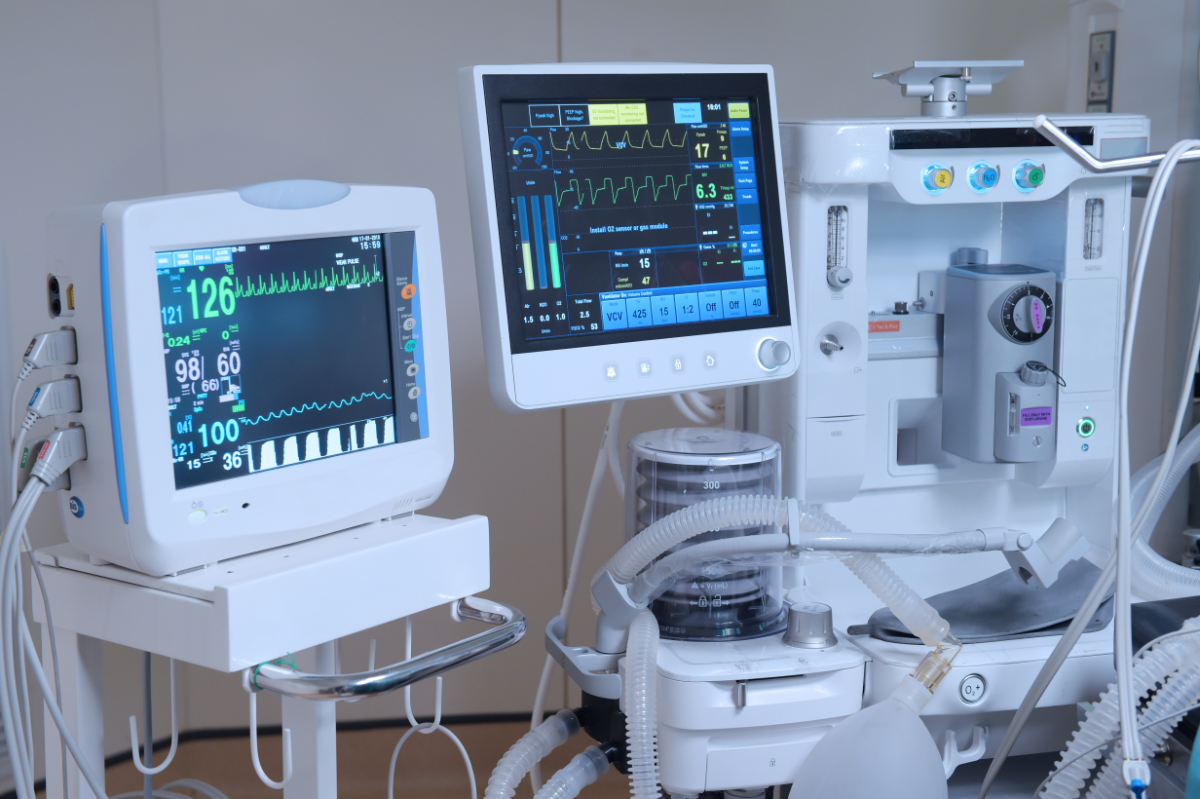
The healthcare industry stands at the precipice of a technological revolution, driven by internet of things healthcare companies that are fundamentally reshaping patient care delivery. These pioneering organizations leverage interconnected medical devices, sensors, and platforms to create comprehensive healthcare ecosystems that monitor, predict, and respond to patient needs in real-time. From remote patient monitoring solutions to smart hospital infrastructure, the integration of IoT technology represents a paradigm shift toward more personalized, efficient, and accessible healthcare services. Understanding the IoT Healthcare Ecosystem Internet of things healthcare companies operate within a complex ecosystem where medical devices communicate seamlessly with healthcare providers, patients, and care management systems. This interconnected network enables continuous health monitoring through wearable devices, smart implants, and environmental sensors that collect vital health data around the clock. The global IoT healthcare market is projected to reach $659.8 billion by 2030, demonstrating the massive potential these companies hold for transforming medical care delivery. Leading internet of things healthcare companies focus on creating interoperable systems that break down traditional silos between different healthcare stakeholders. These platforms integrate with electronic health records, hospital management systems, and insurance providers to create comprehensive patient profiles that enable proactive healthcare interventions. Key Market Players and Their Innovations Enterprise IoT Healthcare Leaders Several established technology giants have emerged as dominant internet of things healthcare companies, leveraging their existing infrastructure and expertise to penetrate the healthcare market. IBM Watson Health continues to develop AI-powered healthcare analytics platforms that process data from thousands of connected medical devices, while Microsoft Healthcare focuses on cloud-based IoT solutions that enable healthcare organizations to scale their digital transformation initiatives. Amazon Web Services has positioned itself as a critical infrastructure provider for internet of things healthcare companies through its AWS IoT Core for Healthcare, offering HIPAA-compliant cloud services that support medical device connectivity and data analytics. Similarly, Google Cloud Healthcare API provides healthcare organizations with the tools needed to integrate IoT devices with existing healthcare systems while maintaining strict data security and privacy standards. Specialized Medical IoT Innovators Beyond the technology giants, numerous specialized internet of things healthcare companies are developing targeted solutions for specific medical conditions and care scenarios. Philips Healthcare has established itself as a leader in connected health solutions, offering comprehensive IoT platforms that span hospital care, home healthcare, and personal health management. GE Healthcare focuses on industrial-grade IoT solutions for hospitals and healthcare systems, developing smart medical equipment that can predict maintenance needs, optimize performance, and integrate seamlessly with hospital information systems. Their approach demonstrates how internet of things healthcare companies can improve operational efficiency while enhancing patient care quality. Revolutionary Applications Across Healthcare Segments Remote Patient Monitoring Solutions Internet of things healthcare companies have revolutionized chronic disease management through sophisticated remote monitoring platforms. These systems utilize continuous glucose monitors, smart blood pressure cuffs, and cardiac monitoring devices that transmit real-time data to healthcare providers, enabling early intervention and reducing hospital readmissions. Companies like Teladoc Health integrate IoT monitoring devices with telehealth platforms, creating comprehensive virtual care experiences that rival traditional in-person consultations. This integration allows healthcare providers to access objective physiological data during virtual appointments, improving diagnostic accuracy and treatment outcomes. Smart Hospital Infrastructure Leading internet of things healthcare companies are transforming hospital operations through intelligent infrastructure solutions. Smart bed systems monitor patient movement, vital signs, and fall risk indicators, automatically alerting nursing staff when intervention is required. These systems demonstrate how IoT technology can simultaneously improve patient safety and optimize healthcare workforce efficiency. Environmental monitoring systems developed by internet of things healthcare companies track air quality, temperature, humidity, and pathogen presence throughout healthcare facilities. Johnson Controls has developed comprehensive building automation systems that create optimal healing environments while reducing operational costs and energy consumption. Medication Management and Adherence Internet of things healthcare companies are addressing medication adherence challenges through smart pill dispensers, connected inhalers, and digital therapeutics platforms. PillPack, now owned by Amazon, represents how traditional pharmacy services can be enhanced through IoT connectivity, providing automated medication sorting and delivery services that improve patient compliance. Smart inhaler devices developed by companies like Propeller Health demonstrate how internet of things healthcare companies can create condition-specific solutions that provide actionable insights to both patients and healthcare providers, ultimately improving treatment outcomes for chronic respiratory conditions. Technology Infrastructure and Data Security Connectivity Standards and Protocols Internet of things healthcare companies must navigate complex technical requirements to ensure reliable, secure, and interoperable device connectivity. HL7 FHIR standards have emerged as critical frameworks that enable different IoT healthcare devices and systems to communicate effectively, regardless of their manufacturer or underlying technology platform. Edge computing solutions developed by internet of things healthcare companies address latency and bandwidth challenges inherent in healthcare IoT deployments. By processing critical health data locally before transmitting summaries to cloud platforms, these systems ensure that life-critical alerts and interventions can occur without dependency on network connectivity. Cybersecurity and Privacy Compliance Data security represents a paramount concern for internet of things healthcare companies, given the sensitive nature of health information and regulatory requirements like HIPAA and GDPR. Leading companies implement end-to-end encryption, multi-factor authentication, and zero-trust network architectures to protect patient data throughout its lifecycle. Blockchain technology is increasingly being explored by internet of things healthcare companies as a mechanism for creating immutable audit trails and enabling secure data sharing between healthcare stakeholders while maintaining patient privacy and consent management. Market Challenges and Future Opportunities Regulatory Landscape Navigation Internet of things healthcare companies must navigate increasingly complex regulatory environments as healthcare authorities worldwide develop frameworks for connected medical devices. FDA guidance on software as medical devices (SaMD) continues to evolve, requiring companies to demonstrate clinical efficacy and safety for their IoT healthcare solutions. International harmonization efforts led by organizations like the International Medical Device Regulators Forum are creating opportunities for internet of things healthcare companies to develop global solutions that can be deployed across multiple regulatory jurisdictions with streamlined approval processes. Emerging Technologies Integration Artificial intelligence and machine learning capabilities are becoming increasingly central to the value proposition offered by
Top 15 US Internet of Things Manufacturing Companies Leading Digital Innovation
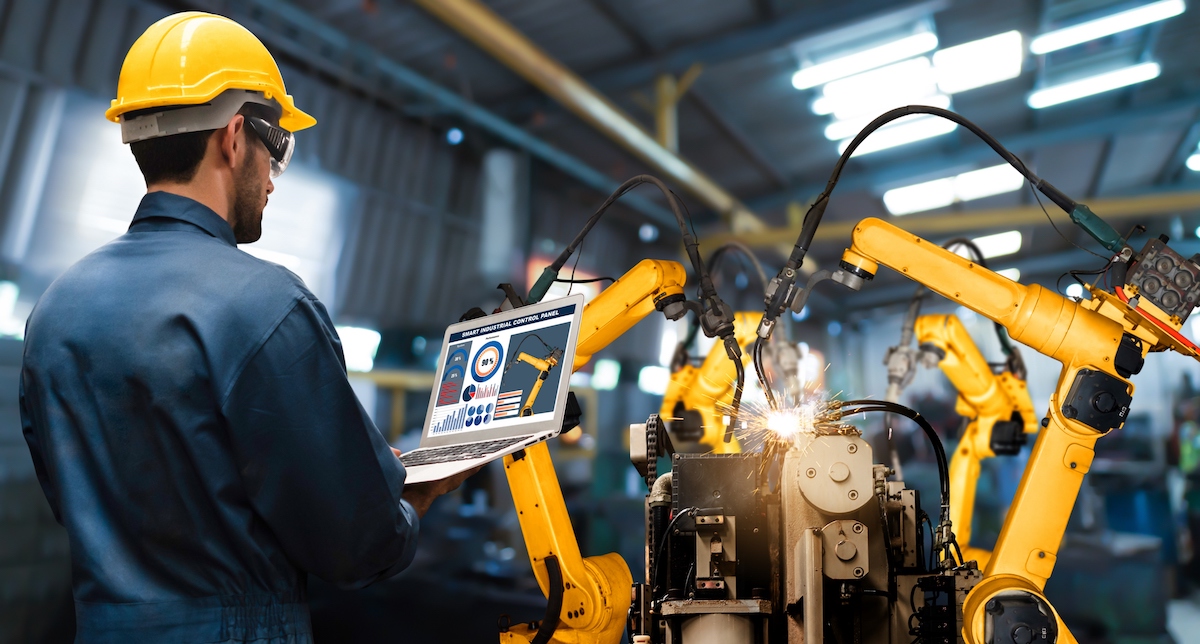
The United States has emerged as a global powerhouse in industrial IoT development, with US internet of things manufacturing companies spearheading revolutionary changes across manufacturing sectors. These American-based firms are creating sophisticated solutions that connect industrial equipment, sensors, and systems throughout production facilities nationwide. From advanced analytics platforms to predictive maintenance systems, US internet of things manufacturing companies are enabling domestic manufacturers to achieve remarkable operational efficiency gains. America’s IoT Manufacturing Leadership The American manufacturing landscape is undergoing unprecedented transformation through IoT integration. US internet of things manufacturing companies have positioned themselves as innovation leaders, developing cutting-edge technologies that set global standards for industrial connectivity. These organizations leverage America’s technological expertise and manufacturing heritage to create solutions that address complex industrial challenges. Market research indicates that US internet of things manufacturing companies control significant portions of the global IoT manufacturing market. This dominance stems from substantial investments in research and development, access to advanced technological infrastructure, and partnerships with leading American universities. The result is a thriving ecosystem of IoT innovation centered in major technology hubs across the United States. Major US Players Shaping the Industry Several prominent US internet of things manufacturing companies have established themselves as industry pioneers. General Electric, headquartered in Boston, revolutionized industrial IoT with their Predix platform, enabling manufacturers worldwide to harness machine data for operational optimization. The company’s digital transformation initiatives have influenced how US internet of things manufacturing companies approach industrial connectivity. PTC Corporation, based in Massachusetts, represents another significant player among US internet of things manufacturing companies. Their ThingWorx platform provides comprehensive IoT development tools that American manufacturers use to create custom industrial applications. Similarly, Honeywell leverages its extensive industrial experience to deliver sophisticated IoT solutions for manufacturing operations. California-based technology giants also contribute significantly to this sector. Microsoft’s Azure IoT platform supports numerous US internet of things manufacturing companies in developing cloud-based industrial solutions. These partnerships demonstrate how American technology infrastructure enables innovative IoT manufacturing applications. Technological Innovations from US Companies US internet of things manufacturing companies excel in developing advanced technologies that differentiate American IoT solutions from international alternatives. Edge computing capabilities developed by these firms enable real-time processing of manufacturing data directly on production floors, reducing latency and improving system responsiveness. Cloud integration platforms provide scalable infrastructure that supports massive data volumes generated by connected industrial equipment. Machine learning algorithms created by US internet of things manufacturing companies enable sophisticated predictive analytics capabilities. These systems analyze equipment performance patterns to predict maintenance requirements, significantly reducing unplanned downtime for American manufacturers. Artificial intelligence integration represents another area where US companies maintain technological advantages through continuous innovation. Wireless sensor technologies developed domestically form the foundation of modern IoT manufacturing implementations. US internet of things manufacturing companies design sensor networks that collect comprehensive data from temperature monitors, vibration sensors, and pressure measurement devices throughout manufacturing facilities. This data flows to analytics platforms where proprietary algorithms transform raw information into actionable manufacturing insights. Advantages for American Manufacturers Organizations partnering with US internet of things manufacturing companies benefit from proximity to innovation centers and responsive customer support. Enhanced equipment monitoring allows manufacturers to optimize production schedules based on real-time performance data collected through sophisticated sensor networks. Quality control processes become more effective through continuous parameter monitoring that enables immediate corrective actions. Energy efficiency improvements represent significant advantages delivered by these specialized American firms. IoT sensors monitor power consumption across manufacturing operations, identifying optimization opportunities that reduce operational costs. Smart manufacturing technologies developed by US companies create integrated energy management solutions supporting both cost reduction and sustainability objectives. Supply chain optimization emerges naturally from implementations by US internet of things manufacturing companies. Their solutions track materials, inventory, and finished goods throughout production cycles, providing visibility that enables accurate demand forecasting. This comprehensive monitoring reduces carrying costs while improving customer satisfaction through more reliable delivery schedules. Implementation Strategies and Best Practices US internet of things manufacturing companies have developed proven methodologies for successful IoT implementations. Legacy equipment integration represents a common challenge that these firms address through custom interface development and protocol translation. System integration expertise enables seamless connectivity between older machines and modern IoT platforms while preserving existing capital investments. Cybersecurity frameworks developed by US internet of things manufacturing companies address increasing concerns about connected system vulnerabilities. Multi-layered security approaches including advanced encryption, robust authentication, and network segmentation protect sensitive operational data from unauthorized access. These security measures meet stringent requirements for critical infrastructure protection. Data management solutions provided by these American companies handle enormous volumes of sensor information generated by connected manufacturing equipment. Comprehensive data governance frameworks ensure information quality while maintaining optimal system performance. US internet of things manufacturing companies typically offer scalable storage and processing capabilities that grow with manufacturing operations. Economic Impact and Market Position The economic contribution of US internet of things manufacturing companies extends beyond direct revenue generation. These firms create high-value employment opportunities in technology development, system integration, and customer support roles. Research and development investments by US companies drive continued innovation that maintains American competitive advantages in global IoT markets. Export opportunities for US internet of things manufacturing companies continue expanding as international manufacturers seek proven IoT solutions. American technological expertise and manufacturing experience create compelling value propositions for global customers requiring reliable industrial connectivity solutions. This international demand supports domestic job growth and technology development initiatives. Partnership ecosystems developed around US internet of things manufacturing companies include semiconductor manufacturers, software developers, and system integrators. These collaborative relationships accelerate innovation while creating comprehensive solution offerings that address diverse manufacturing requirements across multiple industry sectors. Future Outlook and Opportunities The trajectory for US internet of things manufacturing companies remains strongly positive as emerging technologies create new market opportunities. 5G connectivity deployment across the United States enables more sophisticated real-time control applications that leverage low-latency communication capabilities. Edge computing development allows intelligent decision-making directly at production points, reducing dependence on cloud connectivity. Digital twin technology represents a frontier area where US companies maintain innovation leadership. Virtual manufacturing process

Internet of Things Database: 7 Essential Strategies for Seamless Device Data Management
The exponential growth of connected devices has made an internet of things database a critical infrastructure component for organizations worldwide. As billions of sensors, smart devices, and IoT endpoints generate massive volumes of real-time data, businesses need robust database solutions that can handle the unique challenges of IoT data management. Modern enterprises rely on specialized database architectures to process the continuous streams of telemetry data from their connected devices. An internet of things database must address specific requirements including high-velocity data ingestion, scalable storage solutions, and real-time analytics capabilities that traditional databases often struggle to provide. Understanding IoT Data Characteristics IoT-generated data presents distinct challenges that influence internet of things database design decisions. Unlike conventional business data, IoT information flows continuously from thousands or millions of devices, creating unique storage and processing requirements. The volume, velocity, and variety of this data demand specialized database management systems that can efficiently handle time-series information. Device sensors produce structured data at regular intervals, while edge computing systems generate semi-structured logs and unstructured multimedia content. This diversity requires an internet of things database architecture that supports multiple data types within unified storage frameworks. Organizations must consider factors like data retention policies, compression algorithms, and query optimization strategies when selecting appropriate database technologies. Key Database Technologies for IoT Applications Several database technologies excel at managing IoT workloads, each offering distinct advantages for specific use cases. Time-series databases like InfluxDB and TimescaleDB specialize in storing and analyzing timestamped data points, making them ideal choices for many internet of things database implementations. NoSQL databases including MongoDB and Cassandra provide horizontal scalability and flexible schema designs that accommodate diverse IoT data formats. These solutions support distributed architectures essential for managing geographically distributed device networks. Document databases excel at storing complex device configurations and metadata alongside sensor readings. Cloud-native database services from major providers offer managed internet of things database solutions that eliminate infrastructure management overhead. Amazon Timestream, Google Cloud Bigtable, and Azure Cosmos DB provide serverless scaling capabilities that align with fluctuating IoT data volumes. Data Ingestion and Processing Strategies Effective internet of things database architectures implement multi-tier data ingestion pipelines that buffer incoming sensor data and process it efficiently. Message queues like Apache Kafka and cloud-based streaming services provide reliable data transport mechanisms between IoT devices and database systems. Edge computing frameworks enable preliminary data processing at device locations, reducing bandwidth requirements and improving response times. This distributed approach allows organizations to filter, aggregate, and preprocess IoT data before storing it in centralized internet of things database systems. Apache Storm and similar stream processing platforms handle real-time data transformation tasks. Batch processing complements real-time ingestion by handling historical data analysis and complex aggregation operations. Modern internet of things database implementations often combine streaming and batch processing paradigms to deliver comprehensive analytics capabilities while maintaining optimal performance characteristics. Storage Optimization and Performance Tuning Optimizing storage efficiency represents a crucial aspect of internet of things database management, given the massive volumes of data generated by connected devices. Compression algorithms, data partitioning strategies, and automated archival processes help organizations manage storage costs while maintaining query performance. Time-based partitioning schemes align naturally with IoT data patterns, enabling efficient range queries and simplifying data lifecycle management. Properly configured internet of things database systems can achieve significant compression ratios by leveraging temporal data patterns and implementing appropriate encoding schemes. Index optimization strategies must balance query performance against storage overhead and write throughput requirements. Selective indexing approaches focus on frequently queried dimensions while avoiding unnecessary index maintenance for high-cardinality attributes common in IoT datasets. Security and Compliance Considerations Internet of things database security encompasses multiple layers including network protection, access control mechanisms, and data encryption protocols. Device authentication, secure communication channels, and fine-grained permission systems protect sensitive IoT data from unauthorized access. Compliance requirements vary across industries, with healthcare, financial, and industrial IoT applications subject to specific regulatory frameworks. An internet of things database must support audit trails, data lineage tracking, and retention policies that satisfy relevant compliance standards. Security frameworks provide guidance for implementing comprehensive protection strategies. Data anonymization and pseudonymization techniques help organizations balance analytics requirements with privacy obligations. Modern internet of things database platforms offer built-in privacy controls that automatically apply appropriate data protection measures based on configurable policies and regulatory requirements. Future Trends and Emerging Technologies The evolution of internet of things database technologies continues accelerating with advances in edge computing, artificial intelligence, and quantum-resistant security protocols. Distributed ledger technologies offer new approaches to IoT data integrity and device authentication, while machine learning integration enables automated anomaly detection and predictive analytics capabilities. Edge-native database architectures are emerging to support ultra-low latency applications and autonomous systems. These distributed internet of things database designs push data processing capabilities closer to device locations while maintaining global consistency and coordination mechanisms. As IoT ecosystems mature, interoperability standards and federation protocols will enable seamless data sharing across different database platforms and vendor ecosystems, creating more flexible and resilient internet of things database infrastructures for tomorrow’s connected world.

Internet of Things Home Devices: 7 Essential Technologies Transforming Modern Living
The internet of things home devices revolution has fundamentally changed how we interact with our living spaces. From smart thermostats that learn your preferences to voice assistants that control your entire home ecosystem, these connected technologies are creating unprecedented convenience and efficiency in residential environments. Understanding the Internet of Things Home Devices Ecosystem Internet of things home devices encompass a vast network of interconnected gadgets designed to automate, monitor, and enhance your daily routines. These devices communicate through wireless protocols like WiFi, Bluetooth, and Zigbee, creating a seamless smart home experience that responds to your needs intuitively. The foundation of any internet of things home devices setup begins with a central hub or controller. Popular options include Samsung SmartThings, Hubitat, and Home Assistant, which serve as the brain coordinating all your connected appliances and sensors. Security and Privacy in Internet of Things Home Devices Security remains a critical consideration when implementing internet of things home devices throughout your residence. Cybersecurity experts recommend regular firmware updates, strong password protocols, and network segmentation to protect your connected ecosystem from potential vulnerabilities. Many internet of things home devices now feature advanced encryption and multi-factor authentication, ensuring your personal data and home automation preferences remain secure while maintaining the convenience these technologies provide. Energy Efficiency Through IOT Home Devices IOT home devices excel at optimizing energy consumption through intelligent monitoring and automated adjustments. Smart lighting systems can reduce electricity usage by up to 60% through motion sensing and daylight harvesting capabilities. Advanced IOT home devices like smart water heaters and HVAC controllers use machine learning algorithms to predict usage patterns and adjust operations accordingly, resulting in significant utility bill reductions while maintaining comfort levels. Popular Categories of Internet of Things Home Devices Climate Control Systems Modern internet of things home devices for climate management include programmable thermostats, smart vents, and humidity monitors that work together to maintain optimal indoor conditions while minimizing energy waste. Entertainment and Media Internet of things home devices in entertainment encompass streaming devices, smart TVs, and whole-home audio systems that integrate with voice commands and mobile applications for seamless content delivery. Kitchen Appliances The culinary world has embraced IOT home devices with smart refrigerators, connected ovens, and automated coffee makers that can be programmed and monitored remotely through smartphone applications. Future Trends in Internet of Things Home Devices The evolution of Iot devices continues accelerating with emerging technologies like artificial intelligence integration, 5G connectivity, and edge computing capabilities that promise even more responsive and intelligent home automation solutions. IOT home devices are increasingly incorporating predictive maintenance features that can identify potential equipment failures before they occur, reducing repair costs and preventing unexpected outages in your smart home ecosystem. As manufacturers continue innovating, internet of things home devices will become more affordable, user-friendly, and interoperable, making comprehensive home automation accessible to a broader range of consumers seeking enhanced convenience and efficiency in their daily lives.