
The modern transportation landscape is experiencing unprecedented transformation through internet of things fleet management solutions. This technological revolution enables fleet operators to monitor vehicle performance, reduce operational costs, and enhance driver safety through real-time data analytics and intelligent automation systems. Understanding Internet of Things Fleet Management Systems Internet of things fleet management represents the integration of connected devices, sensors, and software platforms that work together to optimize fleet operations. These sophisticated systems collect vast amounts of data from vehicles, drivers, and routes, enabling fleet managers to make informed decisions that improve efficiency and profitability. Modern iot fleet management platforms utilize GPS tracking, telematics devices, and advanced analytics to provide comprehensive visibility into fleet operations. Fleet managers can access real-time information about vehicle location, fuel consumption, engine diagnostics, and driver behavior through centralized dashboards that streamline operational oversight. Key Components of IoT Fleet Management Solutions The foundation of effective iot fleet management lies in several critical components that work synergistically to deliver optimal results. Vehicle telematics devices serve as the primary data collection points, gathering information about engine performance, fuel efficiency, and maintenance requirements through connected sensors embedded throughout the vehicle. GPS tracking systems provide precise location data, enabling fleet managers to monitor route efficiency and optimize delivery schedules. These systems integrate seamlessly with internet of things fleet management platforms to deliver real-time tracking capabilities that enhance customer service and operational transparency. Driver monitoring systems represent another crucial element of comprehensive internet of things fleet management solutions. These systems track driver behavior patterns, including acceleration, braking, and speed compliance, helping fleet operators implement safety programs that reduce accidents and insurance costs. Benefits of Implementing IoT Fleet Management Organizations implementing internet of things fleet management systems typically experience significant improvements in operational efficiency and cost reduction. Fuel management becomes more precise through real-time monitoring of consumption patterns, enabling fleet managers to identify inefficient routes and implement fuel-saving strategies that directly impact profitability. Predictive maintenance capabilities inherent in internet of things fleet management systems help prevent costly breakdowns and extend vehicle lifespan. By analyzing engine diagnostics and performance data, fleet managers can schedule maintenance activities proactively, reducing downtime and repair costs significantly. Enhanced security features within internet of things fleet management platforms provide theft protection and cargo monitoring capabilities. Real-time alerts notify fleet managers of unauthorized vehicle usage or route deviations, enabling rapid response to security incidents and asset protection. Advanced Features and Technologies Modern internet of things fleet management solutions incorporate artificial intelligence and machine learning algorithms to provide predictive insights and automated decision-making capabilities. These advanced technologies analyze historical data patterns to forecast maintenance needs, optimize routes, and identify operational inefficiencies before they impact performance. Cloud-based internet of things fleet management platforms offer scalability and accessibility advantages for growing organizations. Fleet managers can access critical information from any location through mobile applications that provide real-time updates and emergency notifications. Integration capabilities allow internet of things fleet management systems to connect with existing enterprise resource planning and customer relationship management platforms. This seamless integration creates comprehensive business intelligence ecosystems that support strategic decision-making and operational planning. Implementation Strategies and Best Practices Successful internet of things fleet management implementation requires careful planning and stakeholder engagement throughout the organization. Fleet managers should begin with pilot programs that demonstrate value and build internal support for technology adoption across the organization. Training programs ensure that drivers and fleet personnel understand how to utilize internet of things fleet management features effectively. Comprehensive training initiatives should cover system functionality, safety protocols, and performance optimization techniques that maximize return on investment. Data management strategies become critical as internet of things fleet management systems generate substantial amounts of information. Organizations must implement robust data governance frameworks that ensure data quality, security, and compliance with regulatory requirements. Future Trends and Industry Evolution The evolution of internet of things fleet management continues to accelerate with emerging technologies like 5G connectivity, edge computing, and autonomous vehicle integration. These technological advances promise even greater levels of automation and efficiency for next-generation fleet operations. Sustainability initiatives are driving increased adoption of internet of things fleet management solutions that support environmental compliance and carbon footprint reduction. Fleet operators are leveraging these systems to implement green fleet strategies that meet regulatory requirements while reducing operational costs. As the transportation industry continues evolving, internet of things fleet management will remain essential for organizations seeking competitive advantages through operational excellence, cost optimization, and enhanced customer service delivery in an increasingly connected world.

Internet of Things and Automation: 7 Revolutionary Ways Smart Technology Transforms Modern Business Operations
The internet of things and automation landscape is reshaping how businesses operate across every industry. From smart manufacturing systems to connected healthcare devices, this technological convergence is creating unprecedented opportunities for efficiency and innovation. Understanding the Internet of Things and Automation Ecosystem The internet of things and automation represents the seamless integration of connected devices with intelligent control systems. This powerful combination enables real-time data collection and automated decision-making processes that drive operational excellence. Modern enterprises leverage these interconnected systems to monitor, analyze, and optimize performance across their entire infrastructure. Smart sensors embedded throughout facilities collect continuous streams of data, while machine learning algorithms process this information to trigger automated responses. The result is a self-regulating ecosystem where internet of things and automation technologies work together to minimize human intervention while maximizing productivity. Key Benefits of Internet of Things and Automation Integration Enhanced Operational Efficiency When internet of things and automation systems operate in harmony, businesses experience dramatic improvements in operational efficiency. Predictive maintenance algorithms analyze sensor data to identify potential equipment failures before they occur, reducing downtime by up to 50%. This proactive approach to maintenance scheduling ensures optimal equipment performance while minimizing unexpected disruptions. Cost Reduction Through Smart Resource Management The internet of things and automation enables precise resource allocation through intelligent monitoring and control systems. Energy management platforms automatically adjust lighting, heating, and cooling based on occupancy patterns and environmental conditions. These optimizations typically result in 20-30% reductions in operational costs while maintaining optimal working conditions. Improved Data-Driven Decision Making Advanced internet of things and automation platforms generate vast amounts of actionable data that inform strategic business decisions. Business intelligence dashboards consolidate information from multiple sources, providing executives with real-time insights into operational performance, customer behavior, and market trends. Industry Applications of Internet of Things and Automation Manufacturing and Industrial Operations The manufacturing sector has embraced internet of things and automation technologies to create smart factories that operate with minimal human oversight. Robotic process automation systems handle repetitive tasks with precision and consistency, while IoT sensors monitor production quality in real-time. These integrated systems enable manufacturers to achieve higher throughput rates while maintaining strict quality standards. Smart Building Management Commercial real estate has transformed through the implementation of internet of things and automation solutions. Building automation systems control HVAC, security, and lighting systems based on occupancy patterns and environmental conditions. Property managers can remotely monitor and adjust building systems through centralized control platforms, ensuring optimal comfort while minimizing energy consumption. Healthcare and Medical Devices The healthcare industry leverages internet of things and automation to improve patient outcomes and streamline clinical workflows. Remote patient monitoring devices collect vital signs and transmit data to healthcare providers in real-time. Automated alert systems notify medical staff when patient conditions require immediate attention, enabling faster response times and better care coordination. Implementation Strategies for Internet of Things and Automation Infrastructure Planning and Assessment Successful internet of things and automation deployments begin with comprehensive infrastructure assessments. Organizations must evaluate their existing network capabilities, security protocols, and integration requirements before implementing connected systems. Network infrastructure planning ensures adequate bandwidth and reliability to support IoT device communication and automation processes. Security Considerations and Best Practices The internet of things and automation introduces new security challenges that require robust protection strategies. Cybersecurity frameworks specifically designed for IoT environments implement multi-layered security protocols including device authentication, data encryption, and network segmentation. Regular security audits and updates ensure ongoing protection against emerging threats. Future Trends in Internet of Things and Automation Artificial Intelligence Integration The convergence of internet of things and automation with artificial intelligence is creating more sophisticated and adaptive systems. AI-powered analytics platforms can identify complex patterns in IoT data and automatically adjust automation parameters to optimize performance. Machine learning algorithms continuously improve system efficiency by learning from historical data and user behavior patterns. Edge Computing and Real-Time Processing Edge computing technologies are revolutionizing internet of things and automation by enabling real-time data processing at the device level. Edge computing solutions reduce latency and bandwidth requirements while improving system reliability through distributed processing capabilities. Conclusion The internet of things and automation represents a fundamental shift in how organizations approach operational efficiency and innovation. By embracing these interconnected technologies, businesses can achieve significant improvements in productivity, cost reduction, and competitive advantage. Success requires careful planning, robust security measures, and ongoing optimization to fully realize the transformative potential of these powerful technological solutions.

Components of Internet of Things: 7 Essential Elements That Power Smart Connectivity
The components of internet of things form the backbone of our increasingly connected world, enabling billions of devices to communicate seamlessly across networks. Understanding these fundamental building blocks is crucial for anyone looking to leverage IoT technology effectively. From smart home automation systems to industrial monitoring solutions, the components of internet of things work together to create intelligent ecosystems that transform how we live and work. The Foundation: What Makes IoT Systems Work At its core, the components of internet of things encompass both hardware and software elements that enable devices to collect, process, and share data. These interconnected components create a comprehensive network where physical objects become intelligent, responsive entities capable of making autonomous decisions based on real-time information. 1. Sensors and Actuators: The Eyes and Hands of IoT Sensors represent the primary data collection component within the components of internet of things architecture. These devices detect environmental changes, monitor conditions, and gather information from the physical world. Temperature sensors, motion detectors, pressure monitors, and GPS tracking devices all serve as critical data input sources. Actuators complement sensors by enabling IoT systems to take physical actions based on collected data. Motors, valves, switches, and displays allow connected devices to respond to environmental changes or user commands, completing the feedback loop that makes the components of internet of things truly interactive. 2. Connectivity Solutions: The Neural Network Network connectivity forms the communication backbone among the components of internet of things. Various protocols enable device-to-device and device-to-cloud communication: WiFi and Ethernet provide high-bandwidth connections for data-intensive applications Bluetooth and Zigbee offer low-power solutions for short-range communications Cellular networks (4G/5G) enable wide-area connectivity for mobile IoT deployments LPWAN technologies like LoRaWAN support long-range, low-power applications 3. Edge Computing Devices: Local Intelligence Edge computing represents a crucial evolution in the components of internet of things, bringing processing power closer to data sources. These devices reduce latency, improve response times, and decrease bandwidth requirements by handling computations locally rather than relying solely on cloud processing. Edge gateways aggregate data from multiple sensors, perform initial processing, and manage communication with central systems. This distributed approach enhances the overall efficiency of the components of internet of things ecosystem. 4. Cloud Infrastructure: The Central Brain Cloud platforms serve as the central processing and storage hub for the components of internet of things. Services like Amazon AWS IoT, Microsoft Azure IoT, and Google Cloud IoT provide scalable infrastructure for device management, data analytics, and application hosting. These platforms offer essential services including device provisioning, security management, data visualization, and machine learning capabilities that enhance the intelligence of connected systems. 5. Data Analytics and Processing: Intelligence Engine Advanced analytics transform raw sensor data into actionable insights within the components of internet of things framework. Machine learning algorithms, artificial intelligence, and statistical analysis tools identify patterns, predict failures, and optimize system performance. Real-time processing capabilities enable immediate responses to critical events, while batch processing handles large datasets for trend analysis and long-term planning. 6. User Interfaces: Human Interaction Points Mobile applications, web dashboards, and voice interfaces provide users with access to IoT system data and controls. These interfaces translate complex technical information into understandable formats, enabling non-technical users to interact effectively with the components of internet of things. Modern user interfaces incorporate responsive design principles and intuitive navigation to ensure accessibility across various devices and user skill levels. 7. Security Framework: Protection Layer Security components protect the entire IoT ecosystem from cyber threats and unauthorized access. The components of internet of things security framework includes: Device authentication and identity management Data encryption for transmission and storage Network security protocols and firewalls Regular software updates and patch management Access control systems and user permissions Integration and Orchestration The true power of the components of internet of things emerges when these elements work together seamlessly. Orchestration platforms coordinate device interactions, manage data flows, and ensure system reliability across diverse hardware and software environments. Integration platforms provide standardized APIs and protocols that enable different components to communicate effectively, regardless of manufacturer or technology stack. This interoperability is essential for creating scalable, maintainable IoT solutions. Future Evolution of IoT Components The components of internet of things continue evolving with advancing technology. Emerging trends include: 5G connectivity enabling ultra-low latency applications AI-powered edge devices with enhanced local processing capabilities Blockchain integration for improved security and data integrity Quantum computing applications for complex optimization problems Conclusion Understanding the components of internet of things provides the foundation for successful IoT implementation across industries and applications. These seven essential elements work together to create intelligent, responsive systems that drive digital transformation and improve operational efficiency. As IoT technology continues advancing, the integration and optimization of these components will determine the success of connected solutions. Organizations investing in comprehensive IoT strategies must consider how each component contributes to their overall objectives while maintaining security, scalability, and user experience standards. The future of connected technology depends on the continued evolution and refinement of the components of internet of things, making this knowledge essential for anyone involved in digital innovation and smart technology deployment.
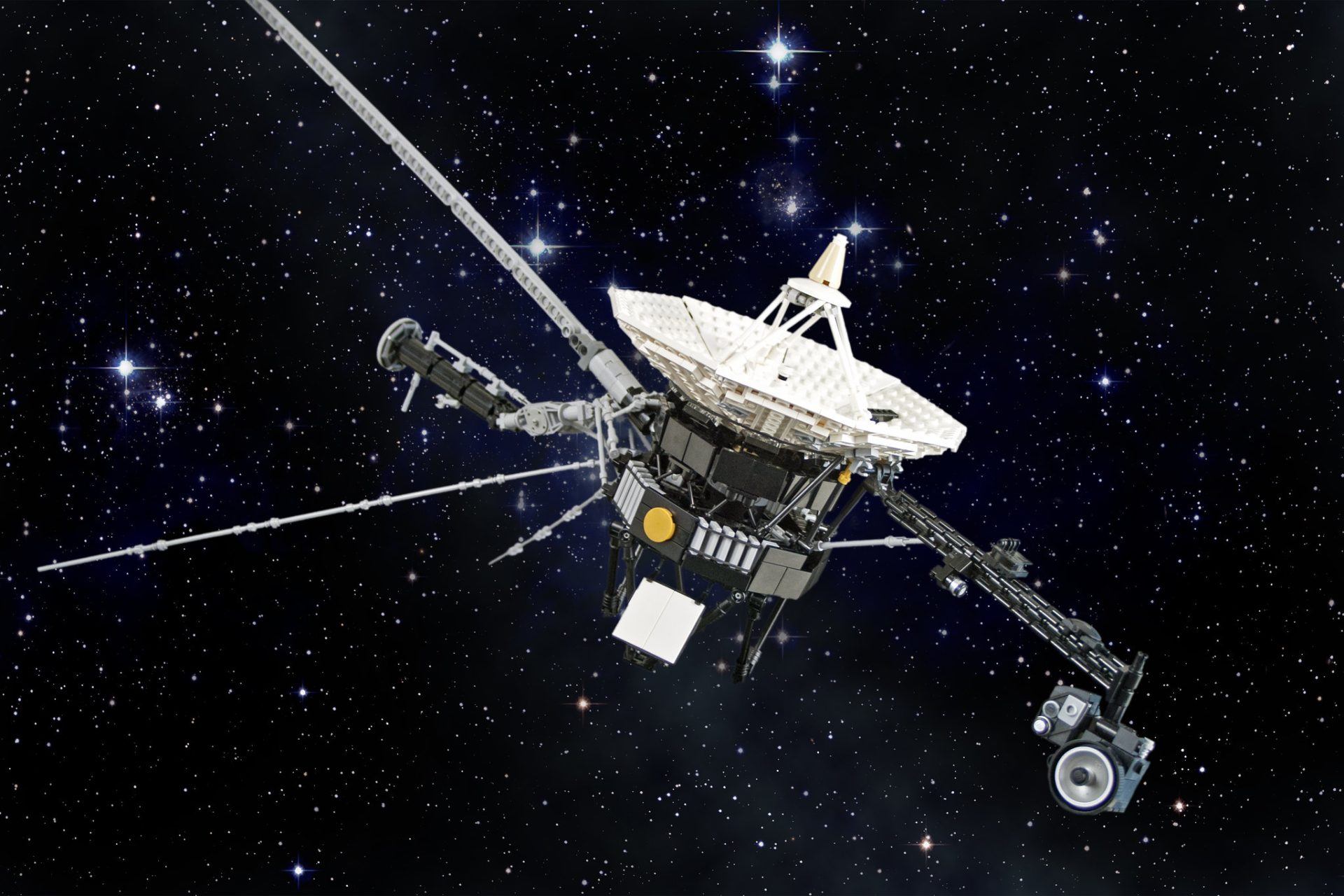
Voyager 2: NASA’s Interstellar Pioneer Continues Historic Mission After 48 Years
NASA’s Voyager 2 spacecraft has captured global attention as it approaches its 48th anniversary in space, marking nearly five decades of unprecedented exploration beyond our solar system. This week marks 48 years since the Sept. 5, 1977, launch of NASA’s Voyager 1 spacecraft, with Voyager 2 following shortly after, making them humanity’s interstellar trailblazers. Current Status: Voyager 2 in Interstellar Space Voyager 2 has reached “interstellar space” and continues its unique journey deeper into the cosmos. The spacecraft is currently operating in the region beyond the heliopause – the boundary where our Sun’s influence ends and interstellar space begins. Currently 20.5 billion kilometers (almost 138 times the distance from Earth to the Sun) away, the mission is now probing the realm outside of the heliosphere. Recent Mission Developments for Voyager 2 NASA has been making strategic decisions to extend Voyager 2’s operational lifespan. Voyager 2 will continue to operate its magnetic field and plasma wave instruments for the foreseeable future, with its cosmic ray subsystem scheduled to be shut off in 2026. These power conservation measures are critical as the spacecraft’s plutonium-powered systems gradually lose energy after decades in space. The space agency has already shut down several instruments to conserve power, including the Plasma Spectrometer in October 2024. In March, Voyager 2’s Low-Energy Charged Particle instrument will be the next to be powered down as part of NASA’s careful power management strategy. Voyager 2’s Unique Scientific Discoveries What makes Voyager 2 particularly special is its status as the only spacecraft to visit Uranus and Neptune. The probe made groundbreaking discoveries during its grand tour of the outer planets, including detailed observations of these ice giants that remain unmatched today. Recent analysis of Voyager 2 data continues to yield new insights. During the flyby, Voyager 2 discovered new moons and rings, but it also unveiled perplexing mysteries about energized particles around Uranus that defied scientists’ understanding. Scientists are still analyzing decades-old data from the mission, with new discoveries emerging regularly. Interstellar Discoveries Continue The spacecraft has made remarkable findings about the edge of our solar system. Voyager 2’s magnetic field instrument confirms a surprising result: The magnetic field in the region just beyond the heliopause is parallel to the magnetic field inside the heliosphere, providing crucial data about this mysterious boundary region. Future Outlook for Voyager 2 Despite the challenges of operating a 48-year-old spacecraft billions of miles from Earth, NASA remains optimistic about Voyager 2’s future. The Voyager team remains optimistic about keeping the two spacecraft operational long enough to celebrate their 50th anniversary in 2027. The mission represents humanity’s longest-running space exploration project, with both Voyager spacecraft continuing to transmit valuable scientific data about interstellar space. As Voyager 2 ventures deeper into the cosmos, it carries with it the famous Golden Record – a message from Earth to any potential extraterrestrial intelligence that might encounter the probe in the distant future. Why Voyager 2 Remains Relevant Today Voyager 2’s ongoing mission provides the only direct measurements of interstellar space from a human-made object. The data it continues to collect helps scientists understand the nature of the space between stars and how our solar system interacts with the broader galaxy. As we approach the 50th anniversary of the Voyager missions, Voyager 2 stands as a testament to human ingenuity and our drive to explore the unknown. The spacecraft continues its silent journey through interstellar space, sending back data that expands our understanding of the universe beyond our solar system. For the latest updates on Voyager 2 and its twin Voyager 1, visit NASA’s official Voyager mission page where real-time tracking and mission status are available.

T-Mobile Makes Major Moves: UScellular Acquisition and Network Expansion Drive Growth
The wireless industry is buzzing with T-Mobile developments this week, as the Un-carrier continues to reshape America’s mobile landscape through strategic acquisitions and network improvements. T-Mobile’s UScellular Deal Changes Everything T-Mobile recently completed its acquisition of UScellular on August 1st, 2025, providing updated customer and financial guidance that shows stronger core business performance and increased long-term synergy expectations. This massive deal positions T-Mobile as an even more dominant force in rural coverage areas where UScellular previously held strong market positions. The acquisition isn’t just about customer numbers—it’s about network expansion and enhanced service quality. T-Mobile expects approximately $2.6 billion in costs to achieve synergies, but the company plans to reinvest a portion of these savings toward enhancing consumer choice and competition in the wireless industry. Recent Service Disruptions Highlight Network Dependencies T-Mobile experienced connectivity issues for some subscribers on September 10, 2025, with reports surging around 2:33AM Eastern Time according to DownDetector’s live monitoring. These temporary outages remind customers how essential reliable wireless service has become in daily life. While service disruptions can be frustrating, T-Mobile has been investing heavily in network resilience and emergency preparedness capabilities, especially as natural disasters become more frequent. Partnership Changes Affecting Budget Carriers The T-Mobile ecosystem is also seeing shifts in its partnership landscape. Lyca Mobile is ending its partnership with T-Mobile, with new phone activations stopping on September 20, 2025. This change affects budget-conscious consumers who relied on Lyca’s affordable plans running on T-Mobile’s network infrastructure. For customers affected by this transition, T-Mobile offers various prepaid options and Metro by T-Mobile services that can provide similar value propositions. Innovation in Emergency Connectivity T-Mobile isn’t just growing through acquisitions—it’s pioneering new technologies. During National Preparedness Month this September, T-Mobile expanded its emergency response capabilities by growing its drone fleet and launching T-Satellite with Starlink technology. This satellite connectivity feature represents a significant leap forward in ensuring communication remains possible even when traditional cell towers are compromised during natural disasters. Stock Performance Reflects Strong Position Financial markets have responded positively to T-Mobile’s strategic moves. T-Mobile’s stock (TMUS) was trading at $252.76 with a market cap of approximately $283.7 billion as of September 5, 2025. This valuation reflects investor confidence in the company’s growth strategy and market positioning. What This Means for Consumers T-Mobile’s recent developments signal several important trends for wireless customers: Better Rural Coverage: The UScellular acquisition expands T-Mobile’s reach into previously underserved rural markets, offering more Americans access to 5G connectivity. Enhanced Emergency Services: New satellite capabilities mean T-Mobile customers may soon have communication options even in remote areas or during disasters. Competitive Pricing: With increased scale and efficiency, T-Mobile is positioned to offer more competitive unlimited plans and device promotions. Looking Forward As T-Mobile continues integrating UScellular’s assets and expanding its technological capabilities, customers can expect continued innovation in wireless services. The company’s focus on reinvesting synergies into consumer benefits suggests that competitive pressure will keep driving improvements across the industry. Whether you’re a current T-Mobile customer or considering a switch, these developments highlight why the Un-carrier remains at the forefront of America’s wireless evolution. Stay tuned for more updates as these strategic initiatives unfold throughout 2025.

Futemax: Your Ultimate Sports Streaming Platform in 2025
The digital sports streaming landscape has been revolutionized by platforms like Futemax, which has become a trending topic in recent hours as football fans worldwide search for reliable ways to watch their favorite matches online. Whether you’re looking for live football coverage, UFC fights, or NBA games, Futemax has emerged as a go-to destination for sports enthusiasts seeking high-quality streaming experiences. What Makes Futemax Stand Out in 2025? Futemax offers comprehensive sports coverage including football, UFC, and NBA games, all available for free to users across multiple platforms. The platform has gained significant traction recently, particularly with major matches like Brasil vs Chile being broadcast through the service, drawing millions of viewers to explore what Futemax has to offer. The platform’s appeal lies in its diverse content offerings. From live football matches to international tournaments, Futemax provides access to premium sports content that traditionally requires expensive subscriptions. The Futemax app specializes in live sports broadcasts with an intuitive interface and fast navigation, allowing users to follow matches in real time with HD image quality and clear sound. Key Features That Drive Futemax’s Popularity Multi-Platform Accessibility Futemax is compatible with smartphones, tablets, and TV boxes, making it incredibly versatile for users who want to watch sports content on various devices. This cross-platform compatibility has been crucial in establishing Futemax as a household name among sports streaming enthusiasts. HD Quality Streaming One of the primary reasons behind Futemax’s growing popularity is its commitment to providing high-definition streaming quality. Users can watch football live online in HD without buffering issues, which significantly enhances the viewing experience compared to other streaming alternatives. Comprehensive Sports Coverage Beyond football, Futemax has expanded its offerings to include various sports disciplines. The platform covers everything from local championships to international tournaments, making it a one-stop destination for sports fans with diverse interests. Recent Developments and Trending Topics The recent surge in Futemax searches can be attributed to several factors. Recent high-profile matches including World Cup qualifiers and international friendlies have been streamed through the platform, drawing significant attention from football communities worldwide. Additionally, the 2025 version of the Futemax app has introduced enhanced features for live matches, expert analysis, and immersive sports entertainment, which has contributed to renewed interest in the platform. Understanding the Futemax Ecosystem The Futemax brand operates through multiple domains and applications, each serving different regional markets and user preferences. Analytics show that various Futemax domains receive significant traffic, with some sites ranking high in Brazilian markets, indicating strong regional adoption. Users can access Futemax content through official websites, mobile applications, and various mirror sites that ensure continuous service availability even during high-traffic periods. Safety and Legal Considerations While Futemax offers attractive free streaming options, it’s important for users to understand the platform’s nature. Some sources indicate that Futemax retransmits games illegally and may expose users to security risks. Users should exercise caution and consider using official streaming services when possible. For those concerned about safety, it’s recommended to use reliable antivirus software and avoid clicking on suspicious advertisements that may appear on streaming sites. Future Outlook for Futemax As sports streaming continues to evolve, platforms like Futemax are likely to adapt to changing user demands and technological advances. The platform has gained a significant following among football fans globally and is considered one of the most comprehensive platforms for watching football online. The increasing trend toward mobile viewing and on-demand content consumption suggests that Futemax and similar platforms will continue to innovate their offerings to meet user expectations. Alternatives and Official Options While Futemax provides extensive coverage, users interested in legal alternatives should explore official broadcasting services, premium sports packages, and legitimate streaming platforms that offer licensed content with proper security measures and customer support. Conclusion Futemax represents a significant player in the sports streaming ecosystem, offering comprehensive coverage of football, UFC, NBA, and other sports disciplines. Its recent trending status reflects the growing demand for accessible sports content and the platform’s ability to deliver quality streaming experiences. Whether you’re a casual sports fan or a dedicated follower of specific teams and leagues, understanding what Futemax offers can help you make informed decisions about your sports viewing preferences. As the platform continues to evolve, it’s likely to remain a topic of interest in sports streaming discussions throughout 2025 and beyond. Stay updated with the latest sports streaming trends and make sure to prioritize safe browsing practices when exploring online streaming platforms.

AirPods Pro 3: Everything You Need to Know About Apple’s Game-Changing Earbuds
The buzz around airpods pro 3 has reached fever pitch as Apple’s highly anticipated September event approaches. With MacRumors reporting potential launch details and TechRadar providing live coverage, tech enthusiasts are eagerly awaiting what could be the most significant upgrade to Apple’s premium earbuds yet. AirPods Pro 3 Release Date: When Can You Get Them? Industry insiders and analysts are pointing to September 2025 as the most likely launch window for the airpods pro 3. Apple is preparing to launch the AirPods Pro 3 this year, with reports suggesting they could arrive as soon as this week at Apple’s “Awe dropping” event. This timing aligns perfectly with Apple’s traditional fall product launches, typically coinciding with the new iPhone announcements. The anticipation has been building for months, with Apple recently announcing September 9 as the date for its iPhone 17 event, which is important for AirPods users because Apple has historically introduced new AirPods models during its annual September event. Revolutionary Features Coming to AirPods Pro 3 Heart Rate Monitoring: A Health Game-Changer One of the most exciting rumored features of the airpods pro 3 is heart rate monitoring capability. Bloomberg’s Mark Gurman expects Apple to release new AirPods Pro this year with heart-rate monitoring as a key new feature. This addition would position the earbuds as serious health and fitness accessories, competing directly with dedicated fitness trackers. Enhanced Audio Performance with New H3 Chip The airpods pro 3 are expected to feature a revolutionary new chipset that promises significant improvements. AirPods Pro 3 will include a brand new H3 chip from Apple, with the H2 chip in AirPods Pro 2 having enabled regular firmware updates, and H3 expected to bring ongoing improvements. Audio enthusiasts will be pleased to know that Apple is working on a new chip for the AirPods Pro 3 that will result in improved sound quality and much better Active Noise Cancellation. Design Updates and New Case Beyond performance improvements, the airpods pro 3 are rumored to feature design refreshes. Reports claim that the AirPods Pro 3 will have a new design along with their case, better audio quality, a new chipset, and new health features with “the ability to get hearing data of some sort.” Should You Wait or Buy AirPods Pro 2 Now? This question has become increasingly relevant as the launch approaches. The potential September 2025 release of AirPods Pro 3 alongside the iPhone 17 lineup gives prospective AirPods buyers a dilemma: snap up the proven AirPods Pro 2 at today’s prices, or hold off for the next-generation model. However, some analysts suggest caution. Recent reports indicate that tomorrow’s potential AirPods Pro 3 announcement might be worth skipping, with recommendations to wait for what Apple has in store for 2026. Pricing Expectations for AirPods Pro 3 While official pricing hasn’t been announced, historical patterns suggest consistency. AirPods Pro have been priced at $249 since their 2019 debut, and this pricing is not expected to change. This maintains Apple’s strategy of keeping their premium earbuds accessible while introducing cutting-edge features. What Makes AirPods Pro 3 Different? Two-Phase Launch Strategy Interestingly, Apple is preparing to launch two versions of the AirPods Pro 3 over 2025 and 2026, according to recent reports. This suggests that while we may see initial airpods pro 3 models this year, more advanced versions with additional features could follow in 2026. Improved Noise Cancellation Limitations However, it’s important to manage expectations. Recent reports indicate that the AirPods Pro 3 won’t get ‘major’ audio or Active Noise Cancellation improvements. This suggests that while improvements are coming, they may be more incremental than revolutionary. The Competitive Landscape The airpods pro 3 enter a increasingly competitive market where audio quality, battery life, and smart features are becoming standard expectations. Apple’s focus on health monitoring and seamless ecosystem integration positions these earbuds as more than just audio devices – they’re becoming comprehensive wellness and productivity tools. Final Thoughts: Are AirPods Pro 3 Worth the Hype? The airpods pro 3 represent Apple’s continued evolution in the premium earbud space. With health monitoring, improved audio processing, and enhanced noise cancellation, they’re positioned to maintain Apple’s leadership in the wireless earbud market. For current AirPods Pro 2 users, the upgrade decision will likely depend on how much value you place on health monitoring features and incremental audio improvements. New buyers, however, will find the airpods pro 3 offer the most advanced feature set Apple has ever packed into earbuds. As we await official confirmation from Apple’s September event, one thing is certain: the airpods pro 3 will set new standards for what wireless earbuds can achieve in 2025 and beyond. Stay tuned for live coverage of Apple’s September 9 event where the AirPods Pro 3 are expected to make their official debut alongside the iPhone 17 series.

WhatsApp Security Whistleblower Lawsuit: Meta Endangered 3 Billion Users, Former Executive Claims
WhatsApp Security Whistleblower Lawsuit reveals Meta endangered 3 billion users. Former security chief exposes shocking data vulnerabilities and cover-ups. In a bombshell revelation that could reshape tech industry accountability, WhatsApp’s former head of security, Attaullah Baig, has filed a lawsuit against Meta, alleging that the social media giant retaliated against him for reporting critical security vulnerabilities that potentially compromised the data of billions of users worldwide. Breaking: Former Security Chief Exposes Massive Data Vulnerabilities Attaullah Baig, who served as WhatsApp’s head of security from 2021 to 2025, claims that approximately 1,500 engineers had unrestricted access to user data without proper oversight, creating unprecedented risks for the platform’s three billion global users. This WhatsApp security whistleblower lawsuit represents one of the most significant cybersecurity revelations in recent tech history. The timing of this WhatsApp security whistleblower lawsuit is particularly striking, coming at a moment when data privacy concerns dominate global regulatory discussions and users increasingly demand transparency from tech giants. Six Critical Security Failures That Shocked Executives According to court documents filed in Northern California District Court, Baig discovered systemic cybersecurity failures that posed serious risks to user data and violated Meta’s legal obligations under the 2020 Privacy Order and federal securities laws. The WhatsApp security whistleblower lawsuit outlines six devastating security issues: Complete failure to inventory user data across WhatsApp’s massive infrastructure Inability to locate and enumerate data storage, leaving sensitive information untracked Unrestricted access to user data for 1,500 software engineers without audit trails Zero access monitoring for user data, creating blind spots in security oversight Complete inability to detect data breaches, leaving users vulnerable to unknown compromises Failure to protect against account takeovers, with an alleged 100,000 incidents occurring daily These revelations in the WhatsApp security whistleblower lawsuit paint a picture of systemic negligence that could have exposed intimate conversations, business communications, and personal data of users across 190+ countries. Meta’s Response: Dismissing “Distorted Claims” Meta has predictably pushed back against the WhatsApp security whistleblower lawsuit, with WhatsApp VP of communications Carl Woog stating this represents “a familiar playbook in which a former employee is dismissed for poor performance and then goes public with distorted claims”. However, this dismissive response comes amid Meta’s troubled history with privacy violations, including massive fines from European regulators and ongoing FTC antitrust proceedings that concluded trials in May 2025. The Retaliation Campaign That Ended a Career The WhatsApp security whistleblower lawsuit details a systematic retaliation campaign against Baig after he raised concerns. In January 2024, Baig sent a letter directly to Meta CEO Mark Zuckerberg and General Counsel Jennifer Newstead, warning them of potential FTC and SEC violations and providing evidence that security teams had falsified reports to cover up data exfiltration risks. Rather than addressing these concerns, the lawsuit alleges that WhatsApp management began targeting Baig with negative performance reviews as a pretext for termination. WhatsApp sent Baig a notice of termination in February 2025, just months after he filed formal complaints with the SEC about WhatsApp’s security shortcomings. Regulatory Implications: Beyond Privacy Violations This WhatsApp security whistleblower lawsuit extends far beyond typical privacy concerns. Baig reported what he believed to be violations of the US Sarbanes-Oxley Act involving the failure to disclose security issues that represent potential acts of shareholder fraud, plus potential violations of US Securities and Exchange Commission rules. These allegations suggest that Meta’s security failures may have constituted securities fraud by withholding material information from investors about the company’s ability to protect user data and comply with regulatory requirements. Global Impact: 3 Billion Users at Risk The scope of this WhatsApp security whistleblower lawsuit cannot be overstated. With WhatsApp serving as the primary communication platform for billions of users worldwide, particularly in emerging markets where it’s often the de facto internet infrastructure, these security failures could have affected: Personal conversations and family communications Business transactions and financial information Political discussions in sensitive regions Healthcare communications and personal medical data Legal communications that should remain privileged The platform’s end-to-end encryption promises become meaningless if engineers can access user data without restrictions or audit trails. Industry-Wide Wake-Up Call This WhatsApp security whistleblower lawsuit arrives at a critical moment for the tech industry. With regulators worldwide scrutinizing big tech’s data practices and users demanding greater transparency, Baig’s allegations could catalyze industry-wide reforms. The case echoes previous high-profile whistleblower incidents, including Twitter’s security issues exposed by former security chief Peiter “Mudge” Zatko, suggesting a pattern of systemic security negligence across major platforms. What Comes Next: Legal and Regulatory Consequences The WhatsApp security whistleblower lawsuit faces an uncertain path, but its implications extend far beyond individual litigation. Potential consequences include: Enhanced FTC scrutiny of Meta’s compliance with existing privacy orders SEC investigation into potential securities violations and investor deception European regulatory action building on previous GDPR enforcement Congressional hearings examining tech platform security practices Industry-wide security audits to prevent similar vulnerabilities Conclusion: A Defining Moment for Tech Accountability As this WhatsApp security whistleblower lawsuit unfolds, it represents more than legal proceedings—it’s a referendum on whether tech giants can self-regulate their handling of sensitive user data. For the three billion WhatsApp users worldwide, Baig’s courage in coming forward may prove instrumental in securing the digital privacy protections they deserve. The tech industry now faces a critical choice: embrace genuine transparency and accountability, or continue defending practices that put user security at risk for the sake of operational convenience and growth metrics. This developing story will continue to evolve as legal proceedings advance and regulatory responses emerge. Stay informed about the latest developments in tech accountability and user privacy rights.

Meta Breaks New Ground: Major AI Hiring, AR Glasses Launch, and Goldman Sachs Conference Today
Meta Platforms (NASDAQ: META) continues dominating headlines as the tech giant makes strategic moves across multiple fronts. From poaching Apple’s top AI talent to preparing groundbreaking AR glasses, here’s everything trending about meta in the last 24 hours. Meta CFO Takes Center Stage at Goldman Sachs Conference Breaking today, Meta announced that Chief Financial Officer Susan Li will participate in the prestigious Goldman Sachs Communacopia and Technology Conference at 9:30 a.m. Pacific Time. This appearance signals meta‘s confidence in its financial trajectory and strategic vision for 2025. The timing couldn’t be more perfect for meta investors, as the company’s stock has already surged 26% in 2025, hitting new all-time highs above $738. Wall Street analysts are closely watching for updates on AI investments and revenue projections during Li’s presentation. Apple’s AI Robotics Expert Joins Meta’s Growing Talent Pool In a significant talent acquisition that’s shaking Silicon Valley, Meta successfully recruited Apple’s lead AI researcher for robotics, marking another major victory in the ongoing AI talent war. This strategic hire demonstrates meta‘s commitment to advancing its artificial intelligence capabilities across multiple domains. The move comes as Meta AI approaches the remarkable milestone of 1 billion monthly active users, according to recent quarterly results. This acquisition strengthens meta‘s position in developing next-generation AI applications for both virtual reality and augmented reality platforms. Meta Connect 2025: AR Glasses Revolution Approaches Tech enthusiasts are buzzing about Meta’s upcoming Hypernova AR glasses, expected to launch at Meta Connect on September 17, 2025. Priced at $799, these premium AR glasses will feature the first integrated display in meta‘s smart eyewear lineup. The Hypernova project represents meta‘s bold vision for mainstream augmented reality adoption. Unlike previous smart glasses collaborations with Ray-Ban, these devices will offer full AR capabilities, potentially revolutionizing how users interact with digital content in the physical world. Key Features Expected: Integrated high-resolution displays Advanced AI processing capabilities Seamless social media integration Professional and consumer applications Meta Stock Soars on AI Investment Strategy Financial analysts are bullish on Meta’s trajectory, with the stock riding a powerful upward trend throughout 2025. The company’s strategic pivot toward artificial intelligence and augmented reality is paying dividends, both literally and figuratively for investors. Meta‘s Q2 2025 results showcased impressive growth metrics: Revenue increased 22% to $47.5 billion Operating margin expanded to 43% Income from operations jumped 38% to $20.4 billion Latest Meta AI and Content Updates The social media giant recently published its Community Standards Enforcement Report, providing transparency about content moderation efforts across Facebook, Instagram, and Threads. These insights reveal meta‘s ongoing commitment to platform safety and user experience. Additionally, meta introduced new advertising features at NewFronts 2025, including enhanced creator collaboration tools and video advertising capabilities for Threads. These updates position meta platforms as increasingly attractive destinations for brands and content creators. Looking Ahead: Meta’s Vision for Personal Superintelligence Mark Zuckerberg’s ambitious goal of bringing “personal superintelligence to everyone” continues driving meta‘s product development roadmap. The company’s investments in AI research, AR technology, and platform improvements reflect this comprehensive vision for the future of digital interaction. As meta prepares for Meta Connect 2025, industry experts anticipate significant announcements about: Advanced AI capabilities integration Expanded metaverse experiences New developer tools and APIs Enterprise solutions for businesses The convergence of these developments makes meta one of the most closely watched technology stocks heading into the final quarter of 2025. With today’s Goldman Sachs conference presentation and the upcoming Connect event, meta is positioned to capture investor and consumer attention simultaneously. Stay updated on the latest Meta developments by following their official newsroom and investor relations pages.

Canon C50: The Revolutionary Compact Cinema Camera Taking the Film Industry by Storm
The cinema world is buzzing with excitement as Canon officially unveils the Canon C50, their most compact and lightweight cinema camera to date. Announced just ahead of IBC 2025, the Canon C50 represents a significant leap forward in professional filmmaking technology, positioning itself as the spiritual successor to the beloved Canon R5C. What Makes the Canon C50 a Game-Changer? The Canon C50 isn’t just another camera release – it’s a paradigm shift in how filmmakers approach professional video production. This hybrid cinema camera delivers impressive 7K RAW recording, 4K 120p capabilities, and high-quality stills capture, all packed into a remarkably compact body. Key Specifications That Matter The Canon C50 features a brand-new 32MP full-frame sensor capable of 7K 60p recording, setting new standards for image quality in its class. The camera’s innovative design focuses on portability without compromising professional-grade features that cinematographers demand. Technical Highlights: 7K full-frame recording in 3:2 open gate mode Internal RAW recording capabilities 120 fps slow motion recording and dual memory card slots Compact, lightweight form factor Professional Cinema EOS system integration Canon C50 vs. The Competition: Why It Stands Out Canon’s approach with the C50 extends beyond simply matching Sony’s FX3 on technical specifications – it’s about establishing a new benchmark in the compact cinema camera market. The camera strikes an optimal balance between professional functionality and user-friendly operation, making it accessible to both seasoned professionals and emerging filmmakers. Target Audience and Market Position The Canon C50 is strategically positioned for small-to-mid-size professional production houses and studios, similar to the Canon EOS C80, rather than targeting general consumers. This positioning makes it an ideal choice for: Independent filmmakers seeking professional quality Content creators requiring cinema-grade footage Production companies needing portable, versatile equipment Documentary filmmakers working in challenging environments Pricing and Availability: When You Can Get Your Hands on One Budget-conscious filmmakers will appreciate the Canon C50’s competitive pricing strategy. The camera will be available from November 2025, priced at approximately $3,899 (£3,359.99 / €3,899.99), making professional cinema quality more accessible than ever. The timing couldn’t be better, as Canon’s strategic pricing coincides with significant price drops on the R5C, suggesting a deliberate market repositioning to make room for this exciting new addition to their cinema lineup. Industry Impact: What This Means for Filmmakers The Canon C50 arrives at a crucial moment in the film industry’s evolution. As content creation continues to expand across platforms, the demand for high-quality, portable cinema cameras has never been higher. This camera addresses several key industry pain points: Professional Quality in Compact Form: The ability to achieve cinema-grade results without bulky equipment opens new possibilities for location shooting and guerrilla filmmaking techniques. Workflow Integration: Canon will showcase the camera at IBC 2025 with hands-on demonstrations, highlighting its seamless integration with existing professional workflows. Future-Proof Investment: The 7K recording capability ensures footage remains relevant as display technologies continue advancing toward higher resolutions. Early Reception and Industry Buzz The filmmaking community’s response to the Canon C50 announcement has been overwhelmingly positive. Industry experts are already comparing it favorably to the R5C, with many considering it the successor filmmakers have been eagerly awaiting. Professional cinematographers appreciate Canon’s focus on practical functionality over marketing gimmicks, with the camera’s feature set clearly designed based on real-world shooting requirements rather than specification sheet competition. Looking Ahead: The Future of Compact Cinema The Canon C50 represents more than just a new product launch – it signals a broader industry trend toward democratizing high-end filmmaking tools. By combining professional-grade capabilities with accessible pricing and compact design, Canon is helping to lower barriers for emerging filmmakers while providing established professionals with powerful new creative tools. As we approach the November 2025 release date, the Canon C50 stands poised to reshape expectations for what’s possible in a compact cinema camera. Whether you’re an independent filmmaker, content creator, or production professional, this innovative camera deserves serious consideration for your next project. For the latest updates on the Canon C50 and hands-on demonstrations, Canon’s official product page will provide comprehensive information as the release date approaches. The cinema world is watching closely, and early indications suggest the Canon C50 will exceed expectations when it finally reaches filmmakers’ hands this November. Stay updated with the latest camera news and reviews by following our coverage of IBC 2025 and other major industry events. The Canon C50 is just the beginning of what promises to be an exciting year for professional filmmaking technology.