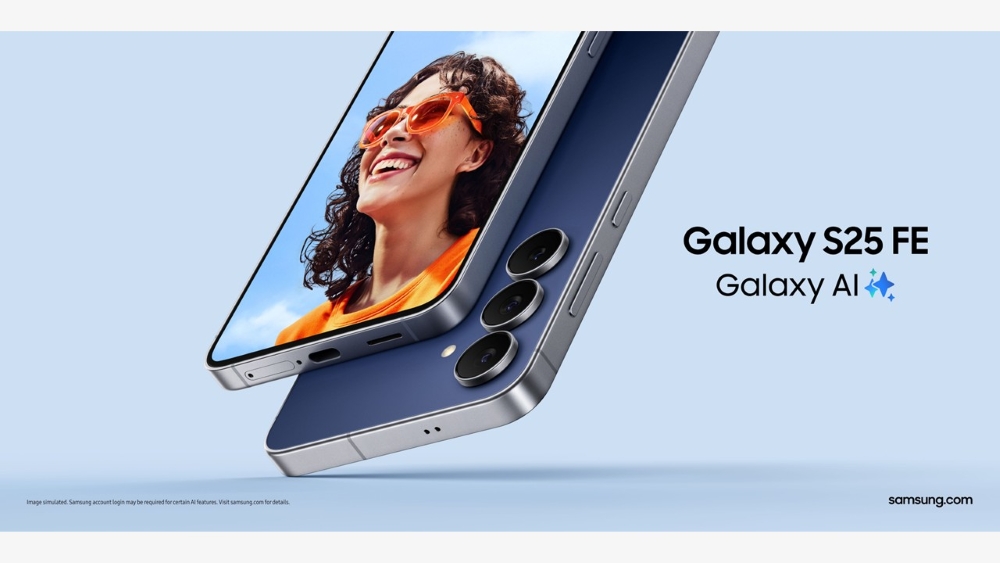
Samsung Galaxy S25 FE The Samsung S25 FE has officially launched on September 4, 2025, bringing flagship-level features at an accessible price point. This comprehensive guide covers everything you need to know about the latest addition to Samsung’s popular Fan Edition series. Samsung S25 FE Launch and Availability The Galaxy S25 FE is available today, September 4, starting at $649.99 in select markets worldwide. Unlike previous Samsung launches, the S25 FE skipped pre-orders and launched immediately, allowing consumers to purchase the device right away. The Samsung S25 FE is rolling out globally, with Samsung Galaxy S25 FE and Galaxy Tab S11 Series powered by One UI 8 and Galaxy AI coming to the Philippines soon. The device is available through major carriers including AT&T, Verizon, and T-Mobile, with promotional offers expected across all platforms. Samsung S25 FE Specifications and Features Display and Design The Samsung S25 FE features a 6.7-inch Dynamic AMOLED 2X display with FHD+ resolution and a 120 Hz refresh rate. The device maintains Samsung’s signature flat design philosophy with premium materials throughout. The Galaxy S25 FE feels nicer in the hand than its predecessor, thanks to refinements in build quality and a lighter construction. Samsung managed to reduce the weight by 23 grams while actually increasing the battery capacity, demonstrating impressive engineering improvements. Processor and Performance Under the hood, it runs on the Exynos 2400 processor paired with 8GB of RAM and up to 512GB of storage. This chipset ensures smooth performance for everyday tasks and demanding applications alike. Camera System The Samsung S25 FE maintains the triple camera setup that users expect from the Fan Edition series, optimized with AI-powered features for enhanced photography capabilities. Battery and Charging The Galaxy S25 FE packs a 4,900 mAh battery with 45W fast charging support, providing all-day battery life with rapid charging when needed. This represents a significant improvement over previous models in both capacity and charging speed. Software Experience The Galaxy S25 FE runs Android 16 with One UI 8 out of the box, offering the latest Android experience with Samsung’s refined interface. The device supports advanced Galaxy AI features including Audio Eraser and Now Brief functionality. Samsung S25 FE Pricing and Storage Options The Samsung S25 FE starts at $649.99 for the base model, positioning it as an affordable entry point into Samsung’s flagship ecosystem. In India, the Samsung Galaxy S25 FE price is set at ₹62,999, making it competitively priced in international markets. Storage configurations include: 128GB base model 256GB mid-tier option 512GB premium variant However, the top Samsung Galaxy S25 FE version isn’t available in the US, limiting American consumers to lower storage tiers. Color Options and Design Buyers can choose from colors like Icy Blue, Jet Black, Navy, and White, providing options to match personal style preferences. The device maintains IP68 water resistance for durability in various conditions. AI Features and Google Integration A standout feature of the Samsung S25 FE is its AI integration. The device comes with six months of free access to the Google AI Pro plan, with access to features in Gemini, Flow, NotebookLM, and more. This partnership enhances productivity and user experience through advanced AI capabilities. The S25 FE also includes Google Gemini (including Gemini Live), Circle to Search and users get 6-months free Google AI Pro for access to features like NotebookLM and Flow, making it particularly attractive for users interested in cutting-edge AI functionality. Long-term Software Support Samsung continues its commitment to long-term device support with the Samsung S25 FE. The phone gets Samsung’s excellent seven-year promise for OS updates and security patches, ensuring the device remains secure and up-to-date throughout its lifespan. Market Position and Competition The Samsung S25 FE fills the gap between Samsung’s premium flagship S25 series and more affordable mid-range options. Like the current Galaxy S24 FE, the Galaxy S25 FE would offer a lot of the same features as the Galaxy S25 lineup, scaling back on some features in exchange for a lower starting price. Where to Buy the Samsung S25 FE The Samsung S25 FE is available through: Samsung’s official website and stores Major wireless carriers (AT&T, Verizon, T-Mobile) Electronics retailers nationwide International markets with regional pricing For the most current availability and pricing information, visit Samsung’s official website or check with your preferred retailer. Conclusion: Samsung Galaxy S25 FE The Samsung S25 FE represents excellent value in Samsung’s 2025 smartphone lineup. With flagship-level features, competitive pricing starting at $649.99, advanced AI integration, and Samsung’s industry-leading software support commitment, the Samsung S25 FE positions itself as a compelling choice for consumers seeking premium Android experience without flagship pricing. Whether you’re upgrading from an older device or entering Samsung’s ecosystem for the first time, the Samsung S25 FE offers the perfect balance of features, performance, and value that has made the Fan Edition series so popular among tech enthusiasts worldwide.
Tecno Pova Slim 5G: World’s Slimmest Smartphone Revolutionizes Mobile Design in 2025
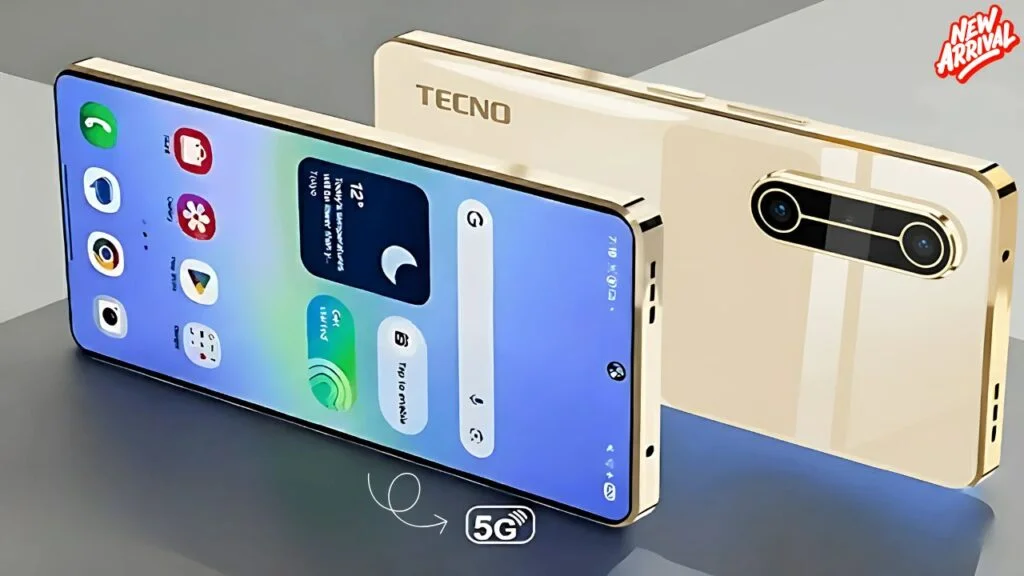
The tecno pova slim has officially launched in India, marking a groundbreaking achievement in smartphone engineering. This revolutionary device, announced in September 2025, claims the title of “world’s slimmest 3D curved 5G smartphone” with an incredible thickness of just 5.95mm. Why the Tecno Pova Slim is Trending Right Now TECNO Mobile India launched the POVA Slim 5G on September 4, 2025, introducing what they call “the world’s slimmest smartphone”. The device has captured global attention for its unprecedented ultra-slim design combined with flagship-level specifications, making it a game-changer in the premium smartphone segment. Tecno Pova Slim: Specifications That Impress The tecno pova slim doesn’t compromise on performance despite its razor-thin profile. Here are the standout features driving its popularity: Display Excellence The device features a stunning 6.78-inch curved AMOLED screen with 2720 x 1224 pixel resolution, 144Hz refresh rate, and an impressive 4,500 nits peak brightness. This makes it perfect for gaming, streaming, and professional use. Powerful Performance Powered by the MediaTek Dimensity 6400 chipset with 5G support, the Pova Slim delivers flagship-level performance for gaming and heavy multitasking. The device comes with 8GB RAM and 256GB storage, ensuring smooth operations across all applications. Battery and Charging Innovation Despite its slim profile, the tecno pova slim packs a substantial 5,160 mAh battery with 45W fast charging and 10W reverse wired charging capabilities. This addresses one of the biggest concerns with ultra-slim smartphones – battery life. Tecno Pova Slim Price and Availability The Tecno Pova Slim 5G is priced competitively at ₹19,999 in India, making it accessible to a broader audience despite its premium features. The smartphone is available in three attractive color options: Black, Blue, and White. For those interested in purchasing, you can check availability on major e-commerce platforms like Amazon India and Flipkart, as well as official TECNO retail stores. What Makes the Tecno Pova Slim Special World’s Slimmest Design At just 5.95mm thickness, the Pova Slim stands as an engineering marvel, slightly thicker than its sibling Tecno Spark Slim at 5.93mm. This ultra-slim profile doesn’t sacrifice build quality, featuring Corning Gorilla Glass 7i protection. AI-Powered Features The device comes equipped with Ella AI support, bringing intelligent assistance and enhanced user experience to daily smartphone usage. This positions the tecno pova slim as a forward-thinking device in the AI smartphone revolution. Unique Camera Setup Both the Spark Slim and Pova Slim feature a 50MP main camera system, designed to compete with established players in the photography space. The camera system includes animated blinking effects, adding personality to the device. Tecno Pova Slim vs Competition In the competitive smartphone market, the tecno pova slim stands out against devices like the CMF Phone 2 Pro and Oppo K13 5G in the same price range. Its unique selling proposition lies in the combination of: Ultra-slim design (5.95mm) Large 5,160 mAh battery 144Hz AMOLED curved display 5G connectivity Competitive ₹19,999 pricing Technical Specifications Summary Feature Specification Display 6.78″ AMOLED, 2720×1224, 144Hz Processor MediaTek Dimensity 6400 RAM/Storage 8GB/256GB Battery 5,160 mAh, 45W charging Thickness 5.95mm OS Android with HiOS Camera 50MP main camera Connectivity 5G, Wi-Fi, Bluetooth Should You Buy the Tecno Pova Slim? The tecno pova slim represents excellent value for users seeking: Premium design aesthetics Solid performance for daily use Long battery life 5G connectivity Competitive pricing under ₹20,000 For comparison shopping, you might also consider checking out reviews on GSMArena or 91Mobiles for detailed specifications and user feedback. Conclusion The Tecno Pova Slim 5G has rightfully earned its trending status by delivering an unprecedented combination of ultra-slim design and flagship features. As the world’s slimmest smartphone with a substantial battery and premium display, it sets a new benchmark for mobile design innovation in 2025. Whether you’re a tech enthusiast, mobile gamer, or someone who values sleek design, the tecno pova slim offers compelling reasons to consider it as your next smartphone upgrade. With its September 2025 launch creating significant buzz in the mobile industry, this device is positioned to capture substantial market share in the premium mid-range segment.
Tesla Share Price Surges Amid Musk’s Trillion-Dollar Pay Package Proposal
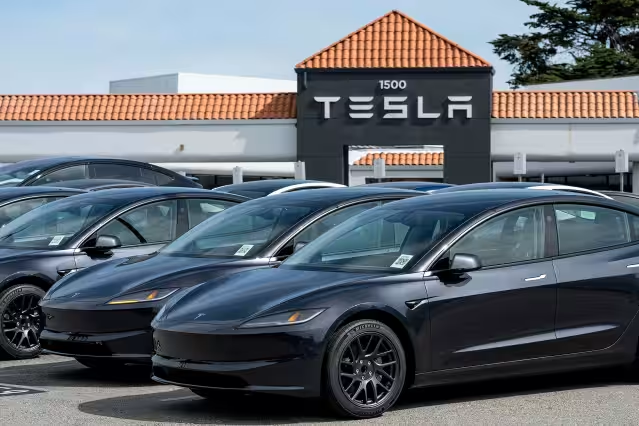
Current Tesla Share Price Performance The tesla share price has experienced notable volatility in the past 24 hours, with TSLA trading at $350.84, marking a 3.64% increase according to recent market data. This uptick comes as investors digest news of Tesla’s unprecedented compensation proposal for CEO Elon Musk. Breaking News: Tesla’s $1 Trillion Compensation Plan Shakes Markets Tesla unveiled a new pay package Friday that could award Musk up to 423.7 million additional shares over the next decade, with shares rising 1.9% in early trading. This massive compensation structure has captured investor attention and contributed to recent tesla share price movements. The proposed package represents one of the largest executive compensation deals in corporate history, with potential shares worth $148.7 billion at Friday’s closing price. Market analysts are closely monitoring how this development will impact long-term tesla share price trajectories. Tesla Share Price Technical Analysis Current market indicators show: Daily Range: $344.68 to $355.87 52-Week Range: $212.11 to $488.54 Analyst Price Target: Average 12-month target of $310.53, representing a potential 12.97% downside The tesla share price remains within its established trading range, though shares are down 14-24% year-to-date in 2025, underperforming the broader market’s double-digit gains. Market Sentiment and Analyst Outlook Professional analysts maintain mixed views on the tesla share price outlook. 19 analysts recommend buying the stock, while 9 suggest holding, indicating cautious optimism despite recent challenges. Key factors influencing tesla share price sentiment include: EV Market Share Concerns: Tesla’s U.S. EV market share fell to 38% in August, its lowest since 2017 Competitive Pressure: Increasing competition from traditional automakers and new EV startups Regulatory Environment: Ongoing discussions about EV incentives and regulations Investment Considerations for Tesla Share Price For investors monitoring the tesla share price, several critical factors deserve attention: Growth Prospects: Despite near-term challenges, Tesla continues expanding its global manufacturing footprint and developing autonomous driving technology. Valuation Metrics: The current tesla share price reflects both growth expectations and market uncertainties around execution risks. Market Volatility: Tesla’s stock historically exhibits higher volatility than traditional automotive stocks, making it suitable for risk-tolerant investors. Tesla Share Price Forecast and Predictions Looking ahead, the tesla share price faces several catalysts: Upcoming earnings report scheduled for October 21, 2025 Autonomous driving technology developments Global EV market expansion Energy storage business growth Tesla’s market capitalization would need to reach $8.5 trillion to fully unlock Musk’s compensation package, representing massive growth requirements that could drive long-term tesla share price appreciation if achieved. Conclusion: Tesla Share Price Outlook The tesla share price continues reflecting the company’s position at the intersection of automotive innovation and sustainable energy. While recent performance has lagged broader markets, Tesla’s long-term growth prospects in electric vehicles, autonomous driving, and energy storage maintain investor interest. Investors considering Tesla should carefully evaluate their risk tolerance, given the stock’s volatility and the ambitious targets embedded in current valuations. The tesla share price will likely remain sensitive to execution on key initiatives, competitive dynamics, and broader EV market trends. For the latest tesla share price updates and real-time market data, visit Yahoo Finance, CNBC Markets, or NASDAQ. Always consult with financial advisors before making investment decisions.

Top Video Conferencing Alternatives for 2025: Best Platforms Beyond Zoom
Top Video Conferencing Alternatives for 2025 As remote work continues to dominate the professional landscape, finding the right video conferencing alternatives has become crucial for businesses of all sizes. While Zoom remains popular, the rise of platforms like Microsoft Teams and Google Meet isn’t just about convenience, it’s about transformation. Whether you’re looking for enhanced security, better integration capabilities, or cost-effective solutions, there are numerous compelling alternatives worth considering. Why Consider Video Conferencing Alternatives? The demand for diverse video conferencing solutions stems from evolving business needs. Most companies have embraced the new hybrid workstyle without major issues, with workers demonstrating they are as productive at home as they were in their cubicles. However, different organizations require different features, pricing models, and security levels. Top Video Conferencing Alternatives in 2025 1. Microsoft Teams Platforms like Microsoft Teams excel in workplace collaboration, making it a standout choice for organizations already using Microsoft 365. Microsoft Teams provides the full range of features expected from a leading video conferencing software provider, including screen sharing and call recording, live captions, background blur technology, and chat functionalities. Key Features: Seamless Office 365 integration Advanced collaboration tools Enterprise-grade security Virtual meeting spaces with immersive features 2. Google Meet For organizations heavily invested in the Google ecosystem, Google Meet offers excellent integration and reliability. Google has improved its platform’s sound and video quality and reduced the amount of noise within it to remain competitive. Key Benefits: Direct integration with Google Workspace High-quality audio and video Easy accessibility through web browsers Free tier available for basic use 3. Cisco Webex Cisco Webex is a video conferencing platform designed for enterprises that prioritize security, compliance, and advanced collaboration features. It supports everything from small team meetings to large-scale virtual events and integrates well with enterprise IT systems. Standout Features: Military-grade security Advanced compliance capabilities Scalable from small meetings to large events Robust enterprise integration 4. RingCentral Video RingCentral Video offers one of the most comprehensive and flexible video collaboration solutions on the market. It goes beyond basic video conferencing to provide a scalable platform that adapts to various business needs. Notable Advantages: Comprehensive unified communications Flexible scalability options Advanced analytics and reporting Multi-device compatibility 5. Zoho Meeting Zoho Meeting stands out as a secure alternative for sensitive data and compliance, making it particularly suitable for industries with strict privacy requirements. Core Strengths: Enhanced security protocols Compliance-focused features Integration with Zoho ecosystem Cost-effective pricing Emerging Trends Shaping Video Conferencing Alternatives AI-Powered Features Artificial Intelligence and Machine Learning are a new technology trend in video conferencing helping to make better sounding and visually appealing video conferences. A recent study of Zoom users found that 73% predicted AI would be beneficial for video conferencing applications. Enhanced User Experience Essential tools for your video conferencing app should include screen sharing, real-time transcription, virtual backgrounds, and AI-powered features. These features are becoming standard expectations rather than premium add-ons. Specialized Solutions For casual or community-driven communication, Discord provides a unique, always-on experience, demonstrating how video conferencing alternatives are adapting to specific use cases and communities. How to Choose the Right Video Conferencing Alternative When evaluating video conferencing alternatives, consider these critical factors: Technical Compatibility Does your team generally utilize Chrome? Or do many virtual meetings take place on iOS devices? Certain tools will be ruled out, while others will be recommended. Security Requirements Some of the best secure video conferencing solutions are Zoom, Microsoft Teams, Cisco Webex, Zoho Meeting, and GoToMeeting. Budget Considerations Many platforms offer free tiers alongside premium features, allowing organizations to start small and scale as needed. Integration Needs Consider how well the platform integrates with your existing tools and workflows. Free Video Conferencing Alternatives Budget-conscious organizations have several excellent options. You can host a meeting for up to 60 minutes with a free Google Meet account, making it an attractive starting point for small teams or startups. Industry-Specific Solutions Different industries benefit from specialized video conferencing alternatives. No matter what you do—whether it’s education, e-commerce, or something else—there’s a video conferencing solution out there for you. The Future of Video Conferencing Alternatives Zoom is slowly becoming more than just a video conferencing app. With the release of features like Docs, Email, and Team Chat, it’s evolving into more of an all-in-one workspace app. So what constitutes a video conferencing alternative will likely continue to shift. Making the Switch: Implementation Tips When transitioning to new video conferencing alternatives: Test Multiple Platforms: Your best bet to finding the right alternative is to test a few from this list—most offer free plans—and pick the one that meets your needs. Consider Team Size: The ideal solution varies based on whether you’re managing small team meetings or large-scale virtual events. Evaluate Integration Requirements: Assess how the new platform will work with your existing technology stack. Plan for Training: Ensure your team receives adequate training on the new platform’s features and capabilities. Conclusion The landscape of video conferencing alternatives continues to expand and evolve, offering organizations more choices than ever before. From enterprise-grade security solutions like Cisco Webex to cost-effective options like Google Meet, there’s a platform suited for every business need and budget. A decent video conferencing system should allow you to manage an efficient meeting rather than simply talking to someone. By carefully evaluating your organization’s specific requirements and testing multiple platforms, you can find the perfect video conferencing alternative that enhances productivity and collaboration. Whether you prioritize security, integration capabilities, cost-effectiveness, or advanced features, the current market offers robust video conferencing alternatives that can transform how your team communicates and collaborates in 2025 and beyond. Looking for more insights on digital collaboration tools? Explore our comprehensive guides on remote work productivity, hybrid meeting strategies, and team collaboration software.

Google Meet Down: Major Outage Disrupts Thousands of Users on September 8, 2025
Google Meet is experiencing significant service disruptions today, with thousands of users worldwide reporting connectivity issues and inability to join video conferences. What’s Happening with Google Meet Down Today? Google Meet is reportedly down for some users on September 8, 2025, with nearly 10,000 reports flooding in as the service suffers major disruption. The volume of user reports surged around 1:39 PM Eastern Time according to outage tracking services. The widespread google meet down issues have affected users across multiple regions, causing significant disruption to business meetings, educational sessions, and personal video calls scheduled for today. Real-Time Google Meet Status Updates Multiple outage monitoring platforms are tracking the current situation: DownDetector: Check Google Meet Status StatusGator: Live Google Meet Monitoring Google Workspace Dashboard: Official Status Page Google has acknowledged the disruption affecting its video-communication service and stated that the issue has subsided after impacting thousands of users in the U.S. earlier in the day. Common Symptoms When Google Meet Down Users experiencing the outage are reporting: Unable to join scheduled meetings Connection timeout errors Video and audio quality issues Meeting rooms failing to load Authentication problems App crashes on mobile devices How to Check if Google Meet Down in Your Area Quick Status Check Methods: Visit Official Sources: Google Workspace Status Dashboard Google Meet Help Center Third-Party Monitoring Tools: DownDetector Google Meet IsItDownRightNow Social Media Updates: Twitter/X: Search “#GoogleMeetDown” Google Workspace Status Twitter What to Do When Google Meet Down Immediate Solutions: For Meeting Organizers: Switch to alternative platforms (Zoom, Microsoft Teams, Discord) Reschedule meetings if possible Notify attendees via email or messaging apps For Meeting Attendees: Clear browser cache and cookies Try different browsers (Chrome, Firefox, Safari) Restart the Google Meet mobile app Check your internet connection Troubleshooting Steps: Browser Issues: Clear cache, disable extensions, try incognito mode Network Problems: Restart router, check firewall settings App Problems: Update Google Meet app, restart device Account Issues: Sign out and back into Google account Alternative Video Conferencing Solutions While google meet down issues persist, consider these reliable alternatives: Zoom – Download Here Microsoft Teams – Access Online Skype – Web Version Discord – Voice Channels Cisco Webex – Try Free Google Meet Down: Impact on Businesses The outage significantly affects: Remote work productivity Educational institutions conducting online classes Healthcare providers using telehealth services Customer service departments International business communications Prevention Tips for Future Outages Best Practices: Have backup communication tools ready Save important meeting recordings locally Keep alternative meeting links handy Subscribe to Google Workspace status updates Test connections before important meetings Historical Google Meet Outages Google Meet’s last major outage was on July 02, 2025, when the engineering team investigated intermittent issues that began at 11:49 PDT. Today’s outage appears to be more widespread, affecting a larger user base. When Will Google Meet Be Back Up? Google typically resolves major outages within 2-6 hours. For real-time updates on the google meet down situation: Monitor the Google Workspace Status Page Follow @GoogleWorkspace on Twitter Check this page for continued updates Conclusion The current google meet down situation on September 8, 2025, highlights the importance of having backup communication solutions. While Google works to resolve these issues, users should consider alternative platforms to maintain productivity and connectivity. Stay Updated: Bookmark this page and check the official Google Workspace status dashboard for the latest information on service restoration. Last Updated: September 8, 2025 | Check back for real-time updates on Google Meet service status

MDA Space Loses $1.3 Billion EchoStar Contract as SpaceX Seals $17 Billion Spectrum Deal
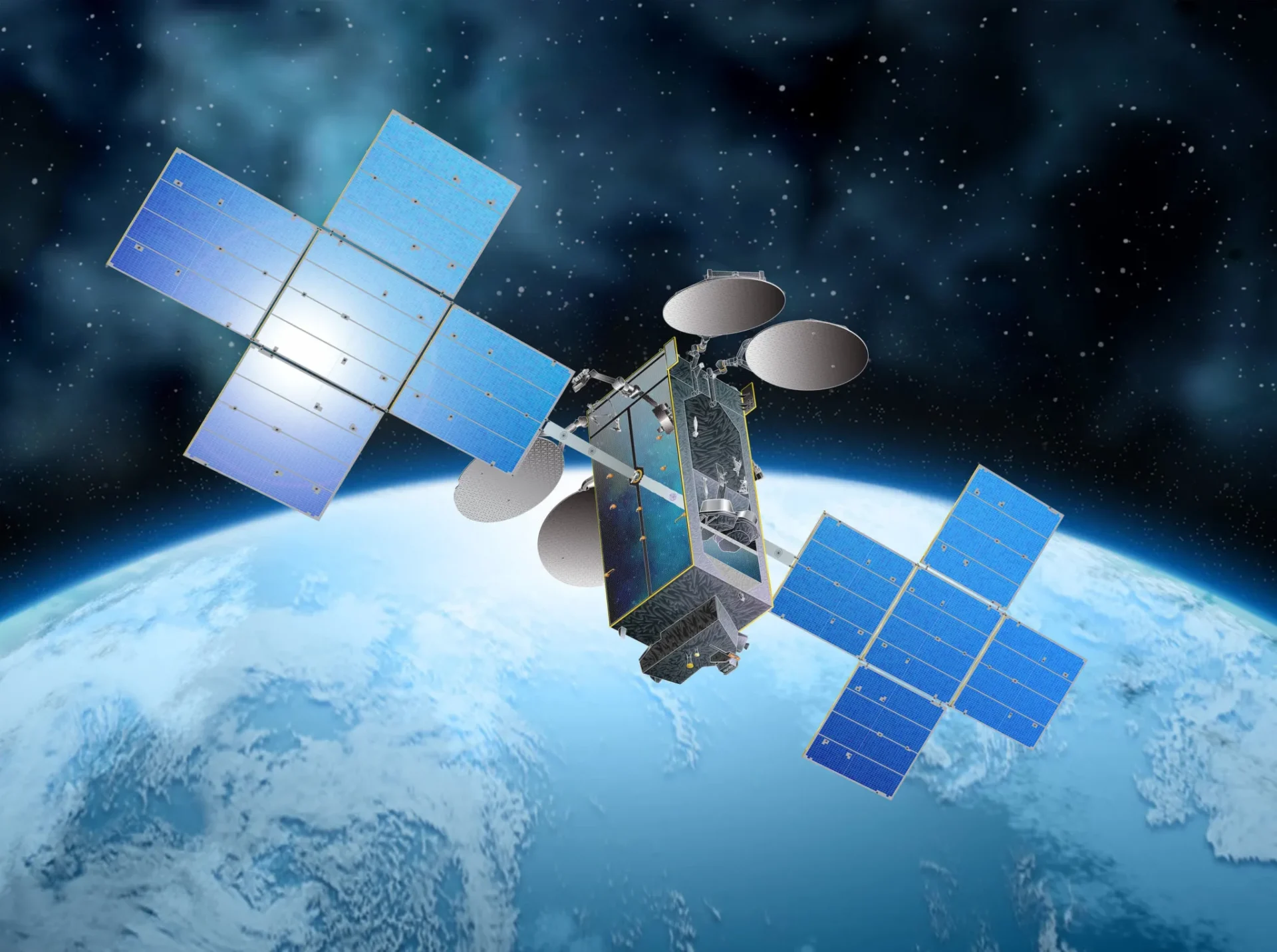
Major Industry Shakeup Sends MDA Space Shares Tumbling In a stunning turn of events that has rocked the satellite industry today, MDA Space Ltd. (TSX: MDA) received termination notice from EchoStar Corporation for their recently announced $1.3 billion satellite constellation contract. The cancellation comes as a direct result of SpaceX’s blockbuster $17 billion acquisition of EchoStar’s wireless spectrum licenses. The $17 Billion SpaceX-EchoStar Deal That Changed Everything Elon Musk’s SpaceX announced Monday it will acquire wireless spectrum licenses from EchoStar for approximately $17 billion, with $8.5 billion in cash and $8.5 billion in SpaceX stock. This massive transaction focuses on AWS-4 and H-block spectrum licenses that will supercharge SpaceX’s Starlink Direct-to-Cell capabilities. The spectrum acquisition allows SpaceX to offer direct-to-device Starlink services on its own frequencies rather than relying on leased spectrum from other providers. This strategic move positions SpaceX to dominate the emerging direct-to-phone satellite connectivity market. MDA Space Contract Details and Immediate Impact EchoStar had awarded MDA Space a contract worth $1.3 billion on August 1 for 100 satellites, to be delivered by 2028, with an additional $1.2 billion option for 100 more satellites. The contract was for EchoStar’s ambitious Open RAN broadband non-terrestrial network (NTN) LEO constellation featuring MDA’s AURORA™ D2D satellites. Stock Market Reaction Shares of MDA Space Ltd. fell sharply Monday as the high-tech manufacturer lost the recently announced contract with EchoStar Corp. The termination caught investors off guard, leading to significant trading volatility in MDA Space stock. Why EchoStar Terminated the MDA Space Contract The contract termination stems directly from EchoStar’s strategic pivot following the SpaceX deal. As part of the spectrum sale to SpaceX, EchoStar has terminated its contract with MDA Space. This decision allows EchoStar to: Focus resources on debt reduction and operational efficiency Leverage SpaceX’s proven satellite technology instead of developing new systems Accelerate market entry through partnership rather than independent development MDA Space’s Response and Financial Outlook Despite the setback, MDA Space remains optimistic about its business prospects. The company stated it will be compensated for all related termination costs and fees as per the terms of the EchoStar contract. Key Financial Points: MDA Space maintains a $4.6 billion backlog excluding the EchoStar contract, providing revenue visibility through 2025 and beyond The company reiterated its fiscal 2025 financial outlook Termination compensation will offset immediate financial impact Industry Analysis: What This Means for Satellite Communications This development highlights several critical trends in the satellite industry: 1. Spectrum as Strategic Asset The $17 billion valuation of EchoStar’s spectrum demonstrates how valuable wireless frequencies have become in the satellite-to-mobile era. Companies with prime spectrum holdings now wield significant market power. 2. SpaceX’s Aggressive Expansion SpaceX continues consolidating the satellite internet market through strategic acquisitions and partnerships. This spectrum purchase eliminates a potential competitor while strengthening Starlink’s direct-to-phone capabilities. 3. Manufacturing Partners at Risk Traditional satellite manufacturers like MDA Space face increased uncertainty as customers opt for integrated solutions from companies like SpaceX rather than building independent systems. Direct-to-Cell Technology Race Intensifies SpaceX’s “Direct to Cell” constellation aims to provide broadband-speed internet access to mobile devices without requiring specialized hardware. This technology represents the next frontier in satellite communications, potentially revolutionizing global connectivity. Competitive Landscape: SpaceX Starlink – Leading with T-Mobile partnership and now enhanced spectrum Apple – Satellite emergency services via GlobalStar Amazon Project Kuiper – Developing competing constellation Traditional Carriers – Exploring satellite partnerships Financial Market Implications The transaction creates several market dynamics: EchoStar Benefits: Proceeds will “retire certain debt obligations and fund EchoStar’s continued operations and growth initiatives” Access to SpaceX’s proven satellite technology Reduced capital expenditure requirements SpaceX Gains: Critical spectrum for direct-to-device services Elimination of potential competition Enhanced 5G connectivity capabilities MDA Space Challenges: Lost major revenue opportunity Increased competitive pressure Need to secure alternative contracts Looking Ahead: Industry Consolidation Continues This deal signals continued consolidation in the satellite industry as companies with deep pockets acquire strategic assets and partnerships. Traditional satellite manufacturers must adapt by either: Developing proprietary technologies that can’t be easily replicated Forming exclusive partnerships with major players Focusing on specialized government and defense contracts Expanding into new markets like space servicing and debris removal Regulatory and Technical Considerations The deal should fully resolve an FCC inquiry into EchoStar, removing regulatory uncertainty that has hung over the company. SpaceX’s acquisition of these spectrum licenses will require Federal Communications Commission approval, though the company’s strong regulatory track record suggests likely approval. Technical Integration Challenges: Integrating EchoStar spectrum into Starlink architecture Ensuring compatibility with existing Starlink satellites Meeting deployment timelines for spectrum usage requirements Conclusion: New Era for Satellite Communications Today’s developments mark a pivotal moment in satellite communications. SpaceX’s $17 billion spectrum acquisition and the resulting MDA Space EchoStar contract termination demonstrate how rapidly the industry landscape can shift. The MDA Space EchoStar contract cancellation serves as a stark reminder that companies must now navigate an environment where a few major players increasingly control critical infrastructure and customer relationships. For investors tracking the MDA Space EchoStar contract situation, this development underscores the importance of diversified exposure to the space economy rather than relying on single contracts or partnerships. The satellite industry’s future belongs to companies that can adapt quickly to changing market dynamics while maintaining technological innovation. Key Takeaways: SpaceX continues aggressive market consolidation Spectrum assets command premium valuations Traditional manufacturers face increased uncertainty Direct-to-phone satellite service race accelerating Industry consolidation creating winners and losers This is a developing story. Check back for updates as more details emerge about the SpaceX-EchoStar transaction and its broader industry implications. Related Links: EchoStar Official Announcement MDA Space Investor Update SpaceX Starlink Direct-to-Cell Information
Tesla Stock Price Falls as EV Sales Hit 8-Year Market Share Low
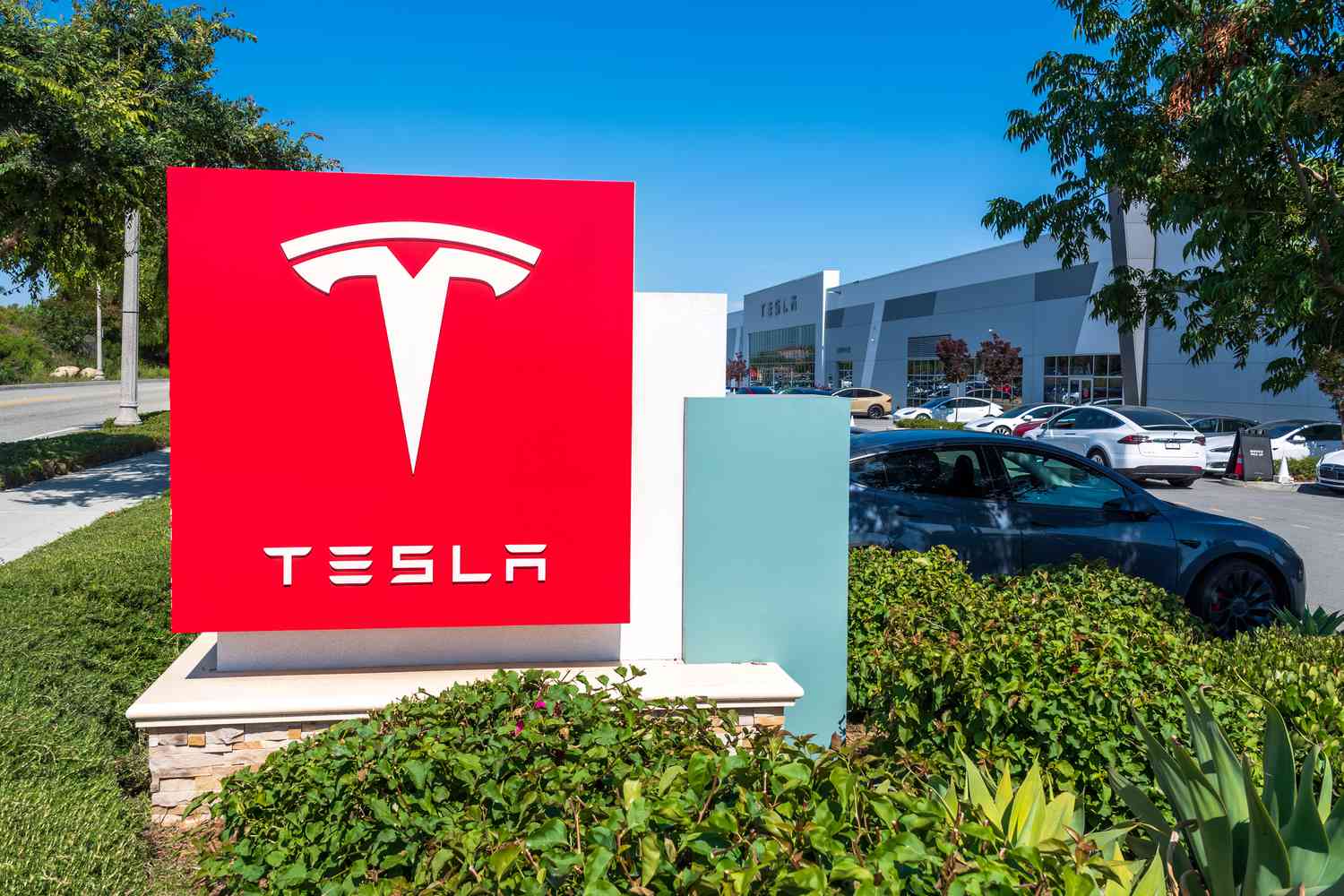
Tesla Stock Price Drops Amid Declining Electric Vehicle Market Dominance The Tesla stock price continues to face downward pressure as the electric vehicle giant loses ground to competitors, with shares trading around $350.84 after recent volatility. Tesla’s EV market share has fallen to an 8-year low, raising concerns among investors about the company’s long-term automotive leadership. Shares are down 14% in 2025, contrasting sharply with the broader market’s double-digit gains, as traditional automakers flood the EV space with competitive alternatives to Tesla’s aging vehicle lineup. Why Tesla Is Losing Its Electric Vehicle Crown Tesla’s dominance in the U.S. electric vehicle market has dramatically eroded. Recent Cox Automotive data shows the company’s market share plummeted to just 38% in August 2025, marking its first drop below the 40% threshold since October 2017. This represents a stunning fall from Tesla’s peak of over 80% market control. Current Market Performance: U.S. Market Share: 38% (historic 8-year low) China Sales August 2025: 57,152 vehicles (down 9.9% year-over-year) January-August China Performance: 361,179 vehicles (7% decrease vs. 2024) Six consecutive monthly declines in China this year The Competition Problem While Tesla’s lineup remains largely unchanged, competitors like Ford, GM, and luxury automakers have launched fresh EV models with cutting-edge features. The Model S and Model X haven’t received major updates in years, while the Model 3 and Model Y face pressure from vehicles offering similar range at lower prices. China Challenge: Local Manufacturers Winning Tesla’s Chinese operations tell a particularly concerning story. Local manufacturers like BYD, NIO, and XPeng are capturing significant market share with vehicles specifically designed for Chinese consumer preferences and government incentives. The upcoming Model Y L (longer-wheelbase variant) scheduled for September delivery may provide temporary relief, but the fundamental challenge remains: Tesla needs fresh products to compete effectively in the world’s largest EV market. Elon Musk’s $30 Trillion Optimus Robot Gamble Despite automotive struggles, CEO Elon Musk is betting Tesla’s future on revolutionary technologies. Musk recently stated that 80% of Tesla’s value will eventually come from Optimus humanoid robots, which have yet to reach market. His ambitious projection suggests that manufacturing a billion Optimus units annually could generate upwards of $30 trillion in revenue, fundamentally transforming Tesla from an automotive company into a robotics and AI powerhouse. Optimus Development Timeline: Factory deployment at Tesla facilities (beginning soon) Commercial availability targeting $20,000-$25,000 per unit Long-term goal of 1 billion units annually Potential $30 trillion revenue generation Watch: Inside Tesla’s Optimus Robot Factory Integration [Video showcasing Optimus capabilities and manufacturing plans] The Robotaxi Revolution Tesla’s autonomous vehicle program continues advancing despite regulatory challenges. The Robotaxi app recently opened to the general public, expanding beyond Tesla influencers in Austin and the San Francisco Bay Area. Ark Invest believes the robotaxi business alone could represent 90% of Tesla’s enterprise value by 2029, though Musk’s September 4 statement about removing safety drivers “by end of year” faces significant regulatory hurdles, particularly in California. Autonomous Vehicle Roadblocks Current legal frameworks present major challenges to Tesla’s ambitious autonomous vehicle timeline. While technology advances, regulatory approval for fully autonomous operation without safety drivers remains uncertain across most U.S. markets. Wall Street’s Mixed Signals on TSLA Analyst price targets span a wide range, with bearish analysts suggesting $19.05 per share while bullish predictions reach $500. This massive spread reflects deep uncertainty about Tesla’s transformation from automotive leader to AI/robotics company. Technical Analysis: Current Trading Range: $350-$355 52-Week Range: $212.11 – $488.54 Recent Pattern: Higher lows with sideways movement Morgan Stanley: Removed “top pick” but maintains $410 target The $1 Trillion Compensation Controversy Tesla’s board proposed an unprecedented compensation package for Musk worth nearly $1 trillion over ten years, contingent on achieving ambitious milestones including: 20 million vehicles delivered 10 million Full Self-Driving subscriptions 1 million Optimus robots delivered 1 million commercial robotaxis Massive market capitalization growth Morgan Stanley analyst Adam Jonas called this package “a good deal for shareholders,” aligning Musk’s interests with long-term value creation. Investment Outlook: Transformation or Decline? Tesla stands at a critical crossroads. Traditional automotive business faces mounting competitive pressure, while Musk’s vision of an AI-powered future presents potentially massive upside. The fundamental question for investors: Is Tesla a declining car company or the future of human-robot collaboration? Key Risk Factors: Continued market share erosion in core EV business Regulatory challenges for autonomous vehicles Optimus robot commercialization timeline uncertainty Execution risk on ambitious technology promises Potential Catalysts: Successful Optimus deployment in factories Expanded robotaxi service approvals New vehicle launches to refresh aging lineup Breakthrough in Full Self-Driving capabilities The Bottom Line: Tesla’s Make-or-Break Moment Tesla’s current challenges extend far beyond temporary sales fluctuations. The company’s automotive dominance is clearly ending, but Musk’s bold technological bets could redefine the entire business model. Success now depends less on vehicle manufacturing excellence and more on breakthrough achievements in artificial intelligence, robotics, and autonomous systems. For investors, this represents either a declining automotive company or the next chapter in human-technology interaction. Related Investment Analysis: EV Market Competition Analysis 2025 Autonomous Vehicle Regulation Timeline Humanoid Robot Market Projections Tesla Earnings Forecast Updates This analysis contains forward-looking statements based on current market data and company disclosures. Investment decisions should consider multiple factors and professional financial guidance.

31 Atlas: The Mysterious Interstellar Comet That’s Captivating Scientists Worldwide
What is 31 Atlas? The Space Phenomenon Everyone’s Talking About The interstellar comet 3I/ATLAS (commonly searched as “31 atlas”) has become the most talked-about celestial object in recent weeks, and for good reason. NASA’s James Webb Space Telescope has made its first observations of interstellar comet 3I/ATLAS, revealing that the comet appears to be unusually rich in carbon dioxide. This extraordinary visitor from beyond our solar system is rewriting what we know about interstellar objects, making headlines across major scientific publications and sparking intense debate among astronomers. Breaking News: Why 31 Atlas is Trending Right Now Latest Development: Astronomers have captured a stunning new image of the interstellar intruder 3I/ATLAS, seeing its growing tail and glowing coma. This breakthrough observation has sent shockwaves through the scientific community, providing unprecedented insights into this mysterious cosmic wanderer. Key Recent Discoveries: Carbon Dioxide Mystery: Unlike typical comets that release water vapor, 31 Atlas is expelling massive amounts of CO2 Nuclear-Powered Theory: Harvard scientist notes the unusually precise trajectory of 3I/ATLAS, which will get relatively close to Mars, Venus and Jupiter, with a likelihood of one in 20,000 Hubble’s Stunning Images: New high-resolution photographs reveal incredible detail about the comet’s structure The Science Behind 31 Atlas: What Makes It So Special Unprecedented Composition The new observations reveal a cloud of carbon dioxide (CO2) around 3I/ATLAS corresponding to a mass loss rate of about 70 kilograms per second. No water (H2O) cloud was detected, making this comet fundamentally different from any we’ve studied before. Interstellar Origins While the vast majority of comets that we know of originated on the outer edges of our Solar System, this interstellar visitor likely originated in some other star system entirely, traveling for potentially millions of years to reach us. Size and Behavior Data suggests 3I/ATLAS is losing dust at a rate consistent with comets that are detected around 480 million kilometres from the Sun, indicating it’s a substantial object with remarkable staying power. Upcoming Mars Flyby: A Once-in-a-Lifetime Event Mark Your Calendars: The interstellar comet 3I/ATLAS will zoom past Mars in October 2025, and ESA’s Mars orbiters will attempt to image and analyze the object during the encounter. This historic flyby presents an unprecedented opportunity for detailed study, with multiple space agencies coordinating to capture data from this rare interstellar visitor. What to Expect: High-resolution imaging from Mars orbiters Spectroscopic analysis of the comet’s composition Real-time tracking of its trajectory changes The Controversial Nuclear Theory: Fact or Fiction? The scientific community is divided over Harvard astronomer Avi Loeb’s suggestion that 31 Atlas might be artificially propelled. The overwhelming consensus is that it is a comet, with many researchers disappointed with the new paper and pointed out that it distracts from the work of other scientists. Arguments For the Theory: Extremely precise trajectory timing Unusual composition compared to known comets Consistent velocity maintenance Scientific Skepticism: Multiple telescopic observations confirm comet behavior Natural explanations exist for all observed phenomena Statistical analysis questioned by experts Multiple Telescopes Confirm: 31 Atlas is Truly Bizarre A slew of new observations suggest it may be even weirder than the weirder that it was, with four major telescopes providing consistent but puzzling data about this interstellar visitor. Observing Facilities Involved: James Webb Space Telescope: Infrared spectroscopy Hubble Space Telescope: High-resolution imaging ATLAS Survey: Discovery and tracking Ground-based observatories: Continuous monitoring Will 31 Atlas Hit Earth or Mars? Safety Assurance: All evidence points to comet 3I/ATLAS passing through our Solar System without hitting any of the planets, including our own. The comet’s trajectory has been precisely calculated, and while it will make close approaches to several planets, it poses no collision risk. How to Follow 31 Atlas Updates Stay informed about this developing story through: NASA’s official updates on James Webb observations ESA’s Mars mission reports during the October flyby Astronomical journals for peer-reviewed findings Space news websites for breaking developments The Bigger Picture: What 31 Atlas Teaches Us This remarkable interstellar comet is more than just a space curiosity—it’s a window into: Planetary formation in other star systems Interstellar medium composition Comet evolution over cosmic timescales Detection methods for future interstellar objects Conclusion: The Future of 31 Atlas Research As 31 Atlas continues its journey through our solar system, scientists are working around the clock to unlock its secrets. The upcoming Mars flyby in October 2025 promises to deliver groundbreaking data that could reshape our understanding of interstellar objects. Whether you’re a space enthusiast or simply curious about this trending phenomenon, 31 Atlas represents one of the most significant astronomical discoveries of our time. Keep watching the skies—and the news—as this cosmic mystery continues to unfold. Stay Updated: Bookmark this page for the latest 31 Atlas developments as this story continues to evolve with new discoveries from the world’s most powerful telescopes.
EchoStar Makes Headlines: $17 Billion SpaceX Spectrum Deal Shakes Up Satellite Industry
Breaking News Update – September 8, 2025 $17 Billion SpaceX Spectrum Deal Shakes Up Satellite Industry EchoStar Corporation (NASDAQ: SATS) is dominating financial headlines today following two major announcements that could reshape the satellite communications landscape. The company has struck a massive $17 billion spectrum deal with SpaceX while simultaneously canceling a $1.3 billion satellite contract with MDA Space. EchoStar-SpaceX $17 Billion Spectrum Sale: What You Need to Know In a groundbreaking move announced today, EchoStar has agreed to sell its complete portfolio of AWS-4 and H-block spectrum licenses to SpaceX for an unprecedented $17 billion. This deal represents one of the largest spectrum transactions in telecommunications history and positions SpaceX to enhance its Starlink Direct-To-Cell constellation significantly. Key Details of the EchoStar-SpaceX Agreement: Transaction Value: $17 billion for full spectrum portfolio Spectrum Type: AWS-4 and H-block licenses Purpose: Development of next-generation Starlink Direct-To-Cell services Timeline: Deal announced September 8, 2025 Market Impact: Expected to accelerate satellite-to-cellular connectivity The spectrum sale comes just weeks after EchoStar’s previous major deal with AT&T, where the telecommunications giant agreed to acquire certain wireless spectrum licenses for approximately $23 billion. These back-to-back transactions demonstrate EchoStar’s strategic pivot in monetizing its valuable spectrum assets. MDA Space Contract Cancellation Creates Industry Ripples In a surprising parallel development, EchoStar has canceled its $1.3 billion direct-to-device (D2D) satellite constellation contract with MDA Space. The cancellation affects a planned satellite network that was intended to compete in the growing direct-to-device communications market. Impact on Satellite Industry: MDA Space Effect: Significant revenue loss for the Canadian space technology company Market Shift: Indicates changing priorities in satellite constellation deployment Strategic Realignment: EchoStar focusing resources on spectrum monetization EchoStar Stock Performance and Market Reaction Following recent spectrum deals, EchoStar stock has experienced significant volatility. The company’s shares previously skyrocketed 70% on the AT&T deal announcement, and today’s SpaceX agreement is expected to generate additional investor interest. Investment Highlights: Revenue Diversification: Multiple billion-dollar spectrum sales Asset Optimization: Strategic disposal of underutilized spectrum Market Position: Enhanced liquidity for future investments FCC Compliance: Deals help resolve regulatory inquiries What This Means for the Satellite Communications Industry The EchoStar-SpaceX partnership represents a significant shift in satellite communications strategy. By selling spectrum to SpaceX rather than building its own constellation, EchoStar is essentially betting on Elon Musk’s company to lead the direct-to-cell revolution. Industry Implications: Consolidation Trend: Smaller players selling assets to major providers Spectrum Valuation: Confirming high value of mobile spectrum assets Technology Focus: Shift toward proven satellite operators Competition Impact: Strengthening SpaceX’s position against competitors EchoStar’s Strategic Business Transformation These recent moves highlight EchoStar’s evolution from a traditional satellite TV provider to a spectrum asset monetization company. The company, originally founded by Charlie Ergen, has successfully pivoted to capitalize on the increasing demand for wireless spectrum. Business Segments Update: Pay-TV Services: Traditional satellite television operations Connectivity Services: Broadband and enterprise solutions Spectrum Assets: High-value wireless licenses for mobile carriers Boost Mobile: Wireless carrier operations Financial Impact and Future Outlook With combined spectrum sales to AT&T and SpaceX potentially totaling over $40 billion, EchoStar is positioned for significant financial transformation. These transactions provide substantial capital for debt reduction, shareholder returns, and strategic investments. Key Financial Metrics: Revenue Boost: Multi-billion dollar spectrum sales Debt Reduction: Improved balance sheet flexibility Cash Position: Enhanced liquidity for operations Shareholder Value: Potential for increased dividends and buybacks Looking Ahead: EchoStar’s Next Chapter As EchoStar completes these major transactions, investors and industry observers are closely watching the company’s next strategic moves. The substantial cash influx from spectrum sales provides numerous options for future growth and innovation. The company’s ability to successfully monetize spectrum assets while maintaining its core satellite and connectivity businesses demonstrates adaptive management in a rapidly evolving telecommunications landscape. Conclusion Today’s EchoStar news represents a pivotal moment for both the company and the broader satellite industry. The $17 billion SpaceX deal, combined with the MDA Space contract cancellation, signals a clear strategic direction focused on asset optimization and partnership with established technology leaders. For investors, these developments highlight EchoStar’s successful transformation from traditional satellite operator to strategic spectrum asset manager, positioning the company for continued relevance in the evolving communications ecosystem. This breaking news analysis covers EchoStar’s latest developments as of September 8, 2025. For the most current information, visit EchoStar’s official investor relations page and follow their latest press releases. Related Topics: SpaceX Starlink, AT&T spectrum acquisition, satellite communications, direct-to-cell technology, wireless spectrum valuation, telecommunications industry news Stock Symbol: EchoStar Corporation trades on NASDAQ under ticker symbol SATS

VoIP Setup for Small Business: The Complete 2025 Guide to Cost-Effective Communication
VoIP Setup for Small Business VoIP setup for small business has become the cornerstone of modern workplace communication, offering significant cost savings and enhanced flexibility compared to traditional phone systems. With businesses increasingly adopting remote and hybrid work models, implementing a Voice over Internet Protocol (VoIP) system can reduce telecommunications costs by up to 60% while providing enterprise-level features that were once exclusive to large corporations. What is VoIP and Why Small Businesses Need It Voice over Internet Protocol (VoIP) technology converts voice calls into digital data packets that travel over the internet rather than traditional phone lines. This revolutionary approach to business communication has transformed how small businesses connect with customers, partners, and remote employees. Key Benefits of VoIP for Small Businesses: Cost Reduction: Traditional phone systems can cost small businesses $50-100 per line monthly, while VoIP services typically range from $15-35 per user, including advanced features like call forwarding, voicemail-to-email, and conference calling. Scalability: Unlike traditional phone systems that require physical infrastructure changes, VoIP systems can easily scale up or down based on business needs. Remote Work Support: With cloud-based VoIP solutions, employees can make and receive business calls from anywhere with an internet connection. Advanced Features: Modern VoIP systems include features like auto-attendant, call analytics, CRM integration, and video conferencing capabilities. Essential Requirements for VoIP Setup Before diving into the setup process, ensure your business meets these fundamental requirements: Internet Connection Requirements Bandwidth Calculation: Each VoIP call requires approximately 100 kbps of bandwidth. For a 10-employee office with simultaneous calls, you’ll need at least 1 Mbps dedicated bandwidth for voice traffic. Network Quality: VoIP performance depends heavily on network stability. Consider upgrading to a business-grade internet connection with guaranteed uptime and Quality of Service (QoS) features.  Hardware Requirements IP Phones: Choose between desk phones, softphones (software-based), or mobile apps. Popular options include: Yealink T4 series for basic functionality Cisco IP Phone 6800 series for advanced features Polycom VVX series for conference rooms Network Equipment: Ensure your router and switches support QoS features to prioritize voice traffic over data. Power over Ethernet (PoE): PoE switches eliminate the need for separate power adapters for IP phones. Step-by-Step VoIP Setup Process Step 1: Choose Your VoIP Service Provider Selecting the right VoIP provider is crucial for success. Consider these top-rated options: RingCentral: Comprehensive business communication platform with robust mobile apps and integrations. Plans start at $19.99/month per user. 8×8: Enterprise-grade features with excellent international calling rates. Basic plans begin at $15/month per user. Nextiva: Known for exceptional customer service and user-friendly interface. Pricing starts at $18.95/month per user. Ooma Office: Cost-effective solution for very small businesses, with plans starting at $9.95/month per user. Step 2: Network Assessment and Preparation Bandwidth Testing: Use tools like Speedtest by Ookla to measure your current internet speed and latency. QoS Configuration: Configure your router to prioritize VoIP traffic. Most business routers offer VoIP QoS presets. Firewall Settings: Ensure your firewall allows SIP (Session Initiation Protocol) traffic on ports 5060-5061 and RTP (Real-time Transport Protocol) traffic on ports 10000-65535. Step 3: Hardware Installation Physical Setup: Connect IP phones to your network using Ethernet cables. If using PoE, connect phones directly to PoE-enabled switches. Phone Configuration: Most modern IP phones auto-configure when connected to the network. Manual configuration involves entering: SIP server address (provided by your VoIP provider) Extension number Authentication credentials Testing: Make test calls between extensions and to external numbers to verify functionality. Step 4: Software Configuration and Integration Auto-Attendant Setup: Configure your automated greeting and call routing options through your provider’s web portal. Voicemail Configuration: Set up voicemail boxes for each user, including voicemail-to-email notifications. CRM Integration: Connect your VoIP system with customer relationship management tools like Salesforce, HubSpot, or Zoho CRM for enhanced productivity. Mobile App Setup: Install your provider’s mobile application on smartphones to enable remote calling using business numbers. Advanced VoIP Features for Small Business Growth Call Analytics and Reporting Modern VoIP systems provide detailed call analytics that help businesses understand customer communication patterns, peak call times, and employee productivity metrics. These insights are invaluable for staffing decisions and customer service improvements. Conference Calling and Video Features Built-in conference calling capabilities eliminate the need for separate conferencing services. Many VoIP providers now include video calling features, making them comprehensive communication solutions. Integration Capabilities Email Integration: Voicemail messages can be automatically transcribed and sent to email inboxes. Calendar Integration: Schedule calls directly from calendar applications with automatic dial-out features. Help Desk Integration: Route customer calls directly to support tickets in systems like Zendesk or ServiceNow. Common VoIP Setup Challenges and Solutions Audio Quality Issues Problem: Poor call quality, echo, or dropped calls Solution: Implement QoS settings, upgrade internet bandwidth, or consider SD-WAN solutions for multi-location businesses Security Concerns Problem: VoIP systems can be vulnerable to cyber attacks Solution: Use encrypted SIP connections, implement strong passwords, and consider session border controllers (SBCs) for additional security Emergency Calling Limitations Problem: VoIP may not automatically provide location information to emergency services Solution: Configure E911 services through your provider and maintain updated location information Cost Analysis: VoIP vs. Traditional Phone Systems Initial Setup Costs Traditional System: $800-1,500 per employee (hardware + installation) VoIP System: $100-300 per employee (primarily IP phones) Monthly Operating Costs Traditional System: $40-80 per line VoIP System: $15-35 per user (including features) Feature Comparison Traditional phone systems often charge extra for features like call forwarding, conference calling, and voicemail, while VoIP systems typically include these features in base plans. Maintenance and Troubleshooting Regular Maintenance Tasks Software Updates: Keep IP phone firmware and softphone applications updated Network Monitoring: Regularly monitor network performance and call quality metrics Security Audits: Quarterly review of security settings and user access permissions Basic Troubleshooting Steps Check Network Connectivity: Verify internet connection stability Restart Equipment: Power cycle routers, switches, and IP phones Review QoS Settings: Ensure voice traffic prioritization is active Contact Provider Support: Most VoIP providers offer 24/7 technical support Future-Proofing Your VoIP Investment Emerging