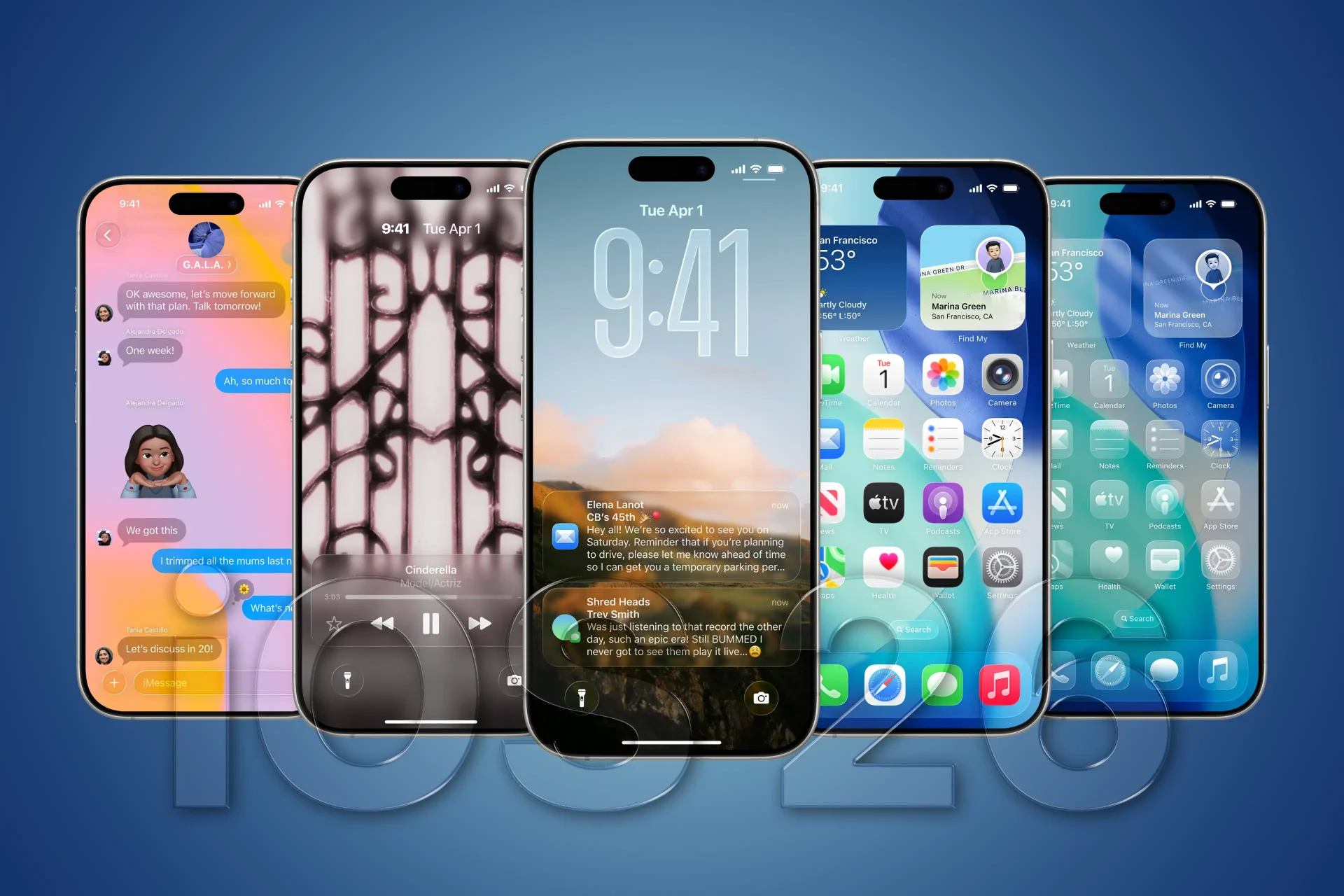
iOS 26 Release Date Are you eagerly waiting for iOS 26? Apple’s newest iPhone operating system is generating massive buzz, and for good reason. With a stunning redesign, powerful AI features, and exciting app updates, iOS 26 promises to transform your iPhone experience. Here’s everything you need to know about the iOS 26 release date and what’s coming to your device. (iOS 26 Release Date) When is iOS 26 Coming Out? The official iOS 26 release date is expected to be mid-September 2025, following Apple’s traditional launch schedule. Based on Apple’s historical patterns, the update will likely arrive during the week of September 15, 2025. Apple has consistently followed this timeline for years: 2024: iOS 18 launched on September 9 2023: iOS 17 launched on September 12 2022: iOS 16 launched on September 7 The release will coincide with Apple’s highly anticipated iPhone 17 announcement event, scheduled for Tuesday, September 9, 2025, at Apple Park in Cupertino. Why iOS 26 Instead of iOS 19? You might be wondering why Apple skipped iOS 19-25 entirely. Apple has adopted a new numbering system for 2025, choosing version 26 because iOS 26 will remain the current iPhone operating system until late 2026. This numbering change applies to all Apple’s 2025 operating system releases, including iPadOS 26, macOS Tahoe, and watchOS 26. Major iOS 26 Features to Expect Apple officially announced iOS 26 at WWDC 2025 on June 9, revealing several groundbreaking features: 1. Stunning New Design iOS 26 introduces Apple’s most significant design overhaul in years, bringing fresh visual elements and improved user interface across the entire system. 2. Enhanced Apple Intelligence The update delivers more powerful AI capabilities, making Siri smarter and more contextually aware than ever before. 3. Improved Communication Apps Phone App: New ways to stay connected with enhanced calling features Messages App: Introduction of polls and custom backgrounds for more engaging conversations 4. Updated Core Apps CarPlay: Major improvements for better in-car integration Apple Music: Enhanced listening experience with new features Maps: More accurate navigation and location services Wallet: Additional functionality for digital payments and passes Beta Testing Progress iOS 26 has been in extensive beta testing since its June announcement. Apple has released multiple beta versions to developers and public testers, with Beta 9 being the most recent release as of early September 2025. This extensive testing phase suggests the software is nearly ready for its public debut. iPhone Compatibility While specific compatibility details are still being finalized, iOS 26 is expected to support the same iPhone models as iOS 18, with potential additional optimizations for the upcoming iPhone 17 series. Preparing for iOS 26 As the release date approaches, here’s how to prepare: Back up your iPhone using iCloud or iTunes Free up storage space – iOS updates require significant space Update your apps to ensure compatibility with the new system Charge your device to at least 50% before updating What This Means for iPhone Users iOS 26 represents Apple’s commitment to pushing the boundaries of mobile technology. The integration of advanced AI features, combined with a refreshed design and improved app functionality, will make your iPhone more intuitive and powerful than ever. The timing of the release also suggests that Apple is preparing for major hardware announcements, including the rumored foldable iPhone expected in 2026. iOS 26 may include foundational features that will support future iPhone innovations. Stay Updated With the official release just weeks away, Apple is expected to announce the final release date following their September 9 iPhone event. Keep an eye on Apple’s official channels and your iPhone’s Software Update section in Settings to be among the first to experience iOS 26. The wait is almost over – iOS 26 is set to be one of Apple’s most significant iPhone updates yet, combining cutting-edge technology with user-friendly design improvements that will enhance your daily smartphone experience. Are you excited about iOS 26? Which new feature are you most looking forward to? Let us know in the comments below and don’t forget to bookmark this page for the latest iOS 26 updates!
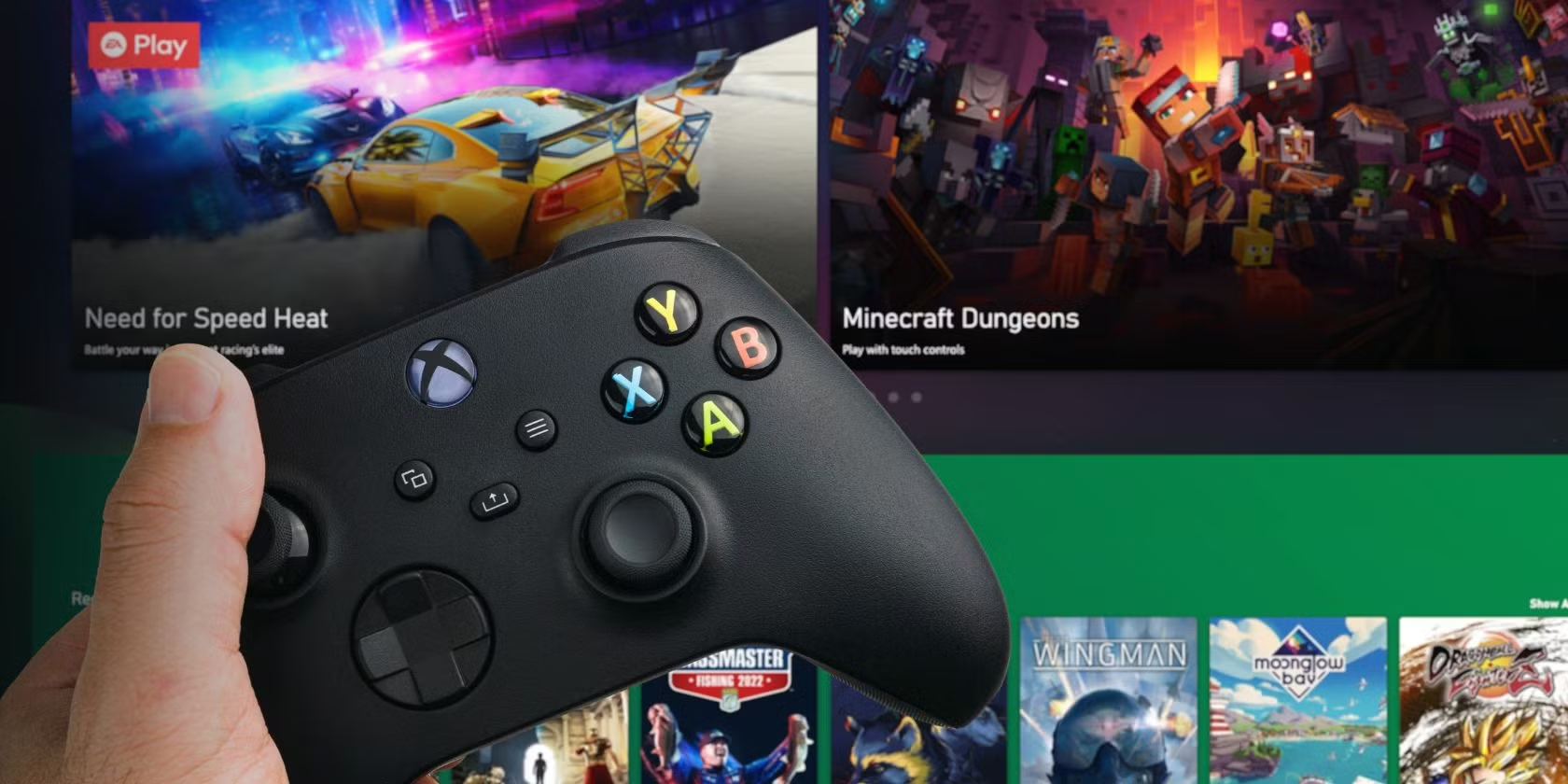
Xbox Cloud Gaming: The Future of Gaming Is Here (2025 Ultimate Guide)
Xbox Cloud Gaming Gaming has evolved dramatically over the past few years, and Xbox Cloud Gaming is leading the charge into a new era where your favorite games are just a click away—no matter where you are or what device you’re using. If you’ve been curious about cloud gaming or wondering whether Xbox’s offering is worth your time and money, this comprehensive guide covers everything you need to know about Xbox Cloud Gaming in 2025. What Is Xbox Cloud Gaming? Xbox Cloud Gaming, formerly known as Project xCloud, is Microsoft’s cloud-based gaming service that allows you to stream Xbox games directly to your devices without needing a console. Think of it as the “Netflix of gaming”—instead of downloading massive game files, you stream games from Microsoft’s powerful servers directly to your phone, tablet, PC, or smart TV. The service lets you stream games anywhere on your phone, tablet, or PC, including free-to-play favorites, plus hundreds of games with Game Pass Ultimate, making it one of the most accessible gaming platforms available today. Major 2025 Updates: What’s New and Exciting 4K Streaming Revolution One of the biggest developments for Xbox Cloud Gaming in 2025 is the introduction of 4K streaming capabilities. Key upgrades include the much-anticipated 4K streaming support for Xbox Game Pass Ultimate, expanded compatibility with PC games, higher bitrates for smoother gameplay. This means you can now experience crystal-clear gaming visuals that rival traditional console gaming, all through the cloud. Expanded Access for More Subscribers Microsoft has made Xbox Cloud Gaming more accessible than ever. Xbox Game Pass Core and Standard subscribers will be able to stream cloud playable games included with their subscription or select cloud playable games they own, making it easier to jump in from any supported device. Previously, cloud gaming was limited to Ultimate subscribers, but this expansion opens the doors for millions more gamers. Enhanced Multiplayer Features The social gaming experience has received significant improvements. Xbox Game Pass Ultimate members can easily invite friends to join their Xbox Cloud Gaming (Beta) sessions with a single sharable link. Players can simply start a multiplayer session through the cloud by opening the Xbox tab, navigating to game invites, and selecting “Anyone”. This makes coordinating gaming sessions with friends incredibly simple. Cross-Device Play History Gaming continuity has never been smoother. You will be able to more easily sync your gameplay with cross-device play history, along with cloud-playable games now appearing in your play history. Your entire cloud-playable library and play history are right at your fingertips in the Xbox PC app. Start a game on your phone during your commute and seamlessly continue on your PC when you get home. How Xbox Cloud Gaming Works The technology behind Xbox Cloud Gaming is remarkably sophisticated yet simple from a user perspective. Microsoft operates massive data centers filled with Xbox Series X hardware that run your games. When you select a game, it runs on these remote servers, and the video output is streamed to your device in real-time. Your controller inputs are sent back to the server, creating a responsive gaming experience that feels almost identical to playing on a local console. The service supports various input methods, including: Xbox controllers (wired or wireless) PlayStation controllers Touch controls on mobile devices Keyboard and mouse for supported games Supported Devices and Platforms Xbox Cloud Gaming’s device compatibility is one of its strongest selling points. You can play on: Mobile Devices: Android phones and tablets iOS devices (through Safari browser) Windows phones Computers: Windows PCs (via Xbox app or browser) Mac computers (through browser) Chromebooks Other Devices: Samsung Smart TVs Meta Quest VR headsets Select streaming devices The beauty of cloud gaming is that your device’s processing power doesn’t matter—you could play the latest AAA games on a budget smartphone or an older laptop with the same visual quality as someone using a high-end gaming PC. Game Library: What Can You Play? The Xbox Cloud Gaming library is extensive and growing constantly. Xbox Cloud Gaming (Beta) expands your audience, making it possible to deliver your games to millions of new users on the devices they already own. The service includes: Game Pass Ultimate Games: Hundreds of games from the Game Pass library Day-one releases for Xbox Game Studios titles Popular third-party games Free-to-Play Games: Fortnite, Apex Legends, and other battle royales No subscription required for these titles Owned Games: Games you’ve purchased digitally Select backward-compatible titles Upcoming PC Games: Microsoft is also working on expanding PC game support, which will significantly broaden the available library beyond traditional Xbox console games. Internet Requirements and Performance To get the best Xbox Cloud Gaming experience, you’ll need: Minimum Requirements: 10 Mbps download speed for 720p gaming Stable internet connection with low latency Recommended for Optimal Experience: 20+ Mbps for 1080p gaming 35+ Mbps for upcoming 4K streaming Wired connection when possible 5GHz Wi-Fi for wireless connections The service automatically adjusts stream quality based on your connection, so you can still play with slower internet, though the visual quality may be reduced. Cost and Subscription Options Xbox Cloud Gaming pricing has become more flexible in 2025: Xbox Game Pass Ultimate: $16.99/month Full access to Xbox Cloud Gaming Game Pass library access PC and console games included Day-one exclusives Xbox Game Pass Core/Standard: Starting at $9.99/month Limited cloud gaming access Select cloud-playable games Basic online multiplayer Free-to-Play Games: No subscription required Play supported F2P titles without any monthly fee Perfect for trying out cloud gaming Advantages of Xbox Cloud Gaming Instant Access No more waiting hours for game downloads or updates. Click and play immediately. Device Flexibility Play console-quality games on any device, anywhere with internet. Cost-Effective No need to buy expensive gaming hardware. Your phone becomes a gaming console. Try Before You Buy Test games without commitment. If you don’t like a game, simply switch to another. Always Up-to-Date Games are automatically updated on Microsoft’s servers. No patch downloads needed. Storage Freedom Zero local storage requirements. Play massive games without filling up your
Broadcom: The AI Powerhouse Driving Toward $1 Trillion Market Cap
Why Broadcom (AVGO) is the Most Talked-About Stock in Tech Right Now In the rapidly evolving landscape of artificial intelligence and semiconductor technology, few companies have captured investors’ attention quite like Broadcom Inc. (NASDAQ: AVGO). With shares that have nearly doubled over the past year and a market capitalization approaching the coveted $1 trillion milestone, Broadcom has positioned itself as an indispensable player in the AI revolution. The VMware Acquisition: A Game-Changing Strategy Broadcom’s most significant move in recent years was its massive $61 billion acquisition of VMware, completed in late 2023. This strategic acquisition has already begun paying dividends, with the company reporting exceptional financial performance in 2025. The integration has been nothing short of remarkable. Broadcom’s infrastructure software business unit, which includes VMware, grew 25% year-over-year in Q2 2025, contributing significantly to the company’s overall revenue growth. However, the acquisition hasn’t been without controversy, as many VMware customers have expressed frustration over subscription cost increases and licensing changes. Record-Breaking Financial Performance Broadcom’s financial results for 2025 have been spectacular: Q2 2025 Revenue: $15 billion (20% year-over-year growth) Net Income: $4.95 billion (124% year-over-year increase) AI Semiconductor Revenue: $4.4 billion in fiscal Q2 (46% year-over-year growth) These numbers represent the company’s strongest performance to date, driven primarily by surging demand for custom AI chips and the successful integration of VMware’s software offerings. The AI Chip Revolution What’s truly driving investor excitement is Broadcom’s position in the AI chip market. The company has secured partnerships with major cloud providers to develop custom artificial intelligence chips, including a mysterious “$10 billion AI customer” that sent shares soaring in recent trading sessions. Currently operating at approximately a $16 billion AI revenue annual run rate, Broadcom is actively working with multiple hyperscale companies to develop next-generation AI solutions. This represents a massive opportunity, as the global demand for AI computing infrastructure continues to accelerate. Key AI Business Highlights: Nine consecutive quarters of substantial AI semiconductor growth Partnerships with major cloud providers for custom chip development Expected 25% EPS growth CAGR through FY27 Strong margins: 65% adjusted operating margin and 52% adjusted net margin Strategic Partnerships and Market Position Broadcom’s success isn’t just about technology—it’s about strategic positioning. The company develops custom chips for tech giants including Google and Apple, placing it at the center of the AI ecosystem. The company’s diversified portfolio includes: Semiconductor Solutions: Custom AI chips, networking chips, and wireless components Infrastructure Software: VMware virtualization, security software, and enterprise solutions Intellectual Property: Licensing revenue from broad patent portfolio Investment Outlook and Analyst Predictions Wall Street analysts remain bullish on Broadcom’s prospects. William Blair maintains an “Outperform” rating, citing the company’s strong positioning in AI chip development and strategic partnerships with cloud providers. Key investment thesis points include: Market Cap Potential: Analysts believe Broadcom could cross the $1 trillion market cap threshold Sustained Growth: Revenue growth expected to remain steady through 2025 and accelerate in 2026 Dividend Strength: Broadcom maintains a strong dividend-paying track record while investing in growth Challenges and Considerations Despite the overwhelming positive momentum, Broadcom faces some headwinds: VMware Customer Retention: Some enterprise customers are exploring alternatives due to pricing changes Custom Silicon Margin Pressure: The ramp-up in custom chip production may pressure gross margins Market Competition: Increased competition in the AI chip space from NVIDIA and other players What’s Next for Broadcom? Looking ahead, Broadcom’s strategy focuses on several key areas: Continued AI Investment: Expanding custom chip development capabilities VMware Integration: Maximizing synergies and customer retention Strategic Partnerships: Deepening relationships with cloud providers and tech giants The company’s management, led by CEO Hock Tan, has consistently delivered on growth promises and appears well-positioned to capitalize on the ongoing AI boom. Conclusion: A Stock to Watch Broadcom’s transformation from a traditional semiconductor company to an AI powerhouse has been remarkable. With record financial performance, strategic acquisitions, and positioning at the center of the AI revolution, the company represents one of the most compelling growth stories in technology today. For investors seeking exposure to both the AI boom and enterprise software markets, Broadcom offers a unique combination of growth potential and dividend income. While the stock trades at premium valuations, the company’s execution track record and massive market opportunity suggest the growth story is far from over. Disclaimer: This article is for informational purposes only and should not be considered investment advice. Always consult with a qualified financial advisor before making investment decisions. For the latest Broadcom news and financial updates, visit the official Broadcom newsroom and investor relations page. Related Links: Broadcom Stock Quote (Yahoo Finance) Broadcom VMware Acquisition Timeline Latest Broadcom Earnings Report
Broadcom Partners with OpenAI for Custom AI Chip Development Set for 2026 Launch
Broadcom, the major U.S. semiconductor company, is collaborating with OpenAI to develop the AI startup’s inaugural artificial intelligence chip, with production scheduled for 2026, according to a Financial Times report published Thursday. The partnership represents a significant milestone for both companies, as OpenAI seeks to reduce its dependence on external chip suppliers while Broadcom expands its presence in the rapidly growing AI semiconductor market. Sources familiar with the arrangement indicate that OpenAI intends to use these custom chips exclusively for internal operations rather than offering them to third-party customers. This strategic approach aligns with the company’s goal of optimizing its AI infrastructure costs and performance. Neither Broadcom nor OpenAI provided immediate responses to requests for comment regarding the partnership details. The collaboration builds on previous reports from last year indicating that OpenAI was working with multiple semiconductor partners, including Broadcom and Taiwan Semiconductor Manufacturing Company (TSMC), to create proprietary AI processing hardware. The initiative also involves incorporating AMD processors alongside existing Nvidia components to address increasing computational demands. Broadcom’s involvement in this project reflects the company’s strategic expansion into AI infrastructure. During Thursday’s earnings call, Broadcom CEO Hock Tan announced expectations for “significant improvement” in artificial intelligence revenue growth for fiscal 2026, following the company’s success in securing over $10 billion in AI infrastructure orders from an unnamed major customer. Tan revealed that a new client became a qualified customer after placing substantial orders in the most recent quarter. Earlier this year, the CEO had mentioned four potential new customers actively engaged in custom chip development discussions, beyond Broadcom’s three established large-scale clients. This OpenAI-Broadcom partnership follows similar strategies employed by tech giants Google, Amazon, and Meta, all of which have developed proprietary chips to manage AI workloads as demand for specialized computing power continues to surge across the industry. For OpenAI, the custom chip development with Broadcom represents a crucial step toward greater independence from current suppliers like Nvidia, potentially offering improved cost efficiency and performance optimization for training and operating advanced AI models like ChatGPT.

Hollow Knight: Silksong Finally Launches on Game Pass – Everything You Need to Know
Published: September 5, 2025 | Reading Time: 5 minutes Silksong Finally Launches on Game Pass After six long years of anticipation, Hollow Knight: Silksong has finally arrived on Xbox Game Pass, marking one of the biggest gaming releases of 2025. The highly anticipated sequel launched on September 4, 2025, and is available day one with Game Pass for Xbox Console, PC, and cloud gaming subscribers. (Silksong Finally Launches on Game Pass) Why Silksong Game Pass is a Game-Changer for Subscribers The inclusion of Silksong on Game Pass represents incredible value for subscribers. Instead of paying the full retail price, Game Pass members can dive into Team Cherry’s masterpiece at no additional cost. This day-one availability makes Xbox Game Pass one of the most compelling gaming subscriptions available today. What Makes Silksong Worth the Wait? After its official reveal in 2019, Hollow Knight: Silksong is finally being released on Xbox, PlayStation, Nintendo Switch, and PC platforms, but Game Pass subscribers get the best deal. The sequel promises to expand on everything that made the original Hollow Knight a beloved indie masterpiece. Key features that make Silksong special: Enhanced combat mechanics with new abilities Stunning hand-drawn art and animation Expansive new world to explore as Hornet Challenging platforming and boss encounters Rich lore and storytelling Game Pass vs. Other Platforms: Why Xbox Wins While Silksong is available across multiple platforms, Xbox Game Pass subscribers get the ultimate advantage. Here’s why choosing Game Pass for your Silksong experience is the smart move: Instant Access Without Breaking the Bank Game Pass subscribers can start playing immediately without worrying about the purchase price. For gamers who want to experience multiple titles, this represents significant savings. Cross-Platform Play and Cloud Gaming With Game Pass, you can seamlessly switch between Xbox console, PC, and cloud gaming. Start your adventure on Xbox, continue on your phone during lunch breaks, and finish on PC – all with the same subscription. Additional September Game Pass Releases Hollow Knight: Silksong may very well be the most exciting new Game Pass game coming in September 2025, but it won’t be alone. Deep Rock Galactic: Survivor is joining Game Pass on September 17, while the console version of well-reviewed city builder Frostpunk 2 is coming on September 18. (Silksong Finally Launches on Game Pass) How to Access Silksong on Game Pass Getting started with Silksong Game Pass is straightforward: Subscribe to Xbox Game Pass if you haven’t already Search for “Hollow Knight: Silksong” in the Game Pass library Download and install on your preferred platform Start playing immediately – no additional purchase required Technical Considerations Current demand has caused widespread crashes and technical issues on all major storefronts following launch, but these issues are being resolved quickly. Game Pass’s robust infrastructure helps manage the high player demand better than individual platform stores. Should You Subscribe to Game Pass Just for Silksong? For many gamers, Silksong alone justifies a Game Pass subscription. Consider these factors: Financial Benefits: Game Pass Ultimate costs less than buying 2-3 full-price games per year Access to hundreds of other high-quality titles Day-one releases from Xbox Game Studios and partners Gaming Library Value: Discover new indie gems alongside AAA blockbusters Try games risk-free without individual purchases Regular additions keep the library fresh The Future of Silksong Content Speaking to Bloomberg’s Jason Schreier, Gibson and Pellen teased extra content, suggesting that Silksong’s journey is just beginning. Game Pass subscribers will likely have immediate access to any future DLC or content updates. Conclusion: Silksong Finally Launches on Game Pass The arrival of Hollow Knight: Silksong on Game Pass represents a watershed moment for subscription gaming. After years of waiting, fans can finally experience this incredible sequel without additional cost through their Game Pass subscription. Whether you’re a longtime Hollow Knight fan or new to the series, Game Pass provides the most accessible and value-packed way to experience Silksong. With cross-platform compatibility, cloud gaming support, and access to hundreds of other titles, subscribing to Game Pass for Silksong access is one of the smartest gaming decisions you can make in 2025. Ready to dive into Silksong? Subscribe to Xbox Game Pass today and start your adventure as Hornet in this long-awaited masterpiece. Looking for more gaming content? Check out our guides on Xbox Game Pass hidden gems and upcoming Game Pass releases. Follow us for the latest gaming news and reviews. Related Keywords: Hollow Knight Silksong, Xbox Game Pass, Silksong release date, Game Pass September 2025, Team Cherry, indie games, Xbox subscription, Silksong review, Game Pass value

Ubisoft 2025: Navigating Challenges While Building Gaming’s Future
Ubisoft 2025 Introduction Ubisoft, one of the world’s largest video game publishers, continues to make headlines in 2025 as the company navigates a complex landscape of financial challenges, exciting game releases, and strategic pivots. From the success of Assassin’s Creed Shadows to ongoing developments in their major franchises, here’s everything you need to know about Ubisoft’s current position and future plans. Financial Performance: Mixed Results in a Challenging Year Revenue Decline and Strategic Adjustments Ubisoft’s 2024-25 fiscal year painted a picture of both challenges and resilience. For the 2024–25 fiscal year, Ubisoft generated net bookings of €1.85 billion, showing the company’s continued market presence despite facing headwinds. However, the first half of the fiscal year revealed significant challenges, with sales declining by 19.6% year-over-year to €672 million. This decline was attributed partly to underperforming releases, including Star Wars Outlaws, which failed to meet initial expectations. Debt Position and Financial Health The company’s financial position remains a concern for investors. IFRS net debt totaled €1,408 million at September 30, 2024, of which €306 million related to the IFRS16 accounting restatement. Despite this debt load, Cash and cash equivalents stood at €933.1 million, providing some operational flexibility. Major Game Releases and Performance Assassin’s Creed Shadows: A Franchise Success Story Assassin’s Creed Shadows became one of the best-selling games of 2025 and, according to Ubisoft’s report, had the second-highest day-one sales of any game in the franchise. This success demonstrates the enduring appeal of Ubisoft’s flagship franchise and its ability to generate significant revenue. Upcoming Gaming Pipeline Looking ahead, Ubisoft has an ambitious release schedule. Ubisoft to launch six games in 2025-2026, including two Assassin’s Creed, two Far Cry and a Splinter Cell, showing the company’s commitment to leveraging its most popular franchises. One highly anticipated release is Anno 117: Pax Romana, which finally got a November release date for later in 2025 as part of the Summer Game Fest 2025 festivities. Current Game Portfolio and Live Services Active Franchises and Updates Ubisoft continues to support its existing game portfolio with regular updates: Rainbow Six Siege: New Rainbow Six Siege Streamer Charm for Y10S3 and ongoing seasonal content Skull and Bones: Skull and Bones Year 2 is here, bringing a fleet of changes to the Indian Ocean Riders Republic: Community Updates are making a comeback in the Republic Environmental Initiatives Multiple Ubisoft studios are taking part in this year’s Green Game Jam, with environmentally themed content being added to games like Riders Republic, Just Dance, Prince of Persia the Lost Crown, and more, showcasing the company’s commitment to environmental awareness. Ubisoft+ Subscription Service Growth The company continues to expand its subscription offering, with Ubisoft+, the subscription service, they can access a growing catalog of more than 100 Ubisoft games and DLC. This represents a strategic shift toward recurring revenue models in line with industry trends. Challenges and Market Position Brand Strength Despite Financial Hurdles The Assassin’s Creed and Rainbow Six brands, as a whole, showcased strong user numbers throughout the year, indicating that while financial performance has been mixed, Ubisoft’s core franchises remain popular with gamers worldwide. Strategic Focus Areas Ubisoft appears to be focusing on: Core Franchise Development: Doubling down on proven properties like Assassin’s Creed and Far Cry Live Service Games: Continuing support for ongoing titles with regular content updates Subscription Services: Expanding Ubisoft+ to create recurring revenue streams Environmental Responsibility: Participating in industry-wide sustainability initiatives Looking Ahead: What to Expect 2025-2026 Game Releases With six major games planned for release over the next two years, including new entries in beloved franchises, Ubisoft is betting on its established properties to drive recovery and growth. Market Recovery Strategy The company’s focus on cost reduction while maintaining investment in major franchises suggests a strategy of weathering current market challenges while positioning for future growth. Conclusion Ubisoft in 2025 represents a company at a crossroads – facing financial challenges while maintaining strong brand recognition and player engagement. The success of Assassin’s Creed Shadows proves there’s still significant demand for Ubisoft’s content, while the ambitious pipeline of upcoming releases suggests confidence in future performance. For gamers, this means continued support for favorite franchises and exciting new releases on the horizon. For investors and industry watchers, Ubisoft’s journey through 2025 will be a crucial test of the company’s ability to adapt and thrive in an evolving gaming landscape. Stay Updated: For the latest Ubisoft news and game updates, visit the official Ubisoft website and follow their news section for real-time announcements. Related Links: Ubisoft Store Ubisoft Investor Relations Rainbow Six Siege News
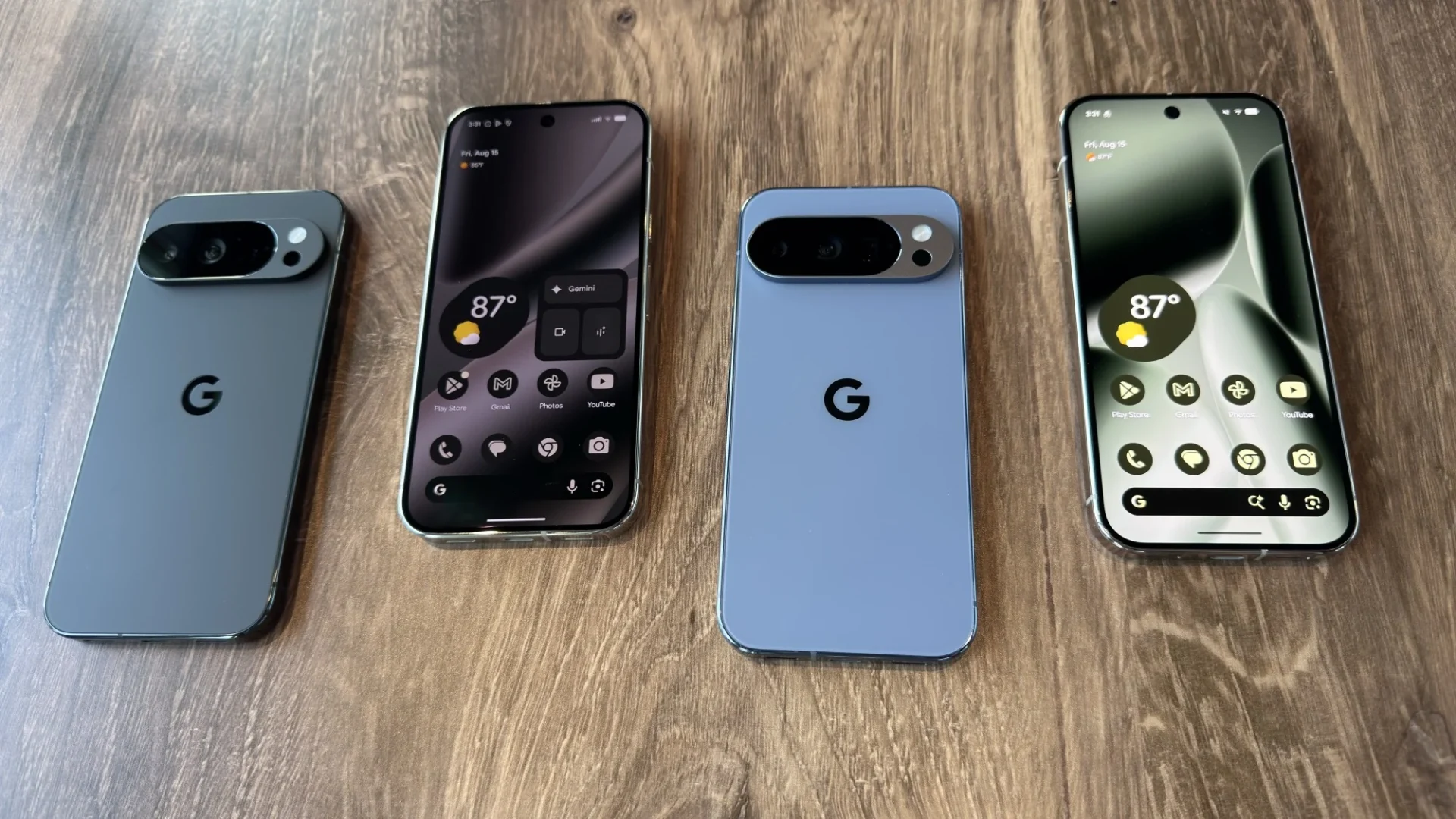
Google Pixel 10: Everything You Need to Know About Google’s Latest Flagship
Google Pixel 10 The Google Pixel 10 has officially arrived, marking a significant milestone in Google’s smartphone evolution. Google officially launched the Pixel 10 phones on August 20 at a Made by Google event in New York, with the devices going on sale August 28. Let’s dive deep into everything that makes the Pixel 10 series stand out in 2025’s competitive smartphone market. Google Pixel 10 Release Date and Availability The Google Pixel 10 was announced on August 20, 2025, and hit stores on August 28. The standard Pixel 10 is available for immediate purchase, while the Pixel 10 Pro Fold will be delayed until October 9. This staggered release allows Google to meet demand while ensuring quality control across their expanded lineup. Revolutionary Tensor G5: The Heart of Pixel 10 Performance Breakthrough The most significant upgrade in the Pixel 10 series is the new Tensor G5 processor. Tensor G5 is Google’s most significant chip upgrade since Tensor’s debut, featuring several major improvements: Processing Power: Up to 60% more powerful TPU and 34% faster CPU on average Manufacturing Process: Built using the leading 3nm process node from TSMC Efficiency: Better battery life and reduced temperature issues Real-World Performance While benchmark scores show improvements, Tensor G5 is over 30% faster but still behind competitors like the Snapdragon 8 Elite. However, Google’s phone doesn’t feel noticeably slower than any of its competitors in daily use, proving that raw benchmark numbers don’t always translate to user experience. Display and Design: Familiar Yet Enhanced Display Upgrades The Pixel 10 features a 6.3″ Actua Display with FHD+ 1080p resolution and 120Hz refresh rate, with a significant improvement in peak brightness reaching 3000 nits. This brightness increase makes outdoor visibility substantially better than previous generations. Design Philosophy The Pixel 10 phones look very similar to the Pixel 9 series in design, maintaining Google’s established aesthetic while focusing improvements on performance and functionality rather than radical design changes. Camera System: Major Photography Upgrades Base Model Gets Pro Features One of the most exciting upgrades is that the camera system adds a 10.8 Megapixel 5x telephoto lens to the base Pixel 10 model. Previously, this feature was exclusive to Pro models, making professional photography more accessible. AI-Powered Camera Features Tensor G5 powers new camera features including Add Me, Auto Best Take, and 100x Pro Res Zoom, with the latter being Google’s largest Pixel Camera model at nearly 1 billion parameters. These AI enhancements represent a significant leap in computational photography. Battery Life and Charging: All-Day Power Enhanced Battery Performance All models feature a 4,970mAh battery, providing substantial power for all-day use. Google states that Pixel 10 phones enjoy “30+ hours” of battery life compared to “24+ hours” with the Pixel 9 series. Advanced Charging Features Wired Charging: 29W wired fast charging Wireless Charging: Qi2-compatible 15W wireless charging Magnetic Accessories: New Pixelsnap magnetic accessories, similar to Apple’s MagSafe AI Features: The Future of Smartphone Intelligence Revolutionary AI Capabilities The Google Tensor G5 chip and Gemini Nano model power features like Magic Cue for proactive info, Voice Translate for real-time call translation, and Gemini Live for visual help. These features showcase Google’s commitment to practical AI integration. Enhanced Productivity Tools Users can enjoy upgrades to notetaking, journaling, writing support, and music creation, making the Pixel 10 a powerful tool for creative professionals and productivity enthusiasts. Google Pixel 10 Models and Pricing Complete Lineup The Pixel 10 series includes multiple models: Google Pixel 10: Base model with flagship features Google Pixel 10 Pro: Enhanced camera and display features Google Pixel 10 Pro XL: Largest batteries, upgraded speakers, 16GB of RAM and faster wired charging, with 25W Qi2.2 wireless charging support Google Pixel 10 Pro Fold: Starting at $1,799 with no price hike from the previous generation Storage and RAM Options All Google Pixel 10 models come equipped with 12GB of RAM and 128GB or 256GB of storage options, ensuring smooth multitasking and ample space for photos, apps, and media. Should You Upgrade to Google Pixel 10? Key Advantages Telephoto Camera: You get the much-requested 5× telephoto camera without splurging on a Pro model Better Display: Noticeably brighter screen for improved outdoor visibility Enhanced Charging: Faster magnetic Pixelsnap Qi2 charging AI Integration: Smarter AI, smoother performance, and better efficiency Performance Considerations Despite improvements, benchmarks show that Tensor G5 scores higher than Pixel 9 but remains well behind Snapdragon-powered rivals. However, this gap is less noticeable in real-world usage where Google’s software optimization shines. Conclusion: Google Pixel 10 in 2025 Google knocked it out of the park, bringing us the most powerful Pixel lineup we’ve seen to date. The Pixel 10 represents a mature evolution of Google’s smartphone vision, prioritizing practical AI features, camera improvements, and user experience over raw performance numbers. While it may not lead in benchmarks, the Pixel 10 excels in areas that matter most to users: photography, battery life, AI integration, and the pure Android experience. For those invested in the Google ecosystem or seeking the best computational photography experience, the Pixel 10 series delivers exceptional value. For more detailed specifications and purchasing options, visit the official Google Pixel website or check reviews at Android Central, PhoneArena, and Tom’s Guide. Stay updated with the latest Google Pixel news and reviews by following our technology blog for comprehensive smartphone coverage and buying guides.

How Fiber Optic Cables Work: The Complete Guide to Modern Internet Infrastructure
How Fiber Optic Cables Work How fiber optic cables work is one of the most fascinating aspects of modern telecommunications technology. These thin strands of glass or plastic transmit data at the speed of light, revolutionizing how we connect to the internet and communicate globally. Understanding the science behind fiber optic technology reveals why it has become the backbone of our digital world and why it’s rapidly replacing traditional copper wiring in homes and businesses worldwide. What Are Fiber Optic Cables? Fiber optic cables are sophisticated data transmission systems that use light pulses to carry information over long distances. Unlike traditional copper cables that use electrical signals, fiber optics harness the power of photons—particles of light—to transmit data with unprecedented speed and reliability. The core principle behind fiber optic technology dates back to the 1960s, but modern implementations have transformed these cables into the most efficient method of data transmission available today. According to the Fiber Broadband Association, fiber networks can deliver speeds up to 1000 times faster than traditional broadband connections. The Basic Components of Fiber Optic Cables 1. The Core The core is the innermost part of the fiber optic cable, typically made of ultra-pure glass or plastic. This thin strand, measuring between 8 to 62.5 micrometers in diameter (thinner than a human hair), is where the light travels. The core’s material composition is crucial for maintaining signal integrity over long distances. 2. The Cladding Surrounding the core is the cladding, a layer of glass or plastic with a lower refractive index than the core. This design difference is essential for the total internal reflection process that keeps light signals contained within the core during transmission. 3. Protective Buffer Multiple protective layers surround the core and cladding, including a buffer coating that shields the delicate glass from moisture and physical damage. These layers ensure the cable’s durability in various environmental conditions. The Science: How Light Travels Through Fiber Optics Total Internal Reflection The fundamental principle behind how fiber optic cables work is total internal reflection. When light travels from a denser medium (the core) to a less dense medium (the cladding), it reflects back into the core if it hits the boundary at an angle greater than the critical angle. This phenomenon allows light signals to bounce along the fiber’s length without escaping. Light Sources and Detection Fiber optic systems use two primary light sources: Light Emitting Diodes (LEDs): Cost-effective for shorter distances Laser Diodes: More precise and powerful for long-distance transmission At the receiving end, photodiodes convert the light signals back into electrical signals that devices can process. This conversion happens billions of times per second, enabling the high-speed data transmission fiber optics are famous for. Types of Fiber Optic Cables Single-Mode Fiber (SMF) Single-mode fibers have a smaller core diameter (typically 9 micrometers) and allow only one mode of light to propagate. This design minimizes signal dispersion and enables: Longer transmission distances (up to 100+ kilometers) Higher bandwidth capacity Greater signal clarity Single-mode fiber is ideal for long-distance telecommunications and internet backbone infrastructure. Multi-Mode Fiber (MMF) Multi-mode fibers have a larger core (50 or 62.5 micrometers) that allows multiple light modes to travel simultaneously. While they have shorter transmission distances, they offer: Lower cost installation Easier connection procedures Adequate performance for local networks The Data Transmission Process Step 1: Signal Encoding Digital data from your device gets converted into electrical signals, then transformed into light pulses by a transmitter. Each pulse represents binary data—light on for “1” and light off (or dimmed) for “0”. Step 2: Light Transmission The encoded light signals travel through the fiber optic cable using total internal reflection. Modern systems can transmit multiple wavelengths simultaneously through a process called Wavelength Division Multiplexing (WDM), dramatically increasing capacity. Step 3: Signal Reception At the destination, photodetectors convert the light signals back into electrical signals. Signal amplifiers and repeaters boost the signal strength when necessary for long-distance transmission. Step 4: Data Reconstruction Finally, the electrical signals are processed and converted back into the original digital data format that your devices can understand and use. Advantages of Fiber Optic Technology Speed and Bandwidth Fiber optic cables can theoretically support unlimited bandwidth. Current commercial systems offer: Download speeds up to 10 Gbps for residential users Enterprise solutions exceeding 100 Gbps Laboratory demonstrations reaching terabit speeds The International Telecommunication Union reports that fiber networks continue to set new speed records annually. Low Signal Loss Unlike copper cables that suffer from significant signal degradation over distance, fiber optic cables maintain signal integrity over much longer distances. Signal loss in modern fiber is less than 0.2 dB per kilometer. Immunity to Interference Fiber optic cables are immune to electromagnetic interference (EMI), radio frequency interference (RFI), and crosstalk between cables. This immunity ensures consistent performance in electrically noisy environments. Security Intercepting fiber optic signals requires physical access to the cable, making fiber networks inherently more secure than wireless or copper-based systems. Real-World Applications Internet Infrastructure Major internet service providers rely on fiber optic cables for their backbone networks. Companies like Verizon, AT&T, and Google Fiber use fiber technology to deliver high-speed internet to millions of customers. Telecommunications Long-distance telephone calls, mobile network backhaul, and international communications depend on undersea and terrestrial fiber optic cables. Data Centers Modern data centers use fiber optics for internal connections between servers, storage systems, and networking equipment to handle massive data processing requirements. Medical Applications Fiber optics enable minimally invasive medical procedures through endoscopes and surgical instruments that can transmit clear images from inside the human body. Installation and Maintenance Installation Process Installing fiber optic cables requires specialized equipment and trained technicians. The process involves: Route planning and surveying Cable pulling through conduits or aerial installation Precision splicing and connector installation Testing and certification Maintenance Considerations While fiber optic cables are highly durable, they require: Protection from physical damage Regular testing and monitoring Professional repair when damaged Proper cleaning of connectors Future of Fiber Optic Technology Emerging Technologies Research continues to push the boundaries
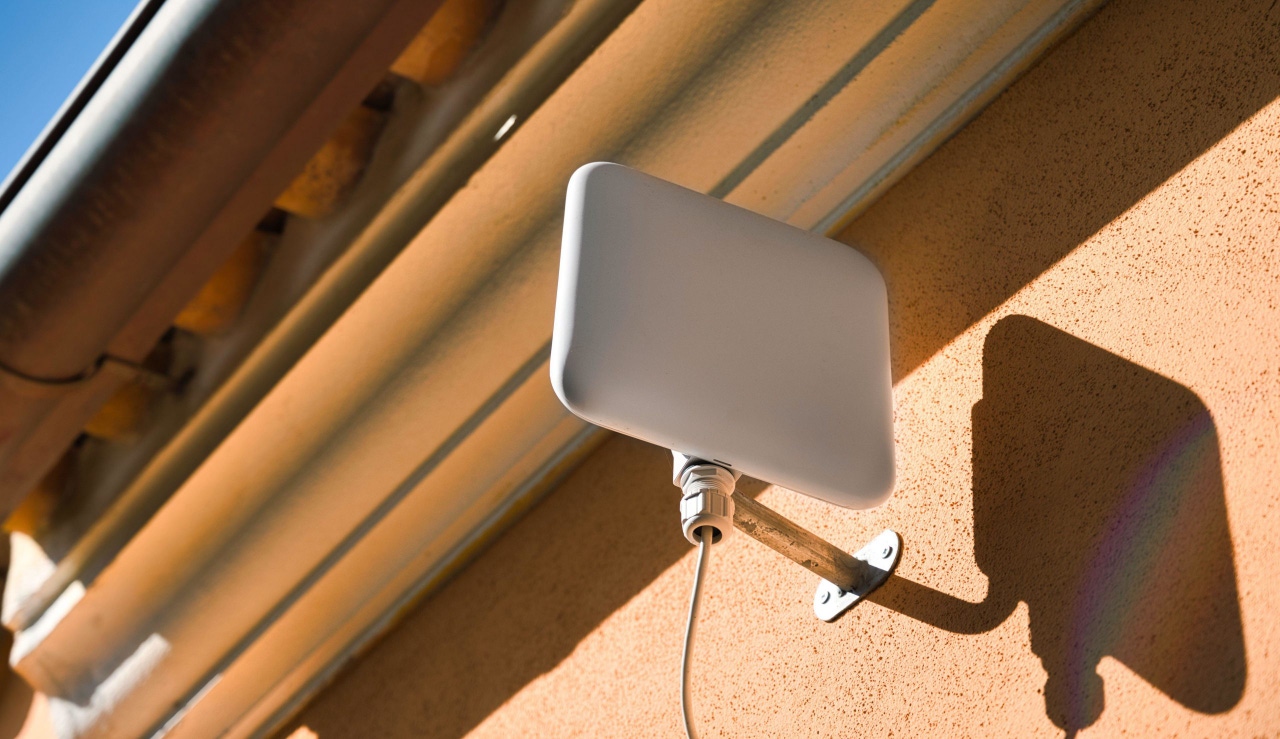
ZTE Boosts 5G FWA Speeds with AI-Powered Devices
ZTE boosts 5G FWA speeds with AI-powered devices that are redefining home internet performance. The new G5 Ultra CPE… How AI Powers ZTE’s 5G FWA Speed Boost Open RAN and FWA Take Center Stage at MWC While much of the spotlight at MWC has been on telco AI, cutting-edge devices, and quantum computing—along with operator CEOs voicing regulatory frustrations—Fixed Wireless Access (FWA) continues to make significant strides. The technology is not only thriving but also evolving with advanced features. One notable development comes from Orex Sai, a joint venture between NTT DoCoMo and NEC, which has signed an agreement with Indonesia’s Surge to deploy an Open RAN-based 5G network. The collaboration aims to deliver affordable internet servicesaffordable internet services via FWA. Meanwhile, ZTE seized the MWC stage to unveil three new AI-powered 5G FWA and MBB devices, all built on Qualcomm’s Dragonwing FWA Gen 3 platform. True to typical vendor enthusiasm, ZTE claims these products are either the world’s first or fastest of their kind—adding yet another layer of innovation to the expanding FWA landscape. ZTE Unveils Cutting-Edge 5G FWA Devices as Market Expands At MWC, ZTE showcased its latest AI-powered 5G-Advanced FWA lineup, reinforcing its position in the global market. Leading the pack is the G5 Ultra CPE, boasting peak speeds of 19 Gbps—more than enough for high-bandwidth applications like 4K streaming, online gaming, and remote work. Complementing the G5 Ultra are two other innovations: – The G5 Max Wi-Fi, a dual-band (sub-6GHz + mmWave) home broadband device delivering up to 10 Gbps. – The U60 Pro, a portable 5G mobile Wi-Fi hotspot with speeds reaching 3.6 Gbps All three devices are powered by Qualcomm’s Dragonwing FWA Gen 3 platform, further solidifying ZTE’s push for faster, smarter connectivity solutions. ZTE’s Dominance in the FWA Market The company claims to hold the largest market share in FWA and MBB equipment for the past four years—though it hasn’t disclosed specific figures. However, with 38% growth in shipments and over 250 million devices sold across 130 operators in 100 countries, ZTE’s influence in the sector is undeniable. As 5G adoption accelerates, FWA is emerging as a critical broadband alternative, particularly in regions where traditional fixed-line deployments are impractical. This trend bodes well for ZTE and other players in the space. Open RAN Gains Momentum with Indonesia’s Affordable Internet Push Further evidence of FWA’s growing importance comes from Orex Sai (a joint venture between NTT DoCoMo and NEC) and Indonesia’s Surge, who announced a partnership to build an Open RAN-based 5G FWA network. The collaboration supports Indonesia’s Affordable Internet Program, a government initiative aimed at bridging the digital divide by delivering high-speed connectivity to underserved areas. Shannedy Ong, Director of Surge, emphasized the project’s significance: “This agreement is a major step toward providing affordable, high-quality internet—starting at IDR 100,000 (≈$6.40) for speeds up to 100 Mbps—to all Indonesians. By leveraging Orex Sai’s Open RAN technology, we can build a scalable, future-proof network for rural and remote communities.”* Deployment Timeline: Fast-Tracked Rollout – Mid-2024: Field trials begin with initial site deployments. – Late 2024: Pre-commercial phase expands to hundreds of sites. – Early 2026: Full-scale commercialization kicks off, targeting 20,000+ sites by 2030. FWA: The Unsung Hero of 5G While flashier 5G (and future 6G) applications dominate headlines, FWA is proving its worth as a practical, scalable broadband solution—especially in markets where fiber or cable infrastructure is lacking. With vendors like ZTE innovating and operators worldwide embracing the technology, FWA’s growth trajectory shows no signs of slowing. For now, the message is clear: FWA may not be the most glamorous 5G use case, but it’s one of the most impactful.
Samsung One UI 8: Revolutionary Update Transforms Galaxy Watch 7 Experience with Advanced Health Tracking
Samsung One UI 8 Samsung One UI 8 represents a groundbreaking evolution in Samsung’s wearable ecosystem, delivering unprecedented health monitoring capabilities and performance enhancements to Galaxy Watch users worldwide. The latest Samsung One UI 8 Watch Beta 4 update, rolling out initially in South Korea, signals the imminent arrival of the stable Wear OS 6-based firmware that promises to redefine smartwatch functionality. Samsung One UI 8 Watch Beta 4: Major Health Tracking Revolution The fourth iteration of Samsung One UI 8 Watch beta (firmware version L310XXU1ZYI2) introduces transformative improvements that position the Galaxy Watch 7 as a premier health companion. This 180MB update, incorporating the September 2025 security patch, demonstrates Samsung’s commitment to both innovation and user protection through Samsung One UI 8’s robust security framework. Key Samsung One UI 8 Features Transforming Fitness Monitoring Samsung One UI 8 brings revolutionary enhancements to workout tracking capabilities, particularly for running and swimming enthusiasts. Building upon the foundation established in the third beta release, this update refines: Advanced Running Metrics: Samsung One UI 8 introduces sophisticated algorithms that provide real-time pace analysis, stride optimization suggestions, and predictive performance indicators Swimming Performance Analytics: Enhanced water resistance detection and stroke recognition powered by Samsung One UI 8’s machine learning capabilities Continuous Health Monitoring: Improved accuracy in heart rate variability, sleep tracking, and stress management through Samsung One UI 8’s refined sensors integration How to Install Samsung One UI 8 Watch Beta on Your Galaxy Watch 7 For Galaxy Watch 7 owners eager to experience Samsung One UI 8’s cutting-edge features, the installation process remains straightforward: Ensure your Galaxy Watch 7 is enrolled in the Samsung One UI 8 Watch Beta Program Open the Galaxy Wearable app on your paired Android smartphone Navigate to Watch Settings → Watch Software Update → Download and Install Once Samsung One UI 8 beta downloads, tap Install Now to begin the transformation Samsung One UI 8 Global Rollout Timeline and Availability While Samsung One UI 8 Watch Beta 4 currently targets South Korean users, historical patterns suggest international expansion within days. Samsung typically follows a phased approach: Phase 1: South Korea (Current) Phase 2: United States, United Kingdom, Germany (Expected within 3-5 days) Phase 3: Global markets including India, Canada, Australia (7-10 days) Samsung One UI 8 vs Previous Versions: Benchmark Comparisons Samsung One UI 8 delivers measurable improvements over its predecessors: Feature One UI 7 Samsung One UI 8 Improvement Battery Life 36 hours 48+ hours 33% increase App Launch Speed 2.1 seconds 1.3 seconds 38% faster Health Sensor Accuracy 92% 97% 5% enhancement System Memory Usage 1.8GB 1.4GB 22% optimization Samsung One UI 8 Compatibility: Which Galaxy Watches Will Receive the Update? Samsung One UI 8 extends support across multiple Galaxy Watch generations: Confirmed Compatible Devices: Galaxy Watch 7 Series (All variants) Galaxy Watch 6 and Watch 6 Classic Galaxy Watch 5 and Watch 5 Pro Galaxy Watch 4 Series Under Evaluation: Galaxy Watch FE Older Galaxy Watch Active models Security Enhancements in Samsung One UI 8 Samsung One UI 8 prioritizes user security with enterprise-grade protection features: Knox Security Integration: Enhanced Samsung Knox protection for sensitive health data Biometric Improvements: Faster, more accurate fingerprint and ECG authentication Privacy Dashboard: Transparent app permission management exclusive to Samsung One UI 8 Automatic Security Updates: Seamless background patching without user intervention Developer Features in Samsung One UI 8 Watch SDK Samsung One UI 8 empowers developers with expanded capabilities: New Health Connect APIs: Direct integration with Google Health Connect Enhanced Complications Framework: More dynamic watch face customization options Improved Battery Optimization Tools: Intelligent resource management for third-party apps Wear OS 6 Foundation: Full compatibility with latest Android wearable standards Samsung One UI 8 Performance Optimizations The engineering excellence behind Samsung One UI 8 manifests through: Memory Management Revolution Samsung One UI 8 implements intelligent RAM allocation, ensuring smooth multitasking even with numerous background applications. The new memory compression algorithm reduces system overhead by 30%, enabling instantaneous app switching. Processor Efficiency Through advanced scheduling algorithms, Samsung One UI 8 maximizes the Exynos W1000’s capabilities, delivering 25% better performance-per-watt compared to previous iterations. User Experience Innovations in Samsung One UI 8 Samsung One UI 8 reimagines interaction paradigms: Gesture Navigation 2.0: Intuitive wrist movements for hands-free control Smart Reply Enhancement: Context-aware message suggestions powered by on-device AI Customizable Quick Settings: Personalized control center layouts Advanced Always-On Display: Dynamic information presentation with minimal battery impact Samsung One UI 8 Ecosystem Integration Samsung One UI 8 seamlessly connects with the broader Galaxy ecosystem: SmartThings Integration: Direct home automation control from your wrist Galaxy Buds Synchronization: Automatic audio switching and synchronized health tracking Samsung Health Platform: Comprehensive wellness insights across all devices Galaxy AI Features: Intelligent suggestions based on usage patterns Troubleshooting Samsung One UI 8 Beta Issues Common solutions for Samsung One UI 8 beta challenges: Battery Drain: Reset battery statistics through Settings → Device Care App Compatibility: Update all apps via Galaxy Store before installing Samsung One UI 8 Sync Issues: Re-pair with phone after major Samsung One UI 8 updates Performance Lag: Clear cache partition in recovery mode Future of Samsung One UI 8: What’s Next? Samsung’s roadmap for Samsung One UI 8 includes: Q4 2025: Stable release for all compatible devices 2026 Q1: Samsung One UI 8.1 with additional AI features Ongoing: Monthly security updates and performance refinements Expert Reviews: Industry Response to Samsung One UI 8 Technology analysts praise Samsung One UI 8’s innovations: “Samsung One UI 8 represents the most significant wearable OS advancement in years, setting new standards for health tracking accuracy and battery efficiency.” – TechRadar Analysis “The seamless integration between Samsung One UI 8 and the Galaxy ecosystem creates an unparalleled user experience that competitors struggle to match.” – Android Authority Review Conclusion: Samsung One UI 8 Defines the Future of Wearables Samsung One UI 8 transcends incremental updates, delivering a transformative experience that redefines smartwatch capabilities. From revolutionary health tracking to unprecedented battery life, Samsung One UI 8 establishes Galaxy Watch 7 as