
Introduction: Telecommunication Technician Jobs In a world where communication bridges distances and connects lives, telecommunication technicians serve as the architects of this seamless connectivity. These skilled professionals ensure that the networks we rely upon to communicate remain robust and operational. However, telecommunication technician jobs are not confined to a single role. From establishing wireless connections to safeguarding data integrity, an array of diverse roles awaits those who seek to forge a career in this dynamic field. The Expansive Realm of Telecommunication Technician Jobs Telecommunication technician jobs are as diverse as the technologies they encompass. In a landscape that evolves with each technological leap, these roles cater to distinct facets of the communication spectrum. Let’s explore some of the exciting career paths that telecommunication technicians can pursue. 1. Network Installation and Maintenance Technician (Telecommunication Technician Jobs) The role of a Network Installation and Maintenance Technician stands as a crucial pillar, essential for establishing and maintaining the intricate networks that power our interconnected world. Role Overview: A Network Installation and Maintenance Technician is a skilled professional responsible for the design, installation, configuration, and ongoing maintenance of communication networks. These networks form the backbone of modern communication, facilitating the seamless flow of data, voice, and multimedia across various platforms. Key Responsibilities: Skills and Qualifications: 2. Wireless Communication Technician The role of a Wireless Communication Technician shines as a specialist in creating and maintaining the invisible yet vital networks that enable wireless connectivity across the modern landscape. Role Overview: A Wireless Communication Technician is a skilled professional dedicated to designing, implementing, and maintaining wireless networks that allow devices to communicate without the need for physical cables. These networks serve as the backbone for various technologies like smartphones, Wi-Fi routers, and even emerging IoT devices. Key Responsibilities: Skills and Qualifications: 3. Fiber Optic Technician Within the realm of telecommunication technician jobs, the role of a Fiber Optic Technician stands as a specialist in working with fiber optic cables—the delicate threads that carry information at the speed of light, forming the backbone of modern high-speed communication systems. Role Overview: A Fiber Optic Technician is a skilled professional responsible for the installation, maintenance, and repair of fiber optic cables used in communication networks. These cables, made of thin glass or plastic fibers, transmit data using light pulses, enabling high-speed and reliable data transfer over long distances. Key Responsibilities: Skills and Qualifications: 4. Network Security Technician With cyber threats becoming increasingly sophisticated, network security technicians protect communication systems from breaches and attacks. They implement security measures, monitor network activity, and respond swiftly to any potential threats. A Network Security Technician shines as a guardian responsible for protecting communication networks from cyber threats and ensuring the confidentiality, integrity, and availability of sensitive information. Role Overview: A Network Security Technician is a skilled professional entrusted with establishing, monitoring, and enhancing security measures within communication networks. These measures are essential to shield networks from unauthorized access, data breaches, and cyberattacks, ensuring uninterrupted and secure communication. Key Responsibilities: Skills and Qualifications: 5. VoIP Technician Voice over Internet Protocol (VoIP) has revolutionized communication. VoIP technicians specialize in setting up and maintaining VoIP systems, ensuring clear and reliable voice communication over the Internet. The role of a VoIP (Voice over Internet Protocol) Technician takes center stage as a specialist in managing and optimizing voice communication services that leverage the power of the internet for crystal-clear voice conversations. Role Overview: A VoIP Technician is a skilled professional responsible for designing, implementing, and maintaining VoIP systems that enable voice communication over the Internet. These systems replace traditional phone lines, offering cost-effective and versatile voice services. Key Responsibilities: Skills and Qualifications: 6. Satellite Communication Technician Satellite communication technicians focus on the complex systems that facilitate communication via satellites. They ensure that signals transmitted to and from satellites are strong, stable, and interference-free. The role of a Satellite Communication Technician shines as a specialist in establishing, maintaining, and optimizing communication systems that bridge vast distances through satellites, enabling global connectivity and information exchange. Role Overview: A Satellite Communication Technician is a skilled professional responsible for the setup, maintenance, and troubleshooting of communication systems that utilize satellites to transmit data, voice, and multimedia across extensive geographical areas, including remote and challenging terrains. Key Responsibilities: Skills and Qualifications: 7. Radio Frequency (RF) Technician RF technicians manage the radio frequencies used in communication systems. Their expertise ensures optimal signal strength and prevents interference, thereby contributing to clear and efficient communication. The role of a Radio Frequency (RF) Technician emerges as a specialist in managing and optimizing the radio frequencies that carry information through the airwaves, forming the backbone of wireless communication systems. Role Overview: A Radio Frequency (RF) Technician is a skilled professional responsible for designing, installing, and maintaining wireless communication systems that operate on radio frequencies. These systems encompass a wide range of technologies, including mobile networks, Wi-Fi, radar, and satellite communication. Key Responsibilities: Skills and Qualifications: 8. Broadcast Technician Broadcast technicians work in the realm of media, ensuring that television and radio broadcasts reach audiences without a glitch. They operate and maintain equipment, guaranteeing high-quality transmission. The role of a Broadcast Technician emerges as a specialist in operating, maintaining, and troubleshooting the complex equipment used in television and radio broadcasting. These professionals ensure that audio and visual content reaches audiences with impeccable clarity and quality. Role Overview: A Broadcast Technician is a skilled professional responsible for setting up, operating, and maintaining the equipment necessary for broadcasting audio and visual content. They work behind the scenes to ensure that television and radio broadcasts run smoothly and that audiences receive high-quality content. Key Responsibilities: Skills and Qualifications: 9. Telecommunication Support Specialist Support specialists are the front-line troubleshooters who assist users and clients facing technical issues. They provide remote assistance, resolve problems, and offer guidance to ensure smooth communication experiences. The role of a Telecommunication Support Specialist emerges as a troubleshooter and problem solver, providing technical assistance to users and clients facing communication-related challenges. Role Overview: A Telecommunication Support

Airtel Africa’s Strategic Move: Debt Reduction and Cost Efficiency through Share Buyback
Airtel Africa, as part of its share buyback plan initiated in February 2024, has repurchased 8.6 million ordinary shares from Citigroup Global Markets Limited. The primary objective of this program, as stated by the second largest mobile network operator in Nigeria, is to trim down its share capital, consequently alleviating Airtel’s debt obligations and the escalating costs of its operations, which have experienced a recent surge. Segun Ogunsanya, the CEO of Airtel Africa, underscores that the company’s businesses have been generating significant cash, prompting the board’s decision to launch the share buyback initiative. Ogunsanya emphasizes that the board perceives the repurchase of its shares as a compelling employment of its capital, especially considering the Group’s robust long-term growth prospects. The share buyback program commenced on March 1, 2024, aiming to repurchase $100 million worth of the company’s shares within a 12-month period. This program is segmented into two tranches, with the first tranche amounting to $50 million, set to run for 7 months, spanning from March to August 2024. In the latest transaction between Airtel and Citigroup, the company repurchased 487,985 ordinary shares at a weighted average price of £103.94 ($131.70) per share. Airtel Africa has grappled with profitability challenges, primarily stemming from macroeconomic difficulties in Nigeria, its largest market on the continent. The company’s financial statements reveal a 21.96% decline in revenue to $1.24 billion in December 2023 from $1.59 billion, attributed to the depreciation of the naira affecting Airtel’s conversion rates. To mitigate its high operating costs, Airtel has recently outsourced a significant portion of its tower operations to IHS Towers. Additionally, the share buyback program serves as a mechanism for the company to curtail its debt obligations while exploring other avenues to sustain profitability amidst these challenges.

10 Roles and Career Prospects in Telecommunication Engineering Jobs in US
Introduction The maintenance of phone networks and broadband communications systems is largely dependent on telecommunication engineers, who are experts in electrical and electronics engineering; this content will cover every part of telecom engineering as it is practiced in the US, including job descriptions, duties, necessary skills, and prospects for professional growth in this fast-paced sector. Job Role of a Telecommunication Engineer Because they make sure that connections are flawless, telecommunication engineers are becoming more and more important in our increasingly connected world, below is a summary of their main duties. Engineers of Telecommunication Systems: Telecommunication engineers play a pivotal role in overseeing telecommunication systems to ensure their proper functioning, such as voice and data networks, to keep voice conversations uninterrupted while data communication runs efficiently. Providing Technical Advice: To provide businesses with the best advice possible, these specialists stay up to date in changing industry trends and emerging technology, offering insightful technical guidance on telecom systems that enable businesses to make informed decisions about their communication infrastructure. Meet User Needs: Telecommunication engineers can identify user requirements and leverage existing technology to address them effectively, by closely collaborating with end customers, they aim to fully understand their specific needs and customize communication solutions accordingly. Documentation: Documenting every aspect of a telecommunication engineer’s work is vital to their job responsibilities, they document plans, user requests, feedback activities, and reports to maintain transparency and ensure accountability for clients and stakeholders. Resource Allocation and Network Design: Telecommunication engineers use resource allocation and network design techniques to optimize communication systems, such as allocating resources efficiently while programming features that enhance them, designing networks efficiently, and designing cost-effective network configurations. Performance Evaluation of Telecommunication Systems: Engineers in the telecom industry are always trying to assess the performance of their systems; in order to identify areas for improvement and to expand overall capabilities, they routinely evaluate system capabilities. Coordination: Engineers are essential in coordinating telecom activities to align them with organizational standards and meet organizational goals, and working closely with various teams and departments to ensure all activities align with organization-wide goals and standards for optimal telecommunication services. Budgeting: Telecommunication engineers often must prepare budgets for purchasing electronic equipment and oversee its purchase, striking an optimal balance between cutting-edge tech acquisition and controlling costs effectively. Although there are many different responsibilities in telecommunication engineering, installing and maintaining telecom devices and networks is still its major duty, and experts in this field examine newly purchased electrical equipment before supplying specifications or evaluating errors. Many opportunities for telecommunication engineering are offered by US government agencies, which focus primarily on developing secure communication systems, federal electronic gadgets, and satellites. Career Opportunities and Trends in Telecommunication Engineering Jobs in the US 1. Educational Requirements: Most employers prefer applicants with either a Bachelor’s or an Associate’s degree in information technology, electronics repair, or similar programs as an entry requirement and prior telecommunication experience can also prove helpful. 2. Certifications: Industry-recognized certifications such as CCNA (Cisco Certified Network Associate) and CCNP (Cisco Certified Network Professional), which validate networking knowledge, are invaluable assets. 3. Network Design and Installation: Experts in wireless LAN/WWAN configuration are crucial for network design and installation. 4. Software Proficiency: Telecommunication engineers must possess expert knowledge of all software related to telecommunication systems, including an understanding of various operating systems and network software packages. 5. Technical Knowledge: For success in this industry, extensive knowledge of internet protocols and network hardware is indispensable. Telecom engineers with these qualifications and abilities are well-equipped to succeed in an unpredictable, competitive industry like telecom. Top Ten Telecommunication Engineering Jobs Available Now in the USA Technological innovations and an ever-increasing need for seamless communications propel the telecommunication industry’s growth in the USA. Below, we list 10 Telecommunication Engineering Jobs Available Now in America: 1. Telecommunications Technician: Responsibilities: Installing, upgrading, and modifying telecom systems and equipment; conducting diagnostic tests to check network integrity; Job Outlook: According to BLS forecasts, telecom operator jobs should see a minimal job decrease of approximately 4-6% between 2012-2022, indicating an attractive career path for this occupation. 2. Telecommunications Operator: Responsibilities: Act as the liaison between companies and customers by responding to customer queries, routing calls efficiently, providing information regarding products or services, and answering questions about products/services provided. Job Outlook: As multi-access edge computing and private cellular networks continue to increase their adoption, job prospects for telecom operators grow. 3. Telecommunications Manager: Responsibilities: Oversee and manage an organization’s communication infrastructure by overseeing devices to ensure seamless operations, configuring LAN/WAN systems as necessary, and overseeing network software/hardware components. Job Outlook: By supervising the design, execution, and optimization of telecommunications networks, telecom managers play a crucial part in preserving effective corporate communication systems, they oversee the integration of the latest technologies in order to improve overall operational efficiency in addition to guaranteeing uninterrupted connectivity. 4. Fiber Maintenance Support Engineer: Responsibilities: They install and maintain fiber optic cables, internet connectivity, and telecom devices across different service providers in multiple facilities. Job Outlook: With the growth of the U.S. fiber optic market comes an increased need for fiber maintenance support engineering experts. 5. Digital ICT Manager: Duties include providing expert advice and technological solutions, adhering to best technology practices, and implementing business solutions. Job Outlook: As organizations look for ways to optimize their technology infrastructures, digital ICT managers remain in high demand. 6. Electronics Engineer: Responsibilities: Involves Planning, designing, developing, testing, and maintaining electronic devices – such as broadcast and communication systems. Job Outlook: Electronic engineers are projected to experience a 7% employment gain, according to the Bureau of Labor Statistics, reflecting how heavily electronic devices rely on telecom devices. Hence, the BLS projects an increase in this occupation’s demand by 2017. 6.1 7. Network Planning Engineer Responsibilities: Administering internal and external networks as well as designing computer networks within organizations. Job Outlook: Network planning engineers are essential in maintaining computer network efficiency and reliability. 8. Telecom Systems Engineer (TSE): Responsibilities: Ensuring network security, performance, and design; overseeing the integration of telecom devices and services into networks. Job Outlook: Telecom systems engineers with promising career prospects are integral to I.T. infrastructure. 9. Technical Support Engineer (TSE): Responsibilities: Configuring and installing computer systems, diagnosing and resolving software and hardware issues, and providing technical assistance. Job Outlook: As telecom markets expand rapidly,
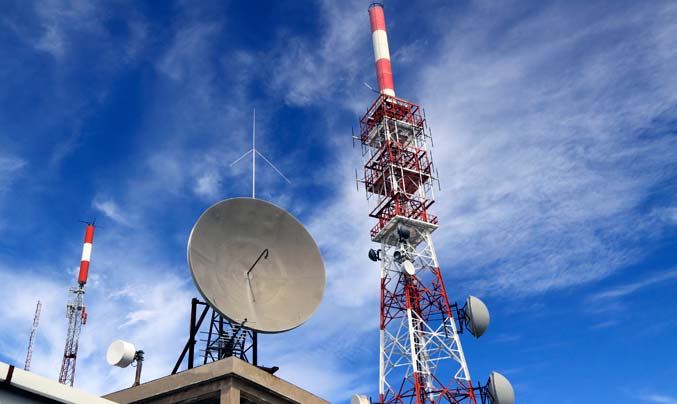
Affordable Telecommunication Services For Small Businesses In Nigeria.
Are You Searching For Affordable And Reliable Telecommunication Services in Nigeria? Finding reliable yet cost-effective telecom providers may seem impossible at times – here we explore some of the top and most economical telecommunication options that cater specifically to small businesses in Nigeria. Affordable telecom services for small businesses in Nigeria 1. MTN Business MTN Business is one of the premier telecom service providers in Nigeria, providing small businesses with affordable data plans, voice calls and messaging services tailored specifically for them. Plus they even have their own account manager who will assist them should any problems arise! 2. Airtel Business Airtel Business is another popular Nigerian telecommunication service provider offering affordable voice and data plans as well as cloud storage solutions and video conferencing services to small businesses. Furthermore, this telecommunication provider also provides its users with a dedicated account manager to assist with any technical problems that might arise. 3. Glo Business Glo Business, owned and operated in Nigeria, offers affordable voice and data plans tailored specifically for small businesses in Nigeria. Their plans offer customization of data usage according to individual businesses’ requirements – with flexible plans such as “Flexi”, allowing enterprises to customize data usage as necessary for maximum flexibility. Furthermore, Glo offers value-added services such as cloud storage solutions as well as security measures. 4. 9mobile Business 9mobile Business is an affordable telecom service provider providing voice and data plans tailored specifically to small businesses in Nigeria. Their plans cover everything from unlimited calls and texts across networks nationwide, cloud storage solutions, security measures, and much more! Nigeria boasts numerous cost-effective telecommunication service providers that specialize in catering to small businesses, with options ranging from network coverage, cost, and customer service to value-added services and value propositions. By choosing an ideal provider, small businesses can rely on reliable yet economical telecom services that help their growth and success. 5. Smile Business Smile Business is an affordable and reliable 4G LTE broadband Internet Service Provider in Nigeria that specializes in affordable Internet plans tailored towards small businesses. They provide access to unlimited data usage plans with fast internet speeds for greater connectivity between staff, clients, and customers while offering additional value-added services such as free installation and technical support for improved connectivity and business operations. 6. Spectranet Business In Nigeria, Spectranet Business stands out as another leading 4G LTE broadband internet service provider offering affordable and dependable internet solutions tailored to small businesses specific requirements – like flexible data plans designed specifically to fit each company. Plus they also provide value-added services, like installation support. 7. Ntel Business: Ntel Business in Nigeria provides affordable and reliable 4G LTE broadband Internet solutions tailored specifically for small businesses. Their data plans feature unlimited usage at fast internet speeds allowing companies to easily remain in contact with clients and customers while staying productive at work. Plus they offer value-added services, like installation assistance and technical support! These providers provide small businesses in Nigeria with reliable and cost-effective telecommunication solutions at an affordable cost, giving them the edge they need for growth and success. It’s crucial that businesses select a provider with tailored services specifically for them as well as value-added features like free installation and technical support; then select their ideal service provider from this list for optimal telecommunication solutions that help their growth and expansion.

Future Trends in Mobile Device Management: What Should Be Done Now?
Importance of Mobile Device Management (MDM) Mobile devices have recently become an essential tool in business environments and workforces. From smartphones and tablets to laptops and more, these portable devices have quickly become indispensable tools that enhance productivity and efficiency at remote workplaces. Not surprisingly, enterprise mobile devices come with inherent security risks that must be considered when provisioning, managing, and protecting them within corporate environments. Hacking attempts by hackers or theft can compromise critical business data at any point; as a result, IT and security leaders now play an essential role in managing mobile devices to provide safe environments. Understanding the Importance of an Established MDM Platform An effective Mobile Device Management (MDM) platform enables IT and Security departments to securely oversee all company devices, regardless of type or operating system type, while maintaining flexibility and productivity within their workforce. Understanding How MDM Works (What it Does and How it Affects Me) Mobile device management (MDM) can often be seen as simply software. But in fact, MDM is much more than that; it encompasses comprehensive solutions that use software to provision and protect mobile devices while protecting an organization’s valuable resources, such as data. MDM comprises various software products, processes, policies, and security protocols tailored specifically towards managing them effectively and protecting organizational resources like data from being compromised by mobile users. MDM solutions go far beyond device inventory management and provisioning; they also extend protections beyond this to applications, data, and content stored on these devices. Although similar to mobile security and unified endpoint management (UEM), MDM takes an alternative device-centric approach. An MDM program offers employees dedicated work devices like laptops or smartphones as part of the MDM software’s features, or their devices may be remotely enrolled to provide role-based access to enterprise data via secure VPN connections, GPS tracking services, and password-protected applications, ensuring robust data security for employees. MDM software continuously tracks device activity and vital business data. Advanced MDM solutions leverage machine learning and artificial intelligence (AI) to analyze device activities; these tools protect devices against cyber threats like malware. An organization might give each staff member a pre-programmed laptop or smartphone equipped with data profiles, VPN access, and essential applications like MDM, which offers unparalleled control to enterprises who assign such devices; businesses can then track, troubleshoot, or remotely erase device data if theft, loss, or a security breach occurs. Mobile Device Management Administration Policies MDM policies are the cornerstone of organizations managing mobile devices and setting usage restrictions. When configuring and implementing MDM policies, enterprises address several questions concerning: Passcode protection on devices should be enabled for each individual device and default camera functionalities disabled if appropriate; Wi-Fi connectivity must be reliable, customization options offered to devices must meet user preferences, geofencing may also be essential, and so forth are all components of Mobile Device Management Tools to consider when managing widgets remotely. Mobile Device Management includes Several Essential Elements. Device Tracking: Each employee-issued or company device may include GPS tracking capabilities and monitoring programs to allow IT professionals to easily monitor, update, troubleshoot, and report on device statuses remotely. Furthermore, devices may even be locked or erased remotely in case they go missing, are lost, or are stolen. Mobile Management: IT departments are responsible for procuring, deploying, managing, and supporting mobile devices within an organization’s workforce. These involve ensuring devices contain appropriate operating systems and applications for productivity, security, data protection, and backup restoration. Application Security: App wrapping allows IT administrators to add security and management features before deploying apps as containerized programs; such features regulate user authentication, data handling, and file sharing within an app. Identity and Access Management (IAM): Identity and Access Management is integral for secure mobile management. Enterprises use IAM solutions such as single sign-on, multifactor authentication and role-based access controls to administer user identities associated with devices in an efficient manner, allowing fine-grained access controls like single sign-on, multifactor authentication or role-based access controls for devices related to specific users or roles. Endpoint Security: Endpoint security refers to protecting all devices accessing a corporate network, from wearables, IoT sensors and non-traditional mobile phones through antivirus software, network access control tools such as incident response services and URL filtering to cloud security services. Bring Your Own Device (BYOD) and Mobile Device Management Bring Your Own Device (BYOD) is an employee practice where employees use personal mobile devices instead of those issued by an organization for work use. While applying enterprise-level security to personal devices presents challenges, BYOD is becoming increasingly popular among younger workers. Organizations utilize BYOD practices to boost employee satisfaction, productivity and cost-efficiency without incurring extra hardware purchases. Enterprise Mobility Management (EMM). Enterprise Mobility Management, or EMM for short, encompasses more than device control; its scope extends further. EMM solutions feature AI-powered security features which offer real-time insights and alerts regarding various behavioral activities from multiple sources. Unified Endpoint Management (UEM) Unified Endpoint Management (UEM) results from merging and evolving MDM and EMM technologies, meeting more challenges related to IoT security on desktop and other mobile devices than previously possible. Businesses use UEM solutions to safeguard and control IT environments such as smartphones, tablets, laptops and desktops. UEM protects users’ data, such as app content or enterprise information. At the same time, agile UEM systems offer enterprises flexible, scalable solutions tailored specifically for them based on various device platforms and specific needs. Best Practices in Mobile Device Management (MDTM) An effective MDM solution must provide visibility of endpoints, users and any elements within them for users, and visibility into endpoints for management purposes. A reliable MDM software should: Saving Time, Improving Efficiency, Raising Productivity, and Simplifying overall Mobile Management are three best practices when selecting an MDM Solution. Automated Reports: For optimal MDM results, look for solutions with reporting and inventory tools that consolidate device details into user-friendly reports generated automatically without human interference. These reports must be effected without interruption to ensure timely results. Automatic Updates: For optimal MDM capabilities, look for cloud-based platforms offering automatic updates with no extra costs for

11 Best Paying Jobs In Telecommunications Equipment
Telecommunications equipment plays an integral part of today’s communications services and has become an economic powerhouse over recent decades. From routers, devices, and tools that facilitate communications services to satellite dishes that transmit television and radio programs – the industry relies heavily on these pieces of hardware in its operations – as it controls how people connect and transmit information – This sector controls it all – with many top-paying jobs emerging within this sector (Best Paying Telecommunication Equipment Jobs) Top executive professionals often hold high-paying roles across industries such as engineering, telecom equipment, and education. Some opt to pursue an MBA degree to advance their careers and secure leadership roles; however, obtaining a bachelor’s degree can also open doors in this sector. What Are Telecommunication Equipment Components? Telecommunications equipment encompasses an expansive set of communication tools that include phones, radios, computers, and transmission infrastructure such as multiplexers and base transceiver stations. Since the internet grew so quickly in the 1990s, this line between telecom equipment and IT has increasingly blurred. What Are the Advantages of Working in the Telecommunication Equipment Industry? Working in the telecom equipment sector offers many advantages beyond high salaries. Here are just a few reasons that make these jobs highly sought after within this sector: Opportunities for Innovation: The Telecommunications industry is ever-evolving, with new technologies and business management practices appearing each month, so professionals in this field must continuously learn and adapt to changes that arise; creating plenty of possibilities and openings for innovative thinking in this space. Job Security: With global demand for telecom services growing as we become ever more dependent on technology, the demand for professionals working within this field continues to expand – creating job security for those pursuing careers here. Diverse Career Paths: Telecommunications offers diverse career pathways from engineering and technical positions, through management and leadership roles to more versatile engineering roles such as data center operations. This diversity allows professionals to explore various interests while developing multiple areas of skill at once – creating opportunities for advancement as well. Working in the telecom equipment industry can be both exciting and satisfying; offering opportunities for personal and professional advancement within an ever-evolving field. Here Are 20 Great Telecom Companies to Consider Joining These companies not only employ some of the top telecom workers but are also among the highest-ranked. Viasat AT&T Inc T-Mobile US Verizon Nippon Telegraph & Telephone Corp. (NTTYY) Ruby Receptionists China Mobile Comcast Deutsche Telekom Vodafone Group PLC (VOD) Telefonica SA (TEF) American Tower KDDI Corp. GCI General Communication, Inc TDS Telecommunications Corp. America Movil SAB de CV (AMX) Orange SA (ORAN) SoftBank Bharti Airtel Charter Communications Top Paying Jobs in Telecommunications Equipment Here is our compilation of the highest-paying positions within the telecom equipment industry that could not have been created without assistance from sources like BLS.gov, ZipRecruiter, Glassdoor, and Zippia; Best Paying Jobs in Telecommunications Equipment Average Annual Salary 1. Database Architect $123,430 2. Computer and Information Systems Managers $159,010 3. Antenna Engineer $100,260 4. Cloud Architect $195,124 5. Telecommunication Manager $90,900 6. Computer Network Architects $120,520 7. Instrumentation and Control Design Engineer $92,464 8. IC Design Engineer $128,912 9. Wireless Communications Engineer $92,119 10. Broadband Engineer $87,053 11. Telecommunication Line installers $39,090 – $108,380 One of the Highest Paying Jobs for Installing Telecommunications Equipment Telecommunications equipment offers many high-paying jobs. Here are a few examples: 1. Database Architect This position boasts an annual median salary of $123,430 and involves designing, reviewing, and analyzing a business’s database infrastructure. As businesses generate vast quantities of data that need protection from being mishandled or lost entirely, data architects play a vital role. Many sectors such as financial, educational, healthcare, government agencies, and insurance providers regularly hire them and pay well for them. 2. Managers of Computer and Information Systems With an annual median salary of $159,000010, computer systems managers supervise all computer-related aspects for businesses across industries and professions. Their skillset is of critical importance as every firm requires technological improvements – banks, insurers, manufacturers and computer system design sectors typically hire these managers as part of their teams. 3. Antenna Engineer An antenna engineer designs, constructs and manages antennas used by various providers including satellites, radios, vehicles, television, and phone providers as well as communication tools used by companies – making their job essential to both public and private sectors including military forces as well as academic organizations. 4. Cloud Architect This role boasts an annual median salary of $195,124 and oversees all aspects of cloud service provision including problem-solving, design, and implementation. Cloud computing corporations, IT providers, manufacturing firms, tech research labs, video game developers, design firms, and healthcare providers may require cloud architects. 5. Manager, Telecommunication These managers are accountable for designing, configuring, and creating telecom equipment while overseeing its efficient performance among junior employees. Furthermore, they must develop strategic plans as well as budget plans for machinery devices or services provided to clients. 6. Computer Network Architects They specialize in designing and building all forms of data communication networks such as wide area networks (WAN), local area networks (LAN), and intranets for financial, insurance, and telecommunication sectors that frequently hire them with assistance from IT specialists. 7. Instrumentation and Control Design Engineer Engineers specialize in engineering systems design, management, maintenance, installation, and control of devices used in various engineering systems. Their skills are essential in many different areas such as medical technology, electronics manufacturing, and other areas. 8. IC Designer (IC Design Engineer). They are responsible for designing new integrated circuits to be used in communication systems, including transistors, operational amplifiers, capacitors multiplexers, and voltage regulator integrated circuits among others. 9. Wireless Communications Engineer They conduct extensive research, and develop, install, and configure wireless equipment for new devices. 10. Broadband Engineer / Telecom System Installer These engineers typically make an average annual salary of $87,000053. Their job entails installing, repairing, and maintaining telecom systems for companies or governments. 11. Telecommunication Line Installers Maintenance technicians specialize in maintaining and installing cables and communication equipment for construction firms, electric

Satellite Communication Services in the US
Introduction Satellite communication services play a crucial role in connecting people, businesses, and governments across vast distances, enabling seamless and reliable communication regardless of geographic barriers. In the United States, satellite communication services have revolutionized various sectors, including telecommunications, broadcasting, emergency response, and remote sensing. This article explores the significance of satellite communication services in the US, their applications, and the providers that facilitate these vital connections. Understanding Satellite Communication Services Satellite communication services involve the transmission of information through satellites in space. Satellites act as relays, receiving signals from Earth-based stations and retransmitting them to targeted receivers. This technology ensures wide coverage, spanning vast regions or even the entire planet, making it an ideal solution for overcoming geographical limitations. Applications of Satellite Communication Services 1. Telecommunications: Satellite communication services have greatly enhanced telecommunications in the US, particularly in remote and rural areas where terrestrial infrastructure is limited. Satellites enable voice calls, internet connectivity, and data transfers, providing reliable communication services to people in areas that would otherwise be underserved. This technology is particularly critical during natural disasters or emergencies when traditional communication networks may be compromised. 2. Broadcasting: Satellite communication services have revolutionized broadcasting by enabling the distribution of television and radio signals to a wide audience. Direct-to-Home (DTH) satellite television services have gained immense popularity in the US, offering a broad range of channels and high-quality content to viewers across the country. Additionally, satellite radio services provide uninterrupted music and talk shows to subscribers, regardless of their location. 3. Emergency Response: During emergencies, such as hurricanes, earthquakes, or wildfires, satellite communication services become a lifeline for affected communities. Satellites can rapidly establish communication links, facilitating emergency response coordination, and enabling timely dissemination of critical information. Emergency response teams rely on satellite-based communication to maintain situational awareness, coordinate rescue operations, and deliver aid to affected areas. 4. Remote Sensing:Satellites equipped with specialized sensors and imaging technology facilitate remote sensing applications, including weather monitoring, environmental surveillance, and agricultural assessment. These satellites capture valuable data, providing scientists, policymakers, and industries with critical information for making informed decisions. For instance, satellite imagery aids in forecasting severe weather patterns, monitoring deforestation, and assessing crop health, ultimately contributing to improved resource management and disaster preparedness. Key Providers of Satellite Communication Services in the US 1. Intelsat Intelsat is one of the world’s leading providers of satellite communication services, operating a vast fleet of satellites that cover the United States and various regions globally. They offer a range of solutions, including broadband connectivity, maritime communication, aviation services, and government and enterprise solutions. Intelsat’s extensive coverage and expertise make them a reliable partner for both commercial and government entities. 2. SES SES is another prominent provider of satellite communication services, with a strong presence in the US market. They offer an array of services, such as broadcasting, enterprise connectivity, and government solutions. SES is known for its high-capacity satellites and advanced technologies, ensuring reliable and efficient communication for their customers. 3. Viasat Viasat focuses on delivering satellite-based internet services, connecting homes, businesses, and communities in remote areas of the US. Their innovative solutions provide high-speed internet access to underserved regions, bridging the digital divide. Viasat’s offerings include residential plans, business connectivity, and government solutions, catering to a diverse range of users. Conclusion Satellite communication services have transformed the way we connect and communicate in the United States. These services have overcome geographical barriers, enabling reliable telecommunications, broadcasting, emergency response, and remote sensing applications. Through providers like Intelsat, SES, and Viasat, the US has access to a robust network of satellites that deliver essential connectivity and services.
Fiber Optics Cable: Basics
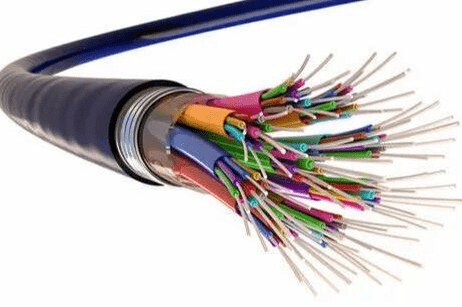
Fiber technology stands for speed, reliability, and efficiency. It is important to understand the basic principles that give power to the world. Let’s go to uncover the “magic of fiber optics.” Learn the Basics of Fiber Optics Fiber optics is a new technology that involves sending data through thin pieces of glass or plastic called optical fibers. These fibers transmit data through light waves, enabling fast and secure communication over long distances. Unlike traditional copper cables, fiber optics have great advantages in terms of bandwidth, speed, and resistance to electrical interference. Key Components At the heart of each fiber optic cable is a core, a small strand of glass that acts as a light signal channel. Around the core is a coating layer that reflects light into the core, preventing signal loss. The outer layer, the protective layer, protects the fragile core and lining from external factors. Light Signals: The Medium of Optical Fibers Information travels at the speed of light. The process starts with a light source, usually a laser or light-emitting diode (LED), which produces a light signal. These signals pass through the cable core and are reflected out due to the total internal reflection. The result is secure and fast data transmission, and fiber optics are the backbone of high-speed internet and mobile networks. Fiber Optics Have Advantages Over Traditional Cables Fiber optics has many advantages over traditional cables. One of the main advantages is the high bandwidth, which allows a large amount of data to be sent at the same time. Optical fiber is not subject to electromagnetic interference, ensuring a stable and reliable connection. The reduction of fiber signals allows data to be transmitted over long distances without loss of quality, which is ideal for long-distance communication networks. Telecommunication Applications The applications of optical fiber in telecommunications are diverse and far-reaching. Fiber networks are the foundation of modern communications infrastructure, supporting everything from high-speed Internet access to smartphone calls. This technology is essential to meet the growing demand for data-intensive services such as cloud computing, online gaming, and video streaming Future Prospects As technology advances, the future of fiber optics looks bright—research and development aimed at improving the efficiency and performance of fiber optic networks. With the emergence of technologies such as 5G, the need for high-speed and low-speed communications will increasingly adopt fiber optics and strengthen its role as the cornerstone of telecommunications. Conclusion In the complex world of modern telecommunications, understanding the basics of fiber optics opens the door to many opportunities. Optical fibers, with their small cores and fast light signals, affect connectivity, interaction, and movement in the digital world. As we continue to push the boundaries of connectivity, the importance of “fiber optic” projects will become even more important to understand and harness the true potential of this groundbreaking technology.
The Importance of Optical Fiber Technology in Telecommunications
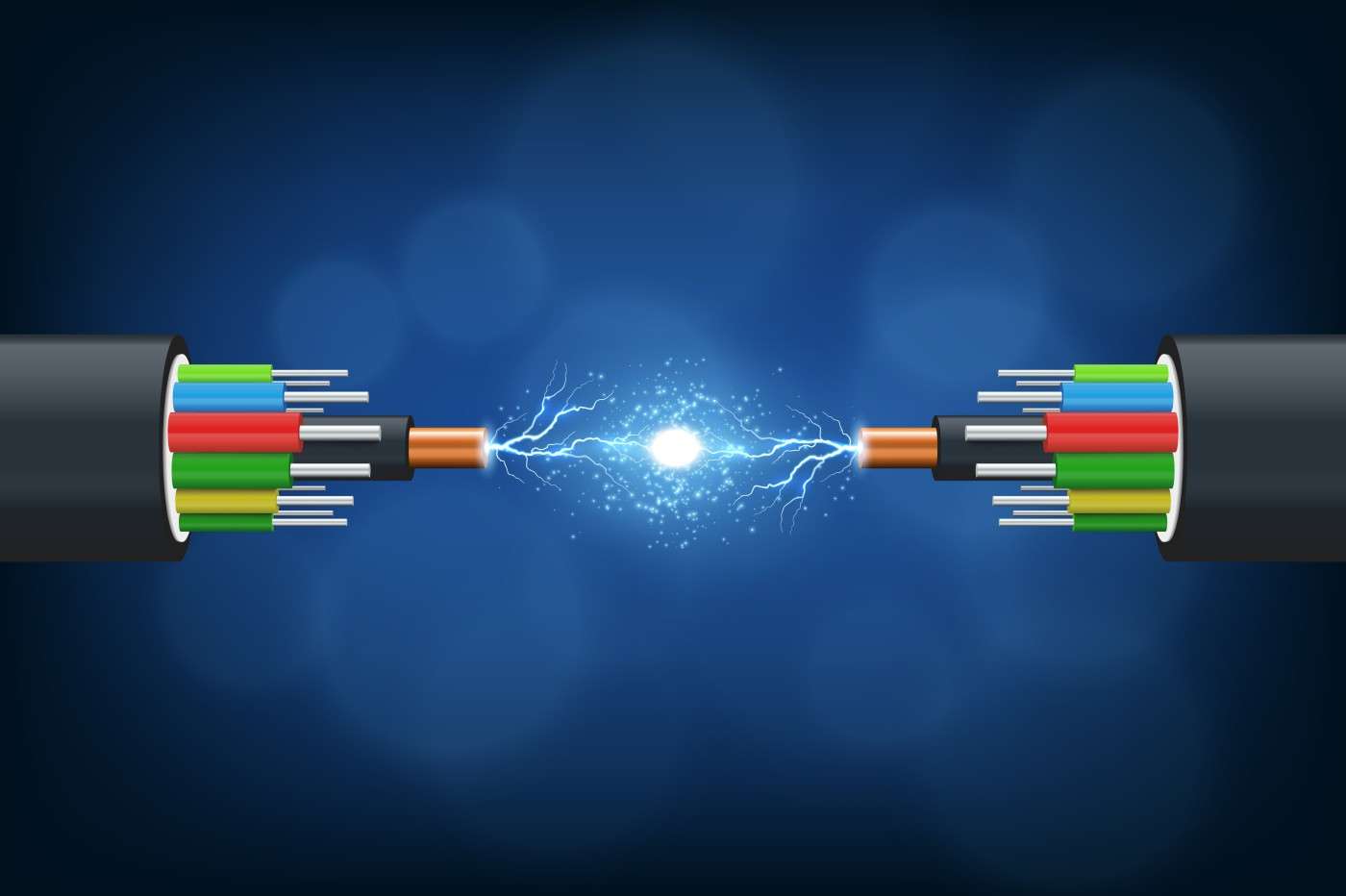
Introduction Fiber or optical fiber technology is widely used in wide area networks (WAN), telecommunications, and data communication systems due to its many advantages. The capabilities of efficient data transfer, power isolation, and noise immunity are the main features that have led to the widespread use of this technology. Today, fiber cables are used to transmit all kinds of data, including images, voice, and data. This technology is based on the concept of light conversion and was successfully tested by Narinder Singh Kampany and Harold Hopkins in 1953. Narinder Singh Kampany coined the term fiber optics and introduced the concept to the audience through his writing in the 1960s. Many commercial fiber-optic connections were built and deployed in the 1970s. They can transfer data at a speed of 45 MB/s. Due to further technological developments, a single strand of optical fiber can transmit speeds of over 100 terabits per second. This shows the ability of fiber cables to meet the increasing demands for bandwidth and speed in the future. Overview of Optical Fiber Technology Optical fiber, or optical fiber, is a flexible fiber of glass or plastic that transmits light from one end to the other. These optical fibers have been widely used in fiber communications, allowing long distances to be transmitted with high-bandwidth (data transfer speed) cables. Optical fibers (optical fiber technology) are used instead of metal cables because fewer signals are lost when traveling over optical fibers. In addition, fiber is not subject to electrical interference, which is a problem with metal cables. Importance of Optical Fiber Technology in Modern Telecommunications Lightning speeds: Fiber optic networks offer extremely high download and upload speeds, far greater than traditional copper networks. Speeds range from 100 Mbps to 10 Gbps for fast data transfer, streaming, and browsing. Ensure a smooth internet experience even during internet-intensive activities such as video conferencing, online gaming, and large file transfers. Greater bandwidth: Fiber cables have a higher bandwidth than copper cables. This means that more devices and users can connect to the network at the same time without significant slowdowns. Fiber optic networks can meet the growing demand for smart homes, Internet of Things (IoT) devices, and other connected technologies. Reliable and stable connection: Unlike copper cables, fiber cables are not subject to electromagnetic interference, which can damage or degrade signal quality; therefore, fiber optic networks provide reliable and stable connections, reducing delays and packet loss. This is important for businesses that depend on an uninterrupted network connection for their operations. Longer transmission distance: Fiber cables can transmit data over longer distances than copper cables. While copper cables experience signal degradation over long distances, fiber optic signals remain strong regardless of distance. This makes fiber-optic networks ideal for connecting geographically dispersed locations, such as branch offices or homes in remote locations. Increased security: Fiber optic networks offer more security than traditional copper cable networks. Because optical cables do not transmit electrical signals, they are very difficult to intercept, making it difficult for hackers and unauthorized persons to access sensitive information transmitted over the network. Fundamentals of Optical Fiber Technology Fiber optics are a unique and amazing medium for communication and transmission. Compared to traditional communication media such as copper wire, microwave, and coaxial cable, optical fiber has many advantages. What is optical fiber? Fiber optics in telecommunications is the science of transmitting data, sound, and images by transmitting light through thin, transparent fibers. It has replaced copper cables on long-distance telephone lines and is used to connect computers to local networks. Optical fiber is basically a hair-thin optical fiber, usually made of plastic but usually made of glass. A typical glass fiber is 125 micrometers (μm) or 0.125 mm (0.005 inch) in diameter. This is exactly the diameter of the outer shade, or reflector. The diameter of the transmission core in the cylinder can be as small as 10 μm. Through a process called total internal reflection, light entering an optical fiber can travel long distances through the core with little attenuation or loss of power. How Optical Fibers Transmit Data Light travels along a fiber-optic cable, repeatedly reflecting off walls. Each tiny photon (a particle of light) bounces around the tube like a bobsleigh down an ice rink. Now, one might expect that a ray of light traveling through a transparent glass tube would only exit at the end. However, when light hits the glass at a very shallow angle (less than 42 degrees), the light reflects into the glass, as if the glass were a mirror. This is a total internal reflection. It’s one of the things that keeps the light inside the tube. Another element that keeps the light within the tube is the construction of the cable, which is made up of two separate parts. The main part of the cable (the center) is called the core and is the part through which light passes. Another layer of glass, called the cladding, is wrapped around the outside of the core. The role of the cladding is to keep the optical signal within the core. This is possible because it is made of a different type of glass than the core. (Technically, the cladding has a lower refractive index.) Types of Optical Fibers There are three types of standard cable optical fibers, which are: A. Single Mode Fiber Optic Cable: A single-mode fiber optic cable has a diameter of 9 microns and provides a single mode (single wavelength) for light propagation, which reduces internal reflections and minimizes attenuation. Single-mode fiber-optic cables are generally used for long-distance network connections and are more expensive than multimode fiber-optic cables. B. Multimode Fiber Optic Cable: Multimode fiber optic cable has a larger core diameter than SMF, meaning that more wavelengths can be accommodated. MMF comes in two sizes: one is 50 microns and the other is 62.5 microns, and it provides multiple paths for light transmission. Multimode fiber optic cables are used to transmit data over short distances in various connections within a local area network, or LAN. C. Plastic Optical Fiber (POF):

Total Lunar Eclipse Blood Moon: Your Complete Guide to 2025’s Most Spectacular Celestial Events
Total Lunar Eclipse Blood Moon The total lunar eclipse blood moon phenomenon continues to captivate skywatchers worldwide, and 2025 has already delivered breathtaking celestial displays. Whether you’re a seasoned astronomer or a curious beginner, understanding these magnificent events will enhance your appreciation of our cosmic neighborhood. What Is a Total Lunar Eclipse Blood Moon? A total lunar eclipse occurs when Earth passes directly between the sun and the moon, casting its shadow across the lunar surface. During totality, the moon transforms into a stunning deep red or copper-colored orb, earning the popular nickname “blood moon.” The remarkable red coloration happens because Earth’s atmosphere acts like a lens, refracting sunlight around our planet. Blue light gets scattered away, while longer red wavelengths bend through the atmosphere and illuminate the moon’s surface. As NASA beautifully explains, “It is as if all of the sunsets of Earth are being cast upon the face of the Moon.” 2025’s Total Lunar Eclipse Blood Moon Events March 13-14, 2025: The Blood Worm Moon (Already Occurred) The first spectacular total lunar eclipse of 2025 graced the skies on March 13-14, visible across the Americas. This event, dubbed the “Blood Worm Moon” due to its timing during the traditional Worm Moon of March, provided millions of viewers with an unforgettable celestial experience. Visibility: Western Hemisphere, including North and South America Peak Timing: Evening of March 13 into early morning March 14 September 7-8, 2025: The Upcoming Blood Moon The second total lunar eclipse blood moon of 2025 is scheduled for September 7-8, 2025. Unfortunately for North American viewers, this eclipse won’t be visible from their location, but the event promises to be spectacular for observers in other regions. Visibility: Europe, Africa, Asia, and Australia Key Details: The moon will rise partially eclipsed and reach totality approximately 45 minutes later For those unable to witness the September eclipse in person, the Virtual Telescope Project will provide a free livestream beginning at 1:45 p.m. EDT (17:45 UTC) on September 7. Why Blood Moons Captivate Us The total lunar eclipse blood moon phenomenon represents one of nature’s most accessible astronomical events. Unlike solar eclipses, which require special viewing equipment, lunar eclipses can be safely observed with the naked eye from anywhere on Earth’s night side. Scientific Significance Blood moons offer valuable scientific opportunities: Atmospheric research through light refraction studies Historical climate data analysis Educational opportunities for astronomy enthusiasts Cultural and historical significance across civilizations How to Observe a Total Lunar Eclipse Blood Moon Essential Viewing Tips No Special Equipment Needed: Unlike solar eclipses, total lunar eclipses are completely safe to view with naked eyes Best Viewing Locations: Dark sky areas away from city lights enhance the experience Photography: Standard cameras can capture the event with proper settings Duration: Total lunar eclipses can last several hours from start to finish Optimal Viewing Conditions Clear, cloudless skies Minimal light pollution Comfortable outdoor viewing setup Binoculars or telescope for enhanced detail (optional) When Is the Next Blood Moon After 2025? While September 2025 marks the final total lunar eclipse of the year for most observers, the wait for the next spectacular blood moon won’t be too long. The next total lunar eclipse visible from North America is expected in March 2026, just 177 days after the September 2025 event. Planning Your Blood Moon Experience Resources for Eclipse Enthusiasts NASA Eclipse Information Time and Date Eclipse Maps Space.com Lunar Eclipse Guide Live Streaming Options When geographical location prevents direct viewing, several organizations provide high-quality livestreams: Virtual Telescope Project (Italy) NASA’s official channels Major planetariums and observatories The Cultural Impact of Blood Moons Throughout history, total lunar eclipse blood moon events have inspired awe, fear, and wonder across cultures. Modern understanding has transformed these celestial events from omens into opportunities for scientific observation and public astronomy education. Preparing for Future Blood Moons The total lunar eclipse blood moon phenomenon offers regular opportunities for cosmic wonder. By understanding the science behind these events and knowing when and where to look, you can ensure you never miss these spectacular natural displays. Mark Your Calendar September 7-8, 2025: Visible from Europe, Africa, Asia, Australia March 2026: Next opportunity for North American observers Future eclipses: Check eclipse prediction websites for upcoming dates Conclusion The total lunar eclipse blood moon remains one of astronomy’s most accessible and awe-inspiring phenomena. Whether you witnessed March 2025’s spectacular display or you’re planning to catch September’s event via livestream, these cosmic events remind us of our place in the vast universe. Stay connected with reliable astronomical resources, plan your viewing experiences in advance, and don’t forget to share the wonder of blood moons with friends and family. After all, the beauty of a total lunar eclipse is best enjoyed when experienced together. For the latest eclipse information and viewing guides, bookmark NASA’s eclipse resources and professional astronomy websites to stay updated on upcoming celestial events.