
iOS 26 Release Date Are you eagerly waiting for iOS 26? Apple’s newest iPhone operating system is generating massive buzz, and for good reason. With a stunning redesign, powerful AI features, and exciting app updates, iOS 26 promises to transform your iPhone experience. Here’s everything you need to know about the iOS 26 release date and what’s coming to your device. (iOS 26 Release Date) When is iOS 26 Coming Out? The official iOS 26 release date is expected to be mid-September 2025, following Apple’s traditional launch schedule. Based on Apple’s historical patterns, the update will likely arrive during the week of September 15, 2025. Apple has consistently followed this timeline for years: 2024: iOS 18 launched on September 9 2023: iOS 17 launched on September 12 2022: iOS 16 launched on September 7 The release will coincide with Apple’s highly anticipated iPhone 17 announcement event, scheduled for Tuesday, September 9, 2025, at Apple Park in Cupertino. Why iOS 26 Instead of iOS 19? You might be wondering why Apple skipped iOS 19-25 entirely. Apple has adopted a new numbering system for 2025, choosing version 26 because iOS 26 will remain the current iPhone operating system until late 2026. This numbering change applies to all Apple’s 2025 operating system releases, including iPadOS 26, macOS Tahoe, and watchOS 26. Major iOS 26 Features to Expect Apple officially announced iOS 26 at WWDC 2025 on June 9, revealing several groundbreaking features: 1. Stunning New Design iOS 26 introduces Apple’s most significant design overhaul in years, bringing fresh visual elements and improved user interface across the entire system. 2. Enhanced Apple Intelligence The update delivers more powerful AI capabilities, making Siri smarter and more contextually aware than ever before. 3. Improved Communication Apps Phone App: New ways to stay connected with enhanced calling features Messages App: Introduction of polls and custom backgrounds for more engaging conversations 4. Updated Core Apps CarPlay: Major improvements for better in-car integration Apple Music: Enhanced listening experience with new features Maps: More accurate navigation and location services Wallet: Additional functionality for digital payments and passes Beta Testing Progress iOS 26 has been in extensive beta testing since its June announcement. Apple has released multiple beta versions to developers and public testers, with Beta 9 being the most recent release as of early September 2025. This extensive testing phase suggests the software is nearly ready for its public debut. iPhone Compatibility While specific compatibility details are still being finalized, iOS 26 is expected to support the same iPhone models as iOS 18, with potential additional optimizations for the upcoming iPhone 17 series. Preparing for iOS 26 As the release date approaches, here’s how to prepare: Back up your iPhone using iCloud or iTunes Free up storage space – iOS updates require significant space Update your apps to ensure compatibility with the new system Charge your device to at least 50% before updating What This Means for iPhone Users iOS 26 represents Apple’s commitment to pushing the boundaries of mobile technology. The integration of advanced AI features, combined with a refreshed design and improved app functionality, will make your iPhone more intuitive and powerful than ever. The timing of the release also suggests that Apple is preparing for major hardware announcements, including the rumored foldable iPhone expected in 2026. iOS 26 may include foundational features that will support future iPhone innovations. Stay Updated With the official release just weeks away, Apple is expected to announce the final release date following their September 9 iPhone event. Keep an eye on Apple’s official channels and your iPhone’s Software Update section in Settings to be among the first to experience iOS 26. The wait is almost over – iOS 26 is set to be one of Apple’s most significant iPhone updates yet, combining cutting-edge technology with user-friendly design improvements that will enhance your daily smartphone experience. Are you excited about iOS 26? Which new feature are you most looking forward to? Let us know in the comments below and don’t forget to bookmark this page for the latest iOS 26 updates!
Broadcom: The AI Powerhouse Driving Toward $1 Trillion Market Cap
Why Broadcom (AVGO) is the Most Talked-About Stock in Tech Right Now In the rapidly evolving landscape of artificial intelligence and semiconductor technology, few companies have captured investors’ attention quite like Broadcom Inc. (NASDAQ: AVGO). With shares that have nearly doubled over the past year and a market capitalization approaching the coveted $1 trillion milestone, Broadcom has positioned itself as an indispensable player in the AI revolution. The VMware Acquisition: A Game-Changing Strategy Broadcom’s most significant move in recent years was its massive $61 billion acquisition of VMware, completed in late 2023. This strategic acquisition has already begun paying dividends, with the company reporting exceptional financial performance in 2025. The integration has been nothing short of remarkable. Broadcom’s infrastructure software business unit, which includes VMware, grew 25% year-over-year in Q2 2025, contributing significantly to the company’s overall revenue growth. However, the acquisition hasn’t been without controversy, as many VMware customers have expressed frustration over subscription cost increases and licensing changes. Record-Breaking Financial Performance Broadcom’s financial results for 2025 have been spectacular: Q2 2025 Revenue: $15 billion (20% year-over-year growth) Net Income: $4.95 billion (124% year-over-year increase) AI Semiconductor Revenue: $4.4 billion in fiscal Q2 (46% year-over-year growth) These numbers represent the company’s strongest performance to date, driven primarily by surging demand for custom AI chips and the successful integration of VMware’s software offerings. The AI Chip Revolution What’s truly driving investor excitement is Broadcom’s position in the AI chip market. The company has secured partnerships with major cloud providers to develop custom artificial intelligence chips, including a mysterious “$10 billion AI customer” that sent shares soaring in recent trading sessions. Currently operating at approximately a $16 billion AI revenue annual run rate, Broadcom is actively working with multiple hyperscale companies to develop next-generation AI solutions. This represents a massive opportunity, as the global demand for AI computing infrastructure continues to accelerate. Key AI Business Highlights: Nine consecutive quarters of substantial AI semiconductor growth Partnerships with major cloud providers for custom chip development Expected 25% EPS growth CAGR through FY27 Strong margins: 65% adjusted operating margin and 52% adjusted net margin Strategic Partnerships and Market Position Broadcom’s success isn’t just about technology—it’s about strategic positioning. The company develops custom chips for tech giants including Google and Apple, placing it at the center of the AI ecosystem. The company’s diversified portfolio includes: Semiconductor Solutions: Custom AI chips, networking chips, and wireless components Infrastructure Software: VMware virtualization, security software, and enterprise solutions Intellectual Property: Licensing revenue from broad patent portfolio Investment Outlook and Analyst Predictions Wall Street analysts remain bullish on Broadcom’s prospects. William Blair maintains an “Outperform” rating, citing the company’s strong positioning in AI chip development and strategic partnerships with cloud providers. Key investment thesis points include: Market Cap Potential: Analysts believe Broadcom could cross the $1 trillion market cap threshold Sustained Growth: Revenue growth expected to remain steady through 2025 and accelerate in 2026 Dividend Strength: Broadcom maintains a strong dividend-paying track record while investing in growth Challenges and Considerations Despite the overwhelming positive momentum, Broadcom faces some headwinds: VMware Customer Retention: Some enterprise customers are exploring alternatives due to pricing changes Custom Silicon Margin Pressure: The ramp-up in custom chip production may pressure gross margins Market Competition: Increased competition in the AI chip space from NVIDIA and other players What’s Next for Broadcom? Looking ahead, Broadcom’s strategy focuses on several key areas: Continued AI Investment: Expanding custom chip development capabilities VMware Integration: Maximizing synergies and customer retention Strategic Partnerships: Deepening relationships with cloud providers and tech giants The company’s management, led by CEO Hock Tan, has consistently delivered on growth promises and appears well-positioned to capitalize on the ongoing AI boom. Conclusion: A Stock to Watch Broadcom’s transformation from a traditional semiconductor company to an AI powerhouse has been remarkable. With record financial performance, strategic acquisitions, and positioning at the center of the AI revolution, the company represents one of the most compelling growth stories in technology today. For investors seeking exposure to both the AI boom and enterprise software markets, Broadcom offers a unique combination of growth potential and dividend income. While the stock trades at premium valuations, the company’s execution track record and massive market opportunity suggest the growth story is far from over. Disclaimer: This article is for informational purposes only and should not be considered investment advice. Always consult with a qualified financial advisor before making investment decisions. For the latest Broadcom news and financial updates, visit the official Broadcom newsroom and investor relations page. Related Links: Broadcom Stock Quote (Yahoo Finance) Broadcom VMware Acquisition Timeline Latest Broadcom Earnings Report
Broadcom Partners with OpenAI for Custom AI Chip Development Set for 2026 Launch
Broadcom, the major U.S. semiconductor company, is collaborating with OpenAI to develop the AI startup’s inaugural artificial intelligence chip, with production scheduled for 2026, according to a Financial Times report published Thursday. The partnership represents a significant milestone for both companies, as OpenAI seeks to reduce its dependence on external chip suppliers while Broadcom expands its presence in the rapidly growing AI semiconductor market. Sources familiar with the arrangement indicate that OpenAI intends to use these custom chips exclusively for internal operations rather than offering them to third-party customers. This strategic approach aligns with the company’s goal of optimizing its AI infrastructure costs and performance. Neither Broadcom nor OpenAI provided immediate responses to requests for comment regarding the partnership details. The collaboration builds on previous reports from last year indicating that OpenAI was working with multiple semiconductor partners, including Broadcom and Taiwan Semiconductor Manufacturing Company (TSMC), to create proprietary AI processing hardware. The initiative also involves incorporating AMD processors alongside existing Nvidia components to address increasing computational demands. Broadcom’s involvement in this project reflects the company’s strategic expansion into AI infrastructure. During Thursday’s earnings call, Broadcom CEO Hock Tan announced expectations for “significant improvement” in artificial intelligence revenue growth for fiscal 2026, following the company’s success in securing over $10 billion in AI infrastructure orders from an unnamed major customer. Tan revealed that a new client became a qualified customer after placing substantial orders in the most recent quarter. Earlier this year, the CEO had mentioned four potential new customers actively engaged in custom chip development discussions, beyond Broadcom’s three established large-scale clients. This OpenAI-Broadcom partnership follows similar strategies employed by tech giants Google, Amazon, and Meta, all of which have developed proprietary chips to manage AI workloads as demand for specialized computing power continues to surge across the industry. For OpenAI, the custom chip development with Broadcom represents a crucial step toward greater independence from current suppliers like Nvidia, potentially offering improved cost efficiency and performance optimization for training and operating advanced AI models like ChatGPT.
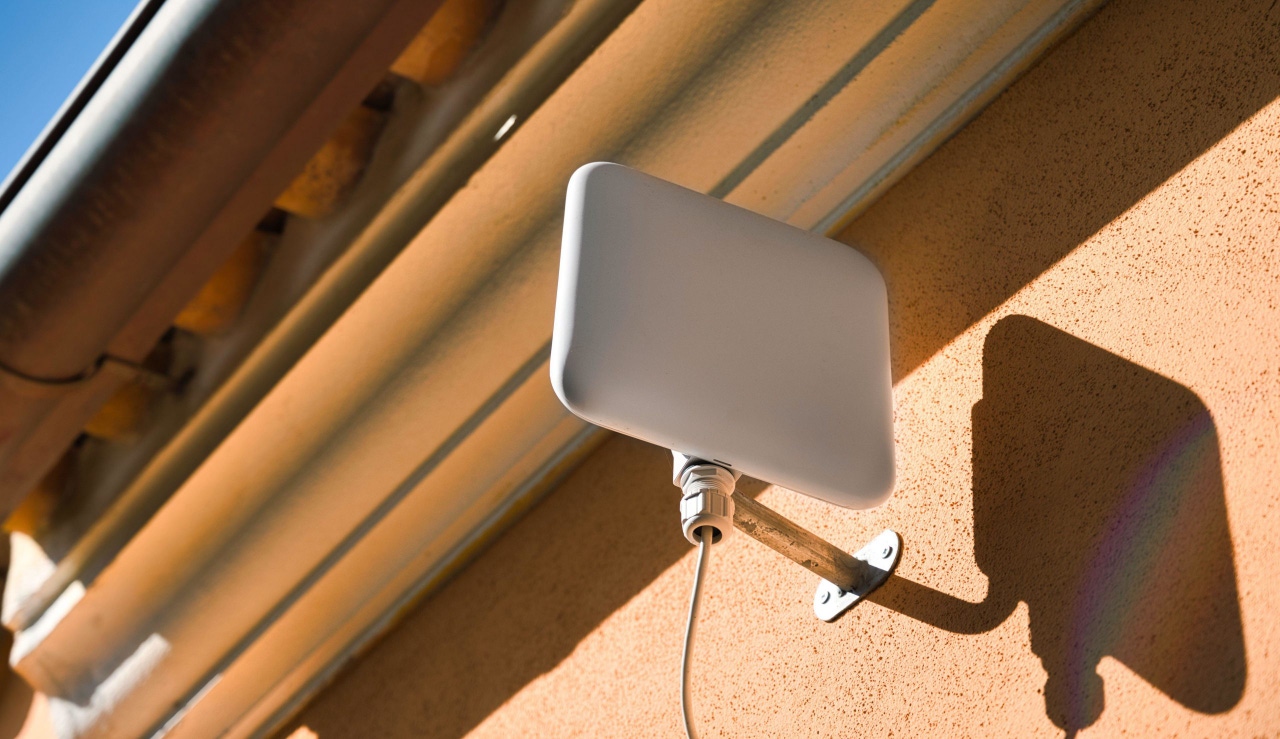
ZTE Boosts 5G FWA Speeds with AI-Powered Devices
ZTE boosts 5G FWA speeds with AI-powered devices that are redefining home internet performance. The new G5 Ultra CPE… How AI Powers ZTE’s 5G FWA Speed Boost Open RAN and FWA Take Center Stage at MWC While much of the spotlight at MWC has been on telco AI, cutting-edge devices, and quantum computing—along with operator CEOs voicing regulatory frustrations—Fixed Wireless Access (FWA) continues to make significant strides. The technology is not only thriving but also evolving with advanced features. One notable development comes from Orex Sai, a joint venture between NTT DoCoMo and NEC, which has signed an agreement with Indonesia’s Surge to deploy an Open RAN-based 5G network. The collaboration aims to deliver affordable internet servicesaffordable internet services via FWA. Meanwhile, ZTE seized the MWC stage to unveil three new AI-powered 5G FWA and MBB devices, all built on Qualcomm’s Dragonwing FWA Gen 3 platform. True to typical vendor enthusiasm, ZTE claims these products are either the world’s first or fastest of their kind—adding yet another layer of innovation to the expanding FWA landscape. ZTE Unveils Cutting-Edge 5G FWA Devices as Market Expands At MWC, ZTE showcased its latest AI-powered 5G-Advanced FWA lineup, reinforcing its position in the global market. Leading the pack is the G5 Ultra CPE, boasting peak speeds of 19 Gbps—more than enough for high-bandwidth applications like 4K streaming, online gaming, and remote work. Complementing the G5 Ultra are two other innovations: – The G5 Max Wi-Fi, a dual-band (sub-6GHz + mmWave) home broadband device delivering up to 10 Gbps. – The U60 Pro, a portable 5G mobile Wi-Fi hotspot with speeds reaching 3.6 Gbps All three devices are powered by Qualcomm’s Dragonwing FWA Gen 3 platform, further solidifying ZTE’s push for faster, smarter connectivity solutions. ZTE’s Dominance in the FWA Market The company claims to hold the largest market share in FWA and MBB equipment for the past four years—though it hasn’t disclosed specific figures. However, with 38% growth in shipments and over 250 million devices sold across 130 operators in 100 countries, ZTE’s influence in the sector is undeniable. As 5G adoption accelerates, FWA is emerging as a critical broadband alternative, particularly in regions where traditional fixed-line deployments are impractical. This trend bodes well for ZTE and other players in the space. Open RAN Gains Momentum with Indonesia’s Affordable Internet Push Further evidence of FWA’s growing importance comes from Orex Sai (a joint venture between NTT DoCoMo and NEC) and Indonesia’s Surge, who announced a partnership to build an Open RAN-based 5G FWA network. The collaboration supports Indonesia’s Affordable Internet Program, a government initiative aimed at bridging the digital divide by delivering high-speed connectivity to underserved areas. Shannedy Ong, Director of Surge, emphasized the project’s significance: “This agreement is a major step toward providing affordable, high-quality internet—starting at IDR 100,000 (≈$6.40) for speeds up to 100 Mbps—to all Indonesians. By leveraging Orex Sai’s Open RAN technology, we can build a scalable, future-proof network for rural and remote communities.”* Deployment Timeline: Fast-Tracked Rollout – Mid-2024: Field trials begin with initial site deployments. – Late 2024: Pre-commercial phase expands to hundreds of sites. – Early 2026: Full-scale commercialization kicks off, targeting 20,000+ sites by 2030. FWA: The Unsung Hero of 5G While flashier 5G (and future 6G) applications dominate headlines, FWA is proving its worth as a practical, scalable broadband solution—especially in markets where fiber or cable infrastructure is lacking. With vendors like ZTE innovating and operators worldwide embracing the technology, FWA’s growth trajectory shows no signs of slowing. For now, the message is clear: FWA may not be the most glamorous 5G use case, but it’s one of the most impactful.

Elon Musk’s Starlink Satellite Communication: How iPhones and Android Phones Can Now Make Calls Anywhere Using Satellites
INTRODUCTION Ever want to call someone from a remote location where even the most reliable cellular networks can’t get through? Elon Musk’s Starlink satellites have made this future concept a reality. Without the need for mobile towers, SpaceX has launched a ground-breaking service that enables iPhones and Android phones to send and receive texts and calls from almost anywhere in the world. This invention is set to change international communication, particularly for people living in isolated locations, explorers venturing into not explored regions, or anyone in an emergency without access to the usual network coverage. This change is primarily due to Elon Musk’s Starlink satellites. Starlink’s extensive network of low Earth orbit (LEO) satellites is helping to bridge the gap between common smartphones and space technologies. This creative concepts service integrates effortlessly with the gadgets you already carry in your pocket, unlike usual satellite phones that need large, specialized hardware. You’re never really off the grid, thanks to Starlink’s satellite communication, whether you’re climbing in the mountains, sailing across the ocean, or stuck in a catastrophe area. For worldwide access, this is a huge leap, not simply a step forward. T-Mobile and other carriers are helping to make Elon Musk’s vision of a connected society a reality. How does it operate, though? What is Starlink Satellite Communication? Fundamentally, Starlink satellite communication is an unprecedented approach of staying connected wherever you are on the planet. In contrast with other mobile phone and internet services, which depend on ground-based infrastructure such as fiber-optic cables and cell towers, Starlink beams signals straight to your device via a network of low Earth orbit (LEO) satellites. This implies that even in the most isolated or underserved locations—locations that standard networks just cannot reach—you may use the internet, make calls, and send texts. How Does It Work? Starlink’s system is powered by thousands of small satellites orbiting the Earth at altitudes much closer than traditional satellites – these satellites form a massive constellation, working together to create a web of coverage that spans the entire globe. When you make a call or send a message, your smartphone connects to the nearest Starlink satellite, which then relays the signal to a ground station or another satellite, ensuring your communication reaches its destination. The real game-changer here is that Starlink’s satellite communication doesn’t require specialized hardware for everyday users. While common satellite phones are bulky, expensive, and limited in functionality, Starlink’s technology integrates with the smartphones we already use—iPhones and Android devices. This makes it accessible to millions of people without the need for additional equipment. Why is This Different? Modern satellite communication systems often suffer from high latency (delay) and limited bandwidth because they rely on satellites orbiting much farther from Earth. Starlink’s LEO satellites, on the other hand, are positioned much closer to the planet, reducing latency and improving speed. This makes the service not only more reliable but also more practical for everyday use, from video calls to streaming. Who Benefits from Starlink Satellite Communication? The applications are vast; for adventurers and explorers, it means staying linked in the wilderness or on the open seas. For rural communities, it’s a lifeline to essential services like healthcare, education, and business. And for emergency responders, it’s a critical tool for coordination during disasters when traditional networks are down. In essence, Starlink satellite communication is more than just a technological advancement—it’s a bridge to a more linked world. By eliminating the barriers of geography and infrastructure, it’s paving the way for a future where no one is left offline. How Starlink Satellite Communication Works for Smartphones One of the most exciting aspects of Starlink satellite communication is that it works with the smartphones we already use—no bulky, expensive satellite phones required. But how exactly does this futuristic technology integrate with everyday devices like iPhones and Android phones? Let’s break it down. Direct Satellite-to-Phone Communication Starlink’s system allows your smartphone to connect directly to its network of low Earth orbit (LEO) satellites. Here’s how it happens: 1. Signal Transmission: When you make a call or send a text, your smartphone sends a signal to the nearest Starlink satellite orbiting overhead. These satellites are much closer to Earth than older satellite systems, which means the signal travels faster and with less delay. 2. Satellite Relay: The Starlink satellite receives your signal and relays it to a ground station or another satellite in the constellation – This network of satellites works together to ensure your message reaches its destination, whether that’s another phone, an internet server, or a emergency response center. 3. Seamless Integration: The magic of Starlink’s technology lies in its ability to work with existing smartphones; unlike older satellite communication systems that require specialized hardware, Starlink’s service is designed to function with the devices already in your pocket. This means you don’t need to buy a new phone or carry extra equipment. Partnerships with Mobile Carriers To make this possible, Starlink has partnered with mobile carriers like T-Mobile – These partnerships allow the satellite network to integrate with existing cellular infrastructure. When your phone is out of range of a cell tower, it can automatically switch to Starlink’s satellite network, ensuring you stay connected even in the most remote areas. What Can You Do with It? Initially, the service focuses on text messaging and basic voice calls, with plans to expand to data services in the future. This makes it ideal for: – Emergency Situations: If you’re stranded in a remote area, you can still call for help. – Outdoor Adventures: Hikers, campers, and sailors can stay in touch even in the wilderness or out at sea. – Rural Communities: People living in areas with poor or no cellular coverage can finally access reliable communication. Limitations to Keep in Mind While this technology is groundbreaking, it’s not without its challenges: – Bandwidth Constraints: The service is designed for basic communication, so don’t expect to stream videos or download large files. – Line of Sight: Your phone needs a

Telecommunication Technicians in the 21st Century: Empowered and Skilled
Introduction Have you ever wondered about the invisible threads that connect us, even across vast distances? The magic of modern communication lies in the hands of telecommunication technicians. They are the unsung heroes behind the scenes, ensuring that our phones have a signal, our internet connections remain steadfast, and the world stays connected 24/7. But who exactly is a telecommunication technician, and what role do they play in this ever-evolving digital age? Join us on a journey as we unravel the captivating realm of telecommunication technicians and their indispensable contributions to the global network. Who is a Telecommunication Technicians? A telecommunication technician is a skilled professional responsible for installing, maintaining, and repairing the intricate web of communication systems that keep us linked to the digital world. They are the experts behind the scenes, working tirelessly to ensure that data flows seamlessly, calls remain crystal clear, and the world stays in touch without interruption. The Vital Role of Telecommunication Technicians Bridging the Digital Divide: In a world where connectivity is considered a basic human right, telecommunication technicians play a pivotal role in bridging the digital divide. By extending their expertise to remote and underserved areas, they bring the power of communication to even the farthest corners of the globe. Ensuring Seamless Network Connectivity: Ever experienced a dropped call or a laggy video call? Telecommunication technicians work diligently to eliminate such disruptions, ensuring that network connectivity remains smooth and uninterrupted, regardless of the geographical location. Maintaining and Repairing Communication Infrastructure: From cell towers reaching for the sky to intricate fiber optic networks snaking beneath the ground, telecommunication technicians are the guardians of this sprawling infrastructure. They conduct regular maintenance and swift repairs to keep the lines of communication open. Key Responsibilities of Telecommunication Technicians Installation of Communication Equipment: Telecommunication technicians are the architects of the communication landscape. They install and configure a diverse range of equipment, from routers and switches to antennas and transmitters, making sure each component harmoniously contributes to a reliable network. Testing and Troubleshooting Networks: Before you make that important business call or stream your favorite show, telecommunication technicians are rigorously testing networks to ensure optimal performance. When issues arise, they dive into action, identifying and rectifying problems swiftly. Collaborating with Engineers and Clients: Collaboration is at the heart of the telecommunication technician’s role. They work closely with engineers, designers, and clients to translate technical specifications into real-world solutions. Their insights drive innovation and ensure the seamless integration of new technologies. The Path to Becoming a Telecommunication Technician Education and Training: The journey to becoming a telecommunication technician typically starts with a solid educational foundation in electronics, telecommunications, or a related field. Many technicians have associate degrees or vocational training that equips them with essential knowledge. Developing Technical Skills: Beyond formal education, hands-on experience is invaluable. Telecommunication technicians refine their skills through apprenticeships and on-the-job training, mastering the art of equipment installation, configuration, and troubleshooting. Certifications for Advancement: As technology evolves, so does the role of a telecommunications technician. Industry-recognized certifications, such as CompTIA Network+ and Cisco Certified Network Associate (CCNA), validate expertise and open doors to advanced career opportunities. Thriving in the Evolving Telecom Industry 5G Implementation: Challenges and Opportunities: The advent of 5G technology brings both excitement and challenges. Telecommunication technicians are at the forefront of this revolution, tasked with deploying and maintaining the infrastructure required for lightning-fast speeds and seamless connectivity. Internet of Things (IoT) and Its Impact: With IoT devices multiplying exponentially, telecommunication technicians are instrumental in creating a cohesive ecosystem. These devices communicate with each other and the central network, requiring technicians to ensure flawless integration and data flow. The Future of Telecommunication Technicians Embracing Technological Advancements: The future is teeming with possibilities as technology continues to advance. Telecommunication technicians will need to stay abreast of trends such as virtual reality, edge computing, and AI-driven network optimization. Adapting to Industry Transformations: As the telecommunications landscape evolves, so must its technicians. The shift towards software-defined networking (SDN) and network virtualization means that technicians will need to acquire new skill sets to stay relevant. Finding the Right Telecommunication Technician When seeking a telecommunication technician for your projects, look for individuals with a blend of technical prowess, a hunger for learning, and a knack for problem-solving. Remember, these professionals are the backbone of our interconnected world, so selecting the right fit is crucial to maintaining seamless communication. Conclusion In a world that thrives on connection, telecommunication technicians are the unsung heroes who ensure that the threads of communication remain unbroken. From installing complex equipment to troubleshooting intricate networks, their expertise fuels the digital age’s progress. As technology continues to evolve, telecommunications technicians will stand as sentinels, guarding the gates to our interconnected future. So, the next time you make a call, stream a video or send a message, remember the dedicated telecommunication technicians working tirelessly behind the scenes to make it all possible.
Airtel Africa’s Strategic Move: Debt Reduction and Cost Efficiency through Share Buyback
Airtel Africa, as part of its share buyback plan initiated in February 2024, has repurchased 8.6 million ordinary shares from Citigroup Global Markets Limited. The primary objective of this program, as stated by the second largest mobile network operator in Nigeria, is to trim down its share capital, consequently alleviating Airtel’s debt obligations and the escalating costs of its operations, which have experienced a recent surge. Segun Ogunsanya, the CEO of Airtel Africa, underscores that the company’s businesses have been generating significant cash, prompting the board’s decision to launch the share buyback initiative. Ogunsanya emphasizes that the board perceives the repurchase of its shares as a compelling employment of its capital, especially considering the Group’s robust long-term growth prospects. The share buyback program commenced on March 1, 2024, aiming to repurchase $100 million worth of the company’s shares within a 12-month period. This program is segmented into two tranches, with the first tranche amounting to $50 million, set to run for 7 months, spanning from March to August 2024. In the latest transaction between Airtel and Citigroup, the company repurchased 487,985 ordinary shares at a weighted average price of £103.94 ($131.70) per share. Airtel Africa has grappled with profitability challenges, primarily stemming from macroeconomic difficulties in Nigeria, its largest market on the continent. The company’s financial statements reveal a 21.96% decline in revenue to $1.24 billion in December 2023 from $1.59 billion, attributed to the depreciation of the naira affecting Airtel’s conversion rates. To mitigate its high operating costs, Airtel has recently outsourced a significant portion of its tower operations to IHS Towers. Additionally, the share buyback program serves as a mechanism for the company to curtail its debt obligations while exploring other avenues to sustain profitability amidst these challenges.

Future Trends in Mobile Device Management: What Should Be Done Now?
Importance of Mobile Device Management (MDM) Mobile devices have recently become an essential tool in business environments and workforces. From smartphones and tablets to laptops and more, these portable devices have quickly become indispensable tools that enhance productivity and efficiency at remote workplaces. Not surprisingly, enterprise mobile devices come with inherent security risks that must be considered when provisioning, managing, and protecting them within corporate environments. Hacking attempts by hackers or theft can compromise critical business data at any point; as a result, IT and security leaders now play an essential role in managing mobile devices to provide safe environments. Understanding the Importance of an Established MDM Platform An effective Mobile Device Management (MDM) platform enables IT and Security departments to securely oversee all company devices, regardless of type or operating system type, while maintaining flexibility and productivity within their workforce. Understanding How MDM Works (What it Does and How it Affects Me) Mobile device management (MDM) can often be seen as simply software. But in fact, MDM is much more than that; it encompasses comprehensive solutions that use software to provision and protect mobile devices while protecting an organization’s valuable resources, such as data. MDM comprises various software products, processes, policies, and security protocols tailored specifically towards managing them effectively and protecting organizational resources like data from being compromised by mobile users. MDM solutions go far beyond device inventory management and provisioning; they also extend protections beyond this to applications, data, and content stored on these devices. Although similar to mobile security and unified endpoint management (UEM), MDM takes an alternative device-centric approach. An MDM program offers employees dedicated work devices like laptops or smartphones as part of the MDM software’s features, or their devices may be remotely enrolled to provide role-based access to enterprise data via secure VPN connections, GPS tracking services, and password-protected applications, ensuring robust data security for employees. MDM software continuously tracks device activity and vital business data. Advanced MDM solutions leverage machine learning and artificial intelligence (AI) to analyze device activities; these tools protect devices against cyber threats like malware. An organization might give each staff member a pre-programmed laptop or smartphone equipped with data profiles, VPN access, and essential applications like MDM, which offers unparalleled control to enterprises who assign such devices; businesses can then track, troubleshoot, or remotely erase device data if theft, loss, or a security breach occurs. Mobile Device Management Administration Policies MDM policies are the cornerstone of organizations managing mobile devices and setting usage restrictions. When configuring and implementing MDM policies, enterprises address several questions concerning: Passcode protection on devices should be enabled for each individual device and default camera functionalities disabled if appropriate; Wi-Fi connectivity must be reliable, customization options offered to devices must meet user preferences, geofencing may also be essential, and so forth are all components of Mobile Device Management Tools to consider when managing widgets remotely. Mobile Device Management includes Several Essential Elements. Device Tracking: Each employee-issued or company device may include GPS tracking capabilities and monitoring programs to allow IT professionals to easily monitor, update, troubleshoot, and report on device statuses remotely. Furthermore, devices may even be locked or erased remotely in case they go missing, are lost, or are stolen. Mobile Management: IT departments are responsible for procuring, deploying, managing, and supporting mobile devices within an organization’s workforce. These involve ensuring devices contain appropriate operating systems and applications for productivity, security, data protection, and backup restoration. Application Security: App wrapping allows IT administrators to add security and management features before deploying apps as containerized programs; such features regulate user authentication, data handling, and file sharing within an app. Identity and Access Management (IAM): Identity and Access Management is integral for secure mobile management. Enterprises use IAM solutions such as single sign-on, multifactor authentication and role-based access controls to administer user identities associated with devices in an efficient manner, allowing fine-grained access controls like single sign-on, multifactor authentication or role-based access controls for devices related to specific users or roles. Endpoint Security: Endpoint security refers to protecting all devices accessing a corporate network, from wearables, IoT sensors and non-traditional mobile phones through antivirus software, network access control tools such as incident response services and URL filtering to cloud security services. Bring Your Own Device (BYOD) and Mobile Device Management Bring Your Own Device (BYOD) is an employee practice where employees use personal mobile devices instead of those issued by an organization for work use. While applying enterprise-level security to personal devices presents challenges, BYOD is becoming increasingly popular among younger workers. Organizations utilize BYOD practices to boost employee satisfaction, productivity and cost-efficiency without incurring extra hardware purchases. Enterprise Mobility Management (EMM). Enterprise Mobility Management, or EMM for short, encompasses more than device control; its scope extends further. EMM solutions feature AI-powered security features which offer real-time insights and alerts regarding various behavioral activities from multiple sources. Unified Endpoint Management (UEM) Unified Endpoint Management (UEM) results from merging and evolving MDM and EMM technologies, meeting more challenges related to IoT security on desktop and other mobile devices than previously possible. Businesses use UEM solutions to safeguard and control IT environments such as smartphones, tablets, laptops and desktops. UEM protects users’ data, such as app content or enterprise information. At the same time, agile UEM systems offer enterprises flexible, scalable solutions tailored specifically for them based on various device platforms and specific needs. Best Practices in Mobile Device Management (MDTM) An effective MDM solution must provide visibility of endpoints, users and any elements within them for users, and visibility into endpoints for management purposes. A reliable MDM software should: Saving Time, Improving Efficiency, Raising Productivity, and Simplifying overall Mobile Management are three best practices when selecting an MDM Solution. Automated Reports: For optimal MDM results, look for solutions with reporting and inventory tools that consolidate device details into user-friendly reports generated automatically without human interference. These reports must be effected without interruption to ensure timely results. Automatic Updates: For optimal MDM capabilities, look for cloud-based platforms offering automatic updates with no extra costs for