
The ongoing seismic activity in Russia’s Kamchatka Peninsula continues to generate significant concerns about potential tsunami threats across the Pacific region. Recent russia earthquakes tsunami events have prompted emergency responses and heightened monitoring efforts by international tsunami warning centers, particularly following the devastating 8.8 magnitude earthquake that struck in July 2025. Latest Developments: 7.4 Magnitude Aftershock Triggers New Warnings A powerful 7.4-magnitude earthquake struck off the coast of Russia’s Kamchatka Peninsula on Saturday, September 13, 2025, prompting immediate tsunami warnings across the region. This significant aftershock, occurring approximately 111 km east of Petropavlovsk-Kamchatsky, Russia, at a depth of 39.5 km, triggered tsunami warnings for coastal areas within 300 km of the epicenter. The current russia earthquakes tsunami situation represents the largest aftershock of July’s devastating 8.8-magnitude earthquake that triggered Pacific-wide alerts, underscoring the region’s continued seismic instability. Local authorities in Kamchatka have implemented precautionary measures while assessing potential damage and monitoring coastal areas for unusual wave activity. Regional Impact and Emergency Response “A tsunami threat has been declared. We ask you to be especially careful when visiting the Khalaktyrsky beach and other tsunami-dangerous areas,” announced Kamchatka region Governor Vladimir Solodov following the September 13 earthquake. The regional government has initiated comprehensive inspection protocols for critical infrastructure and residential buildings. Specialists have begun inspecting socially significant facilities and residential buildings after the strong aftershock, while officials have urged residents to remain cautious, particularly along coastal areas. The response demonstrates the heightened awareness following the July 2025 mega-earthquake that generated Pacific-wide tsunami alerts. The russia earthquakes tsunami monitoring efforts have been enhanced since the July incident, which caused moderate damage and multiple injuries in Kamchatka Krai and Sakhalin Oblast. The subsequent Pacific-wide tsunami was weaker than expected, with waves approximately 1 m (3 ft) or less in most places. However, a locally high run-up of 19 m (62 ft) occurred as a result of a wave splash in certain localized areas. Pacific-Wide Monitoring and International Coordination The Pacific Tsunami Warning System continues to monitor the region closely, with the Pacific Tsunami Warning System briefly issuing a threat of a possible tsunami from the earthquake but then changing it to no tsunami threat or warning on its website. This rapid assessment capability has proven crucial in managing public safety during russia earthquakes tsunami events. The Pacific Tsunami Warning Center issued updates stating that based on all available data, there is no tsunami threat to Hawaii from the latest September 13 earthquake, providing reassurance to Pacific island communities that experienced significant anxiety during July’s major event. International monitoring agencies, including the USGS, continue tracking aftershock patterns and assessing future seismic risks. The region’s position within the Pacific Ring of Fire, an area of intense seismic and volcanic activity on both sides of the Pacific Ocean, makes it particularly susceptible to large-scale seismic events. Historical Context and Geological Significance The Kamchatka Peninsula has a long history of significant seismic activity. A larger earthquake occurred in 1737 and had a magnitude estimated at 9.3. This earthquake generated a tsunami 63 m (207 ft) high according to written records by travelers and tsunami deposit observations. In 1841, another earthquake with an estimated magnitude of 9.0 produced a major tsunami, highlighting the region’s capacity for generating catastrophic events. The current russia earthquakes tsunami situation reflects the ongoing tectonic stress in the Kuril-Kamchatka subduction zone, where the Pacific Plate slides beneath the North American Plate. This geological setting creates ideal conditions for both large earthquakes and subsequent tsunami generation. Technological Advances in Tsunami Detection Recent technological developments have significantly improved tsunami detection capabilities. The SWOT (Surface Water and Ocean Topography) satellite captured the tsunami spawned by an 8.8 magnitude earthquake off the coast of Russia’s Kamchatka Peninsula on July 30 at 11:25 a.m. local time. The satellite, a joint effort between NASA and the French space agency CNES, demonstrates how space-based monitoring enhances our understanding of tsunami propagation. These technological advances provide crucial data for understanding why tsunami waves reached heights of up to 16 feet in Severo-Kurilsk, a town in the northern Kuril Islands just south of Kamchatka during July’s event, while other areas experienced much smaller waves. Current Risk Assessment and Future Outlook The ongoing russia earthquakes tsunami monitoring efforts indicate continued seismic risk in the Kamchatka region. More than 100 significant aftershocks were recorded near Russia in the hours after the [July] quake, according to the USGS. Of those, three exceeded magnitude 7.0, including the recent September 13 event. Scientists continue analyzing seismic data to better understand the rupture zone and potential for additional large aftershocks. The russia earthquakes tsunami threat remains elevated as the region adjusts to the massive stress changes caused by July’s 8.8 magnitude event. Preparedness and Safety Recommendations Residents and visitors to tsunami-prone areas should maintain awareness of evacuation routes and emergency procedures. The russia earthquakes tsunami events of 2025 underscore the importance of: Understanding local tsunami warning systems and evacuation procedures Staying informed through official emergency management channels Avoiding tsunami-dangerous coastal areas during active warnings Recognizing natural tsunami warning signs, including strong earthquake shaking or unusual ocean behavior The Pacific Tsunami Warning Center and other international agencies continue providing real-time monitoring and updates as the situation evolves. The russia earthquakes tsunami activity in Kamchatka serves as a reminder of the Pacific Ring of Fire’s ongoing seismic potential and the importance of preparedness in coastal communities worldwide. For the latest updates on russia earthquakes tsunami activity, residents should monitor official emergency management channels and tsunami warning centers. The situation continues developing as scientists analyze ongoing aftershock patterns and assess future seismic risks in the region.

Space Waves: Breakthrough Gravitational Wave Discovery Confirms Einstein and Hawking Theories
The cosmos has delivered another stunning revelation as scientists announce the detection of the clearest space waves ever recorded, fundamentally changing our understanding of black holes and the fabric of spacetime itself. Ten years after detecting the first gravitational wave, the LIGO-Virgo-KAGRA Collaboration has announced the detection of GW250114—a ripple in spacetime which offers unprecedented insights into the nature of black holes and the fundamental laws of physics. This groundbreaking discovery represents a quantum leap in our ability to observe these invisible space waves that ripple through the universe. Revolutionary Space Waves Detection Changes Astronomy Forever The newly detected space waves, officially designated as GW250114, have provided scientists with the most detailed view of gravitational phenomena ever achieved. The most recent discovery announced by the LIGO, Virgo and KAGRA collaboration, in September 2025, is the clearest gravitational wave observation to date. These cosmic space waves originated from two black holes colliding billions of years ago, sending ripples through spacetime that have only now reached Earth. What makes this detection extraordinary is its remarkable similarity to the first gravitational wave ever detected in 2015. The precision of modern detectors has allowed researchers to capture these space waves with unprecedented clarity, opening new avenues for understanding the fundamental physics governing our universe. Space Waves Confirm Decades-Old Scientific Theories The implications of these space waves extend far beyond mere detection. Researchers have spent 10 years improving the massive detectors they use to catch shockwaves from colliding black holes, and now the science is precise enough to test one of Stephen Hawking’s key ideas. These space waves have provided the first direct confirmation of both Einstein’s general relativity and Hawking’s black hole theories, marking a historic moment in astrophysics research. The data extracted from these space waves reveals information about black hole properties that was previously theoretical. Scientists can now measure the mass, spin, and other characteristics of black holes with remarkable precision, transforming our understanding of these cosmic giants through the study of space waves. Beyond Discovery: How Space Waves Are Reshaping Modern Science The detection of these space waves represents more than a scientific milestone; it marks the beginning of a new era in astronomy. Astronomers have doubled the number of black hole and neutron star mergers detected via gravitational waves in a “stellar graveyard,” as well as “hearing” the heaviest black hole binary yet. Each new detection of space waves adds to our growing catalog of cosmic events, creating a comprehensive map of the universe’s most violent phenomena. These space waves have also sparked revolutionary theories about cosmic evolution. A radical new theory regarding the origin of the universe suggests that gravitational waves, tiny ripples in spacetime first predicted by Albert Einstein back in 1915, could have given rise to cosmic matter, eventually spawning galaxies, stars and planets. This suggests that space waves may have been instrumental in creating the cosmic structures we observe today. The Future of Space Waves Research and Commercial Applications The commercial implications of space waves research are beginning to emerge as the technology advances. The upcoming SpaceWaves 2025 conference will explore how these scientific breakthroughs intersect with commercial space ventures and technological innovation. Space exploration and commercialization have entered an unprecedented era, fueled by a growing number of private companies, international collaborations, and government agencies pushing toward new frontiers. As detector technology continues to improve, scientists anticipate detecting weaker space waves from more distant cosmic events, potentially revealing phenomena that remain hidden from traditional optical telescopes. The study of space waves promises to unlock secrets about dark matter, the early universe, and the fundamental nature of gravity itself. The recent breakthrough in space waves detection marks just the beginning of what scientists expect to be a flood of discoveries. With improved sensitivity and international collaboration, the next decade will likely see hundreds of new space waves detections, each contributing to our understanding of the cosmos and confirming that we have truly entered the age of gravitational wave astronomy. These cosmic space waves continue to demonstrate that the universe is far more dynamic and interconnected than previously imagined, with every detection bringing us closer to understanding the deepest mysteries of spacetime, black holes, and the fundamental forces that govern our cosmic neighborhood.
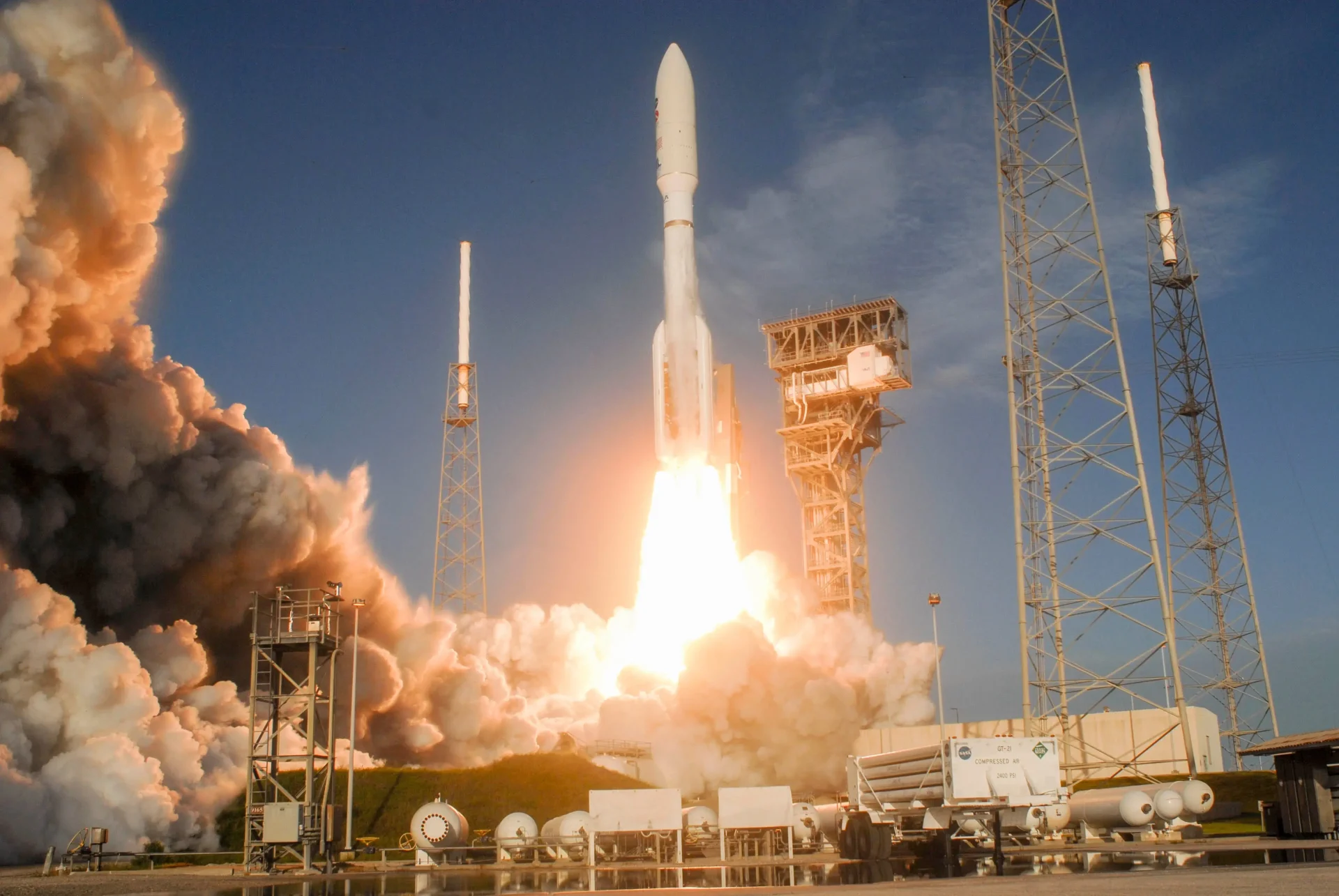
Rocket Launch Today: Everything You Need to Know About Current Space Missions
Rocket Launch Today Space enthusiasts searching for rocket launch today information have multiple exciting missions to track throughout September 2025. With SpaceX maintaining an unprecedented launch cadence and other space agencies contributing to an active launch manifest, today’s space industry offers remarkable opportunities to witness cutting-edge aerospace technology in action. Whether you’re tracking live launch schedules or planning to view missions from Florida’s Space Coast, understanding current rocket operations helps you stay connected with humanity’s expanding presence in space. (spacex launch today…) Current Rocket Launch Activity in September 2025 The space industry continues its remarkable momentum with SpaceX leading the charge in commercial spaceflight. As of September 12, 2025, SpaceX has completed 114 launches this year alone, demonstrating the company’s commitment to frequent and reliable access to space. This impressive launch rate supports various missions including satellite deployments, International Space Station resupply operations, and commercial payload deliveries. Anyone looking for rocket launch today schedules should monitor several key launch sites across the United States. Cape Canaveral Space Force Station in Florida remains the primary hub for major orbital missions, while Vandenberg Space Force Base in California handles polar and sun-synchronous orbit insertions. NASA’s Wallops Flight Facility in Virginia also contributes to the national launch infrastructure with specialized missions. Upcoming Launch Windows and Mission Profiles The remainder of September 2025 features several high-profile missions worth tracking. SpaceX has scheduled multiple Starlink satellite deployment missions from Space Launch Complex-40 at Cape Canaveral, continuing the expansion of the company’s global internet constellation. These routine missions provide excellent opportunities for spectators to witness Falcon 9 rocket launches and attempted booster recoveries. International Space Station resupply missions represent another category of launches generating significant public interest. Northrop Grumman’s Cygnus spacecraft missions, launched aboard SpaceX Falcon 9 rockets, deliver essential supplies, scientific experiments, and equipment to astronauts aboard the orbital laboratory. These missions typically feature extended launch windows and provide dramatic nighttime or dawn launch spectacles. How to Track and Watch Rocket Launch Today Events Modern space enthusiasts have unprecedented access to launch information through official channels and tracking websites. SpaceX maintains real-time launch schedules on their website, while NASA provides comprehensive mission details through their events calendar. Third-party tracking services aggregate launch information from multiple agencies, creating centralized resources for space enthusiasts. Live streaming has revolutionized public access to rocket launches. SpaceX streams all major missions on their website and social media channels, providing multiple camera angles including onboard views during ascent and landing attempts. NASA similarly offers comprehensive coverage of their missions and International Space Station operations through NASA Television and digital platforms. For those planning in-person viewing experiences, Florida’s Space Coast offers numerous viewing locations along beaches and parks. Popular spots include Cocoa Beach, Titusville, and various locations along US Highway 1. Arriving early ensures optimal viewing positions, especially for high-profile missions that attract large crowds. The Technology Behind Today’s Rocket Launches Modern rocket technology has evolved significantly from early space program designs. SpaceX’s Falcon 9 rocket features reusable first stages that land vertically after completing their primary mission, dramatically reducing launch costs and increasing mission frequency. These technological advances enable the high launch cadence that supports today’s diverse space economy. Payload deployment has become increasingly sophisticated, with rockets carrying multiple satellites on single missions. Rideshare programs allow smaller organizations and countries to access space affordably by sharing launch costs with other customers. This democratization of space access has created new opportunities for scientific research, Earth observation, and commercial ventures. Future Outlook for Rocket Launch Today Searches The space industry’s trajectory suggests continued growth in launch frequency and mission diversity. SpaceX’s ambitious target of more than 150 launches in 2025 reflects the increasing demand for space services across commercial, scientific, and national security sectors. This sustained activity ensures that rocket launch today searches will consistently return current and relevant mission information. Emerging commercial space companies are developing new launch vehicles and mission capabilities, potentially increasing launch opportunities from additional sites across the United States. Blue Origin, Rocket Lab, and other providers are expanding their operational capabilities, creating more diverse launch options for various payload requirements. As space technology continues advancing and launch costs decrease, rocket launches are becoming more routine while remaining spectacular demonstrations of human engineering achievement. Whether tracking missions for professional reasons or personal interest, staying informed about rocket launch today activities connects observers with humanity’s ongoing expansion into the solar system. The combination of frequent launch schedules, comprehensive tracking resources, and accessible viewing options makes this an exciting time for space enthusiasts. From routine satellite deployments to groundbreaking scientific missions, today’s rocket launches represent humanity’s continued push to explore and utilize the space environment for the benefit of life on Earth. (…spacex launch today…)

Life on Mars: NASA’s Perseverance Rover Discovers Strongest Evidence Yet of Ancient Microbial Life
The question of life on Mars has captivated humanity for decades, and today marks a monumental breakthrough in our quest for answers. NASA scientists announced groundbreaking findings that could finally prove ancient organisms once thrived on the Red Planet. This discovery, published in Nature journal and detailed in NASA’s official announcement, represents the closest we’ve ever come to confirming life on Mars. Revolutionary Biosignature Discovery on Mars NASA’s Perseverance rover has identified what scientists are calling the “clearest sign” of potential ancient life on Mars ever discovered. The rover collected a rock sample from Jezero Crater’s ancient dry riverbed, revealing intriguing leopard-like spots that may have been created by microscopic organisms billions of years ago. The sample, nicknamed “Sapphire Falls,” contains textural features that strongly suggest biological activity. These biosignatures aren’t direct evidence of life on Mars itself, but rather compelling indicators that microorganisms may have once inhabited the Martian environment when liquid water flowed across its surface. What Makes This Life on Mars Evidence So Compelling? Scientists have spent over a year analyzing this particular rock sample using advanced imaging techniques aboard the Perseverance rover. The leopard-spotted patterns discovered in the ancient mudstone formation exhibit characteristics typically associated with microbial activity on Earth. Key findings supporting potential life on Mars include: Organic Chemical Signatures: The rock contains complex organic compounds that could indicate biological processes once occurred in this location. Textural Biosignatures: Microscopic structures within the sample mirror formations created by microbial communities on Earth, suggesting similar life on Mars may have existed billions of years ago. Environmental Context: The sample originated from what was once a lake bottom in Jezero Crater, providing the perfect conditions for ancient life on Mars to flourish when the planet had a warmer, wetter climate. The Journey to Prove Life on Mars This breakthrough didn’t happen overnight. The Perseverance rover has been methodically exploring Mars since February 2021, specifically searching for signs that life on Mars once existed. The rover’s sophisticated drill system penetrates Martian rocks to collect samples from locations scientists believe were most suitable for hosting ancient organisms. The “Sapphire Falls” sample represents years of careful planning and execution. Scientists selected this particular location because geological evidence suggested it was once submerged beneath a Martian lake – an environment where life on Mars would have had the best chance of survival and preservation. What Happens Next in the Search for Life on Mars? While this discovery provides the strongest evidence yet for ancient life on Mars, scientists emphasize that definitive proof requires bringing these samples back to Earth for detailed laboratory analysis. NASA’s ambitious Mars Sample Return mission aims to retrieve these precious specimens within the next decade. Advanced Earth-based laboratories will be able to conduct tests impossible to perform on Mars, potentially providing conclusive evidence of whether life on Mars truly existed. These analyses could detect fossilized microorganisms, analyze complex organic molecules, and determine whether the observed patterns definitively indicate biological rather than geological processes. Implications of Discovering Life on Mars Confirming life on Mars would represent one of the most significant scientific discoveries in human history. It would prove that life isn’t unique to Earth and could exist throughout the universe under suitable conditions. This discovery would reshape our understanding of biology, planetary science, and our place in the cosmos. The findings also provide crucial insights into Mars’ ancient climate and habitability. If life on Mars existed billions of years ago, it suggests the Red Planet once possessed conditions remarkably similar to early Earth, with flowing water, protective atmospheres, and stable temperatures conducive to biological processes. The Future of Life on Mars Research NASA’s continued exploration efforts focus on answering whether life on Mars currently exists beneath the planet’s surface or in other hidden environments. Future missions will drill deeper into the Martian subsurface, analyze polar ice caps, and explore underground cave systems where modern life on Mars might persist. The European Space Agency’s ExoMars rover and NASA’s upcoming Mars missions will continue this vital research, potentially discovering not just evidence of ancient life on Mars, but proof that Martian organisms survive to this day. This historic discovery brings us one step closer to answering humanity’s most profound question: Are we alone in the universe? The evidence increasingly suggests that life on Mars once flourished, and potentially still does, on our neighboring world. Stay updated on the latest developments in Mars exploration and the ongoing search for life on Mars by following NASA’s Mars exploration program and upcoming sample return missions.
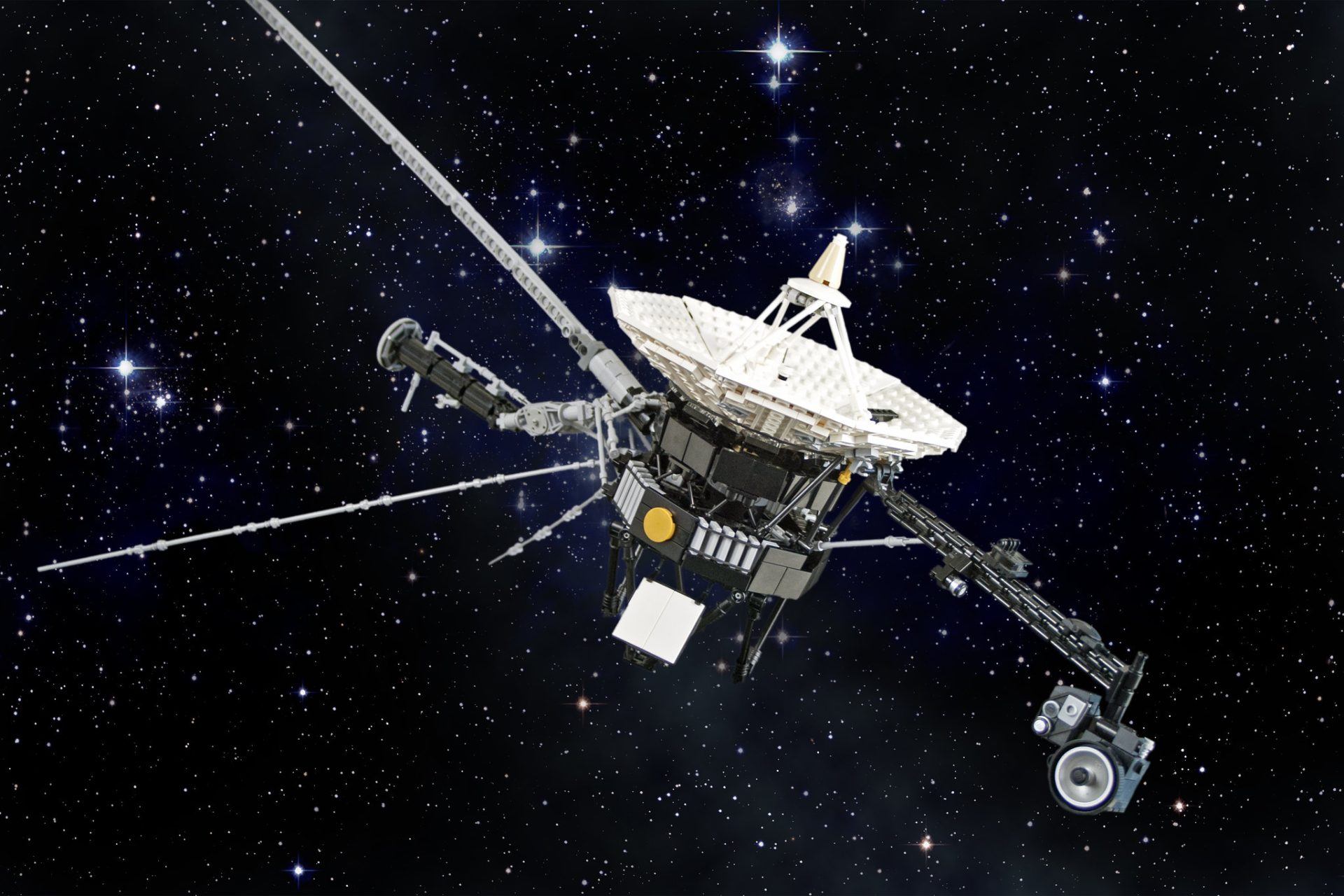
Voyager 2: NASA’s Interstellar Pioneer Continues Historic Mission After 48 Years
NASA’s Voyager 2 spacecraft has captured global attention as it approaches its 48th anniversary in space, marking nearly five decades of unprecedented exploration beyond our solar system. This week marks 48 years since the Sept. 5, 1977, launch of NASA’s Voyager 1 spacecraft, with Voyager 2 following shortly after, making them humanity’s interstellar trailblazers. Current Status: Voyager 2 in Interstellar Space Voyager 2 has reached “interstellar space” and continues its unique journey deeper into the cosmos. The spacecraft is currently operating in the region beyond the heliopause – the boundary where our Sun’s influence ends and interstellar space begins. Currently 20.5 billion kilometers (almost 138 times the distance from Earth to the Sun) away, the mission is now probing the realm outside of the heliosphere. Recent Mission Developments for Voyager 2 NASA has been making strategic decisions to extend Voyager 2’s operational lifespan. Voyager 2 will continue to operate its magnetic field and plasma wave instruments for the foreseeable future, with its cosmic ray subsystem scheduled to be shut off in 2026. These power conservation measures are critical as the spacecraft’s plutonium-powered systems gradually lose energy after decades in space. The space agency has already shut down several instruments to conserve power, including the Plasma Spectrometer in October 2024. In March, Voyager 2’s Low-Energy Charged Particle instrument will be the next to be powered down as part of NASA’s careful power management strategy. Voyager 2’s Unique Scientific Discoveries What makes Voyager 2 particularly special is its status as the only spacecraft to visit Uranus and Neptune. The probe made groundbreaking discoveries during its grand tour of the outer planets, including detailed observations of these ice giants that remain unmatched today. Recent analysis of Voyager 2 data continues to yield new insights. During the flyby, Voyager 2 discovered new moons and rings, but it also unveiled perplexing mysteries about energized particles around Uranus that defied scientists’ understanding. Scientists are still analyzing decades-old data from the mission, with new discoveries emerging regularly. Interstellar Discoveries Continue The spacecraft has made remarkable findings about the edge of our solar system. Voyager 2’s magnetic field instrument confirms a surprising result: The magnetic field in the region just beyond the heliopause is parallel to the magnetic field inside the heliosphere, providing crucial data about this mysterious boundary region. Future Outlook for Voyager 2 Despite the challenges of operating a 48-year-old spacecraft billions of miles from Earth, NASA remains optimistic about Voyager 2’s future. The Voyager team remains optimistic about keeping the two spacecraft operational long enough to celebrate their 50th anniversary in 2027. The mission represents humanity’s longest-running space exploration project, with both Voyager spacecraft continuing to transmit valuable scientific data about interstellar space. As Voyager 2 ventures deeper into the cosmos, it carries with it the famous Golden Record – a message from Earth to any potential extraterrestrial intelligence that might encounter the probe in the distant future. Why Voyager 2 Remains Relevant Today Voyager 2’s ongoing mission provides the only direct measurements of interstellar space from a human-made object. The data it continues to collect helps scientists understand the nature of the space between stars and how our solar system interacts with the broader galaxy. As we approach the 50th anniversary of the Voyager missions, Voyager 2 stands as a testament to human ingenuity and our drive to explore the unknown. The spacecraft continues its silent journey through interstellar space, sending back data that expands our understanding of the universe beyond our solar system. For the latest updates on Voyager 2 and its twin Voyager 1, visit NASA’s official Voyager mission page where real-time tracking and mission status are available.
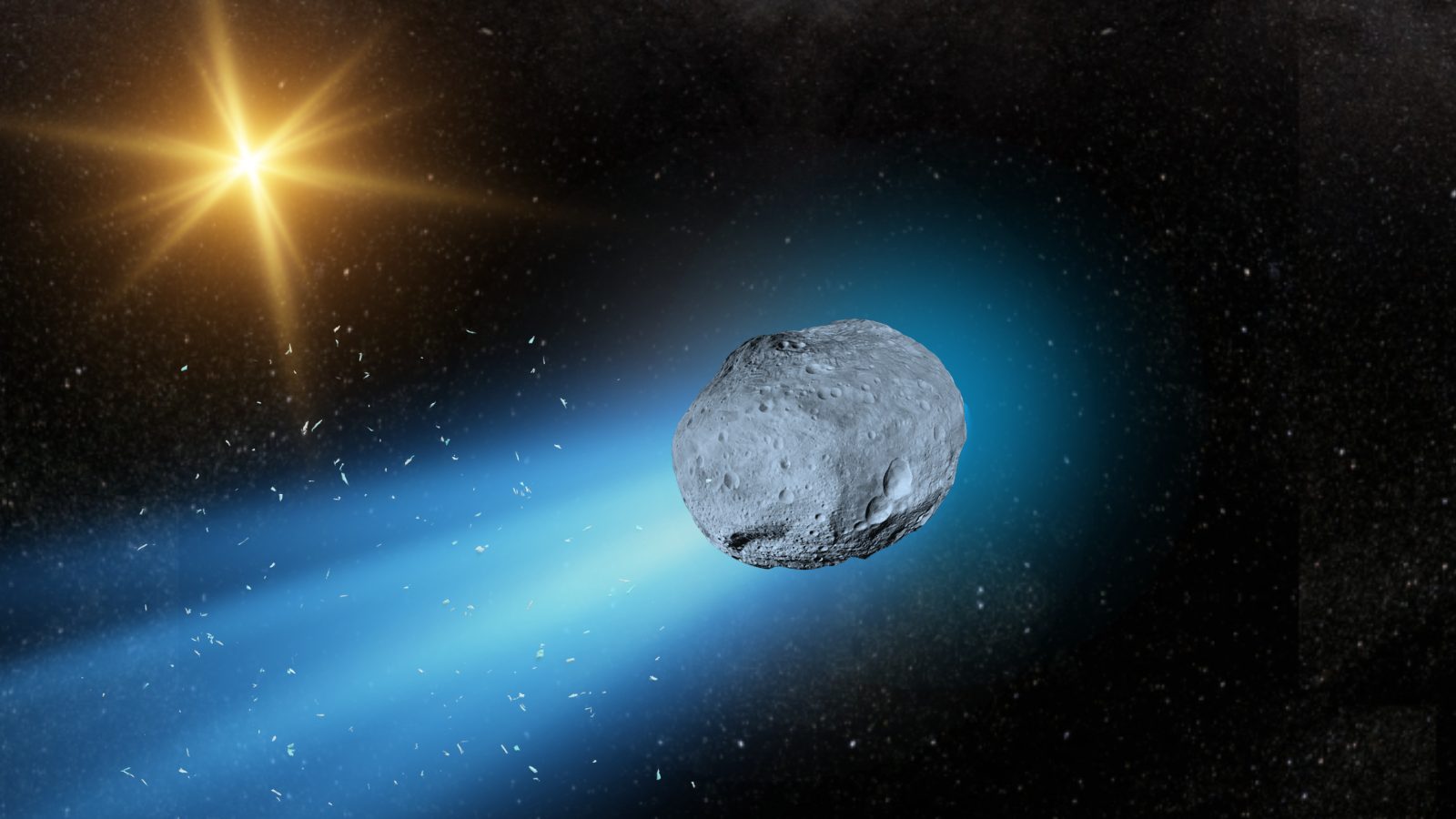
31 Atlas: The Mysterious Interstellar Comet That’s Captivating Scientists Worldwide
What is 31 Atlas? The Space Phenomenon Everyone’s Talking About The interstellar comet 3I/ATLAS (commonly searched as “31 atlas”) has become the most talked-about celestial object in recent weeks, and for good reason. NASA’s James Webb Space Telescope has made its first observations of interstellar comet 3I/ATLAS, revealing that the comet appears to be unusually rich in carbon dioxide. This extraordinary visitor from beyond our solar system is rewriting what we know about interstellar objects, making headlines across major scientific publications and sparking intense debate among astronomers. Breaking News: Why 31 Atlas is Trending Right Now Latest Development: Astronomers have captured a stunning new image of the interstellar intruder 3I/ATLAS, seeing its growing tail and glowing coma. This breakthrough observation has sent shockwaves through the scientific community, providing unprecedented insights into this mysterious cosmic wanderer. Key Recent Discoveries: Carbon Dioxide Mystery: Unlike typical comets that release water vapor, 31 Atlas is expelling massive amounts of CO2 Nuclear-Powered Theory: Harvard scientist notes the unusually precise trajectory of 3I/ATLAS, which will get relatively close to Mars, Venus and Jupiter, with a likelihood of one in 20,000 Hubble’s Stunning Images: New high-resolution photographs reveal incredible detail about the comet’s structure The Science Behind 31 Atlas: What Makes It So Special Unprecedented Composition The new observations reveal a cloud of carbon dioxide (CO2) around 3I/ATLAS corresponding to a mass loss rate of about 70 kilograms per second. No water (H2O) cloud was detected, making this comet fundamentally different from any we’ve studied before. Interstellar Origins While the vast majority of comets that we know of originated on the outer edges of our Solar System, this interstellar visitor likely originated in some other star system entirely, traveling for potentially millions of years to reach us. Size and Behavior Data suggests 3I/ATLAS is losing dust at a rate consistent with comets that are detected around 480 million kilometres from the Sun, indicating it’s a substantial object with remarkable staying power. Upcoming Mars Flyby: A Once-in-a-Lifetime Event Mark Your Calendars: The interstellar comet 3I/ATLAS will zoom past Mars in October 2025, and ESA’s Mars orbiters will attempt to image and analyze the object during the encounter. This historic flyby presents an unprecedented opportunity for detailed study, with multiple space agencies coordinating to capture data from this rare interstellar visitor. What to Expect: High-resolution imaging from Mars orbiters Spectroscopic analysis of the comet’s composition Real-time tracking of its trajectory changes The Controversial Nuclear Theory: Fact or Fiction? The scientific community is divided over Harvard astronomer Avi Loeb’s suggestion that 31 Atlas might be artificially propelled. The overwhelming consensus is that it is a comet, with many researchers disappointed with the new paper and pointed out that it distracts from the work of other scientists. Arguments For the Theory: Extremely precise trajectory timing Unusual composition compared to known comets Consistent velocity maintenance Scientific Skepticism: Multiple telescopic observations confirm comet behavior Natural explanations exist for all observed phenomena Statistical analysis questioned by experts Multiple Telescopes Confirm: 31 Atlas is Truly Bizarre A slew of new observations suggest it may be even weirder than the weirder that it was, with four major telescopes providing consistent but puzzling data about this interstellar visitor. Observing Facilities Involved: James Webb Space Telescope: Infrared spectroscopy Hubble Space Telescope: High-resolution imaging ATLAS Survey: Discovery and tracking Ground-based observatories: Continuous monitoring Will 31 Atlas Hit Earth or Mars? Safety Assurance: All evidence points to comet 3I/ATLAS passing through our Solar System without hitting any of the planets, including our own. The comet’s trajectory has been precisely calculated, and while it will make close approaches to several planets, it poses no collision risk. How to Follow 31 Atlas Updates Stay informed about this developing story through: NASA’s official updates on James Webb observations ESA’s Mars mission reports during the October flyby Astronomical journals for peer-reviewed findings Space news websites for breaking developments The Bigger Picture: What 31 Atlas Teaches Us This remarkable interstellar comet is more than just a space curiosity—it’s a window into: Planetary formation in other star systems Interstellar medium composition Comet evolution over cosmic timescales Detection methods for future interstellar objects Conclusion: The Future of 31 Atlas Research As 31 Atlas continues its journey through our solar system, scientists are working around the clock to unlock its secrets. The upcoming Mars flyby in October 2025 promises to deliver groundbreaking data that could reshape our understanding of interstellar objects. Whether you’re a space enthusiast or simply curious about this trending phenomenon, 31 Atlas represents one of the most significant astronomical discoveries of our time. Keep watching the skies—and the news—as this cosmic mystery continues to unfold. Stay Updated: Bookmark this page for the latest 31 Atlas developments as this story continues to evolve with new discoveries from the world’s most powerful telescopes.
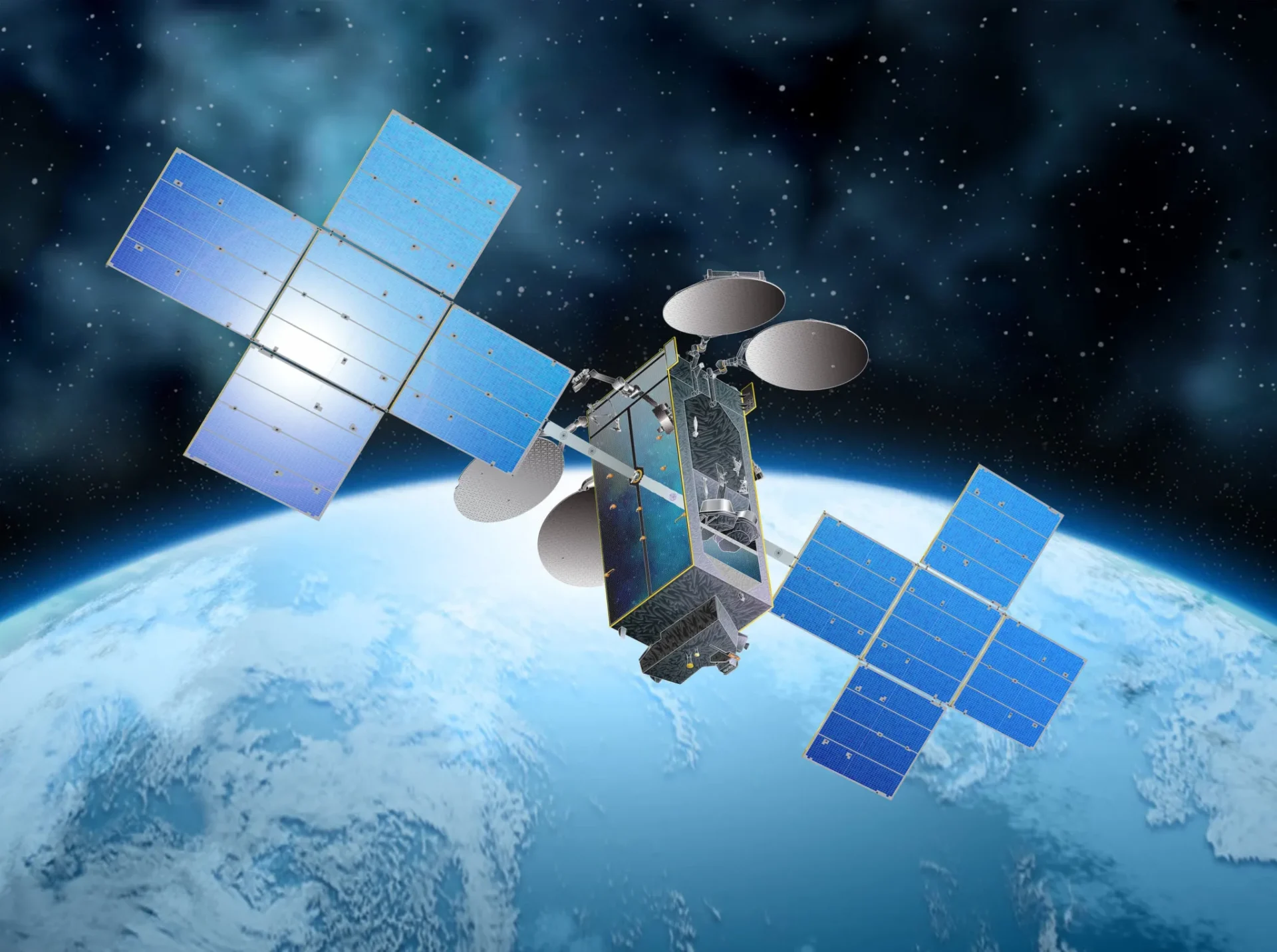
EchoStar Makes Headlines: $17 Billion SpaceX Spectrum Deal Shakes Up Satellite Industry
Breaking News Update – September 8, 2025 $17 Billion SpaceX Spectrum Deal Shakes Up Satellite Industry EchoStar Corporation (NASDAQ: SATS) is dominating financial headlines today following two major announcements that could reshape the satellite communications landscape. The company has struck a massive $17 billion spectrum deal with SpaceX while simultaneously canceling a $1.3 billion satellite contract with MDA Space. EchoStar-SpaceX $17 Billion Spectrum Sale: What You Need to Know In a groundbreaking move announced today, EchoStar has agreed to sell its complete portfolio of AWS-4 and H-block spectrum licenses to SpaceX for an unprecedented $17 billion. This deal represents one of the largest spectrum transactions in telecommunications history and positions SpaceX to enhance its Starlink Direct-To-Cell constellation significantly. Key Details of the EchoStar-SpaceX Agreement: Transaction Value: $17 billion for full spectrum portfolio Spectrum Type: AWS-4 and H-block licenses Purpose: Development of next-generation Starlink Direct-To-Cell services Timeline: Deal announced September 8, 2025 Market Impact: Expected to accelerate satellite-to-cellular connectivity The spectrum sale comes just weeks after EchoStar’s previous major deal with AT&T, where the telecommunications giant agreed to acquire certain wireless spectrum licenses for approximately $23 billion. These back-to-back transactions demonstrate EchoStar’s strategic pivot in monetizing its valuable spectrum assets. MDA Space Contract Cancellation Creates Industry Ripples In a surprising parallel development, EchoStar has canceled its $1.3 billion direct-to-device (D2D) satellite constellation contract with MDA Space. The cancellation affects a planned satellite network that was intended to compete in the growing direct-to-device communications market. Impact on Satellite Industry: MDA Space Effect: Significant revenue loss for the Canadian space technology company Market Shift: Indicates changing priorities in satellite constellation deployment Strategic Realignment: EchoStar focusing resources on spectrum monetization EchoStar Stock Performance and Market Reaction Following recent spectrum deals, EchoStar stock has experienced significant volatility. The company’s shares previously skyrocketed 70% on the AT&T deal announcement, and today’s SpaceX agreement is expected to generate additional investor interest. Investment Highlights: Revenue Diversification: Multiple billion-dollar spectrum sales Asset Optimization: Strategic disposal of underutilized spectrum Market Position: Enhanced liquidity for future investments FCC Compliance: Deals help resolve regulatory inquiries What This Means for the Satellite Communications Industry The EchoStar-SpaceX partnership represents a significant shift in satellite communications strategy. By selling spectrum to SpaceX rather than building its own constellation, EchoStar is essentially betting on Elon Musk’s company to lead the direct-to-cell revolution. Industry Implications: Consolidation Trend: Smaller players selling assets to major providers Spectrum Valuation: Confirming high value of mobile spectrum assets Technology Focus: Shift toward proven satellite operators Competition Impact: Strengthening SpaceX’s position against competitors EchoStar’s Strategic Business Transformation These recent moves highlight EchoStar’s evolution from a traditional satellite TV provider to a spectrum asset monetization company. The company, originally founded by Charlie Ergen, has successfully pivoted to capitalize on the increasing demand for wireless spectrum. Business Segments Update: Pay-TV Services: Traditional satellite television operations Connectivity Services: Broadband and enterprise solutions Spectrum Assets: High-value wireless licenses for mobile carriers Boost Mobile: Wireless carrier operations Financial Impact and Future Outlook With combined spectrum sales to AT&T and SpaceX potentially totaling over $40 billion, EchoStar is positioned for significant financial transformation. These transactions provide substantial capital for debt reduction, shareholder returns, and strategic investments. Key Financial Metrics: Revenue Boost: Multi-billion dollar spectrum sales Debt Reduction: Improved balance sheet flexibility Cash Position: Enhanced liquidity for operations Shareholder Value: Potential for increased dividends and buybacks Looking Ahead: EchoStar’s Next Chapter As EchoStar completes these major transactions, investors and industry observers are closely watching the company’s next strategic moves. The substantial cash influx from spectrum sales provides numerous options for future growth and innovation. The company’s ability to successfully monetize spectrum assets while maintaining its core satellite and connectivity businesses demonstrates adaptive management in a rapidly evolving telecommunications landscape. Conclusion Today’s EchoStar news represents a pivotal moment for both the company and the broader satellite industry. The $17 billion SpaceX deal, combined with the MDA Space contract cancellation, signals a clear strategic direction focused on asset optimization and partnership with established technology leaders. For investors, these developments highlight EchoStar’s successful transformation from traditional satellite operator to strategic spectrum asset manager, positioning the company for continued relevance in the evolving communications ecosystem. This breaking news analysis covers EchoStar’s latest developments as of September 8, 2025. For the most current information, visit EchoStar’s official investor relations page and follow their latest press releases. Related Topics: SpaceX Starlink, AT&T spectrum acquisition, satellite communications, direct-to-cell technology, wireless spectrum valuation, telecommunications industry news Stock Symbol: EchoStar Corporation trades on NASDAQ under ticker symbol SATS

Total Lunar Eclipse Blood Moon: Your Complete Guide to 2025’s Most Spectacular Celestial Events
Total Lunar Eclipse Blood Moon The total lunar eclipse blood moon phenomenon continues to captivate skywatchers worldwide, and 2025 has already delivered breathtaking celestial displays. Whether you’re a seasoned astronomer or a curious beginner, understanding these magnificent events will enhance your appreciation of our cosmic neighborhood. What Is a Total Lunar Eclipse Blood Moon? A total lunar eclipse occurs when Earth passes directly between the sun and the moon, casting its shadow across the lunar surface. During totality, the moon transforms into a stunning deep red or copper-colored orb, earning the popular nickname “blood moon.” The remarkable red coloration happens because Earth’s atmosphere acts like a lens, refracting sunlight around our planet. Blue light gets scattered away, while longer red wavelengths bend through the atmosphere and illuminate the moon’s surface. As NASA beautifully explains, “It is as if all of the sunsets of Earth are being cast upon the face of the Moon.” 2025’s Total Lunar Eclipse Blood Moon Events March 13-14, 2025: The Blood Worm Moon (Already Occurred) The first spectacular total lunar eclipse of 2025 graced the skies on March 13-14, visible across the Americas. This event, dubbed the “Blood Worm Moon” due to its timing during the traditional Worm Moon of March, provided millions of viewers with an unforgettable celestial experience. Visibility: Western Hemisphere, including North and South America Peak Timing: Evening of March 13 into early morning March 14 September 7-8, 2025: The Upcoming Blood Moon The second total lunar eclipse blood moon of 2025 is scheduled for September 7-8, 2025. Unfortunately for North American viewers, this eclipse won’t be visible from their location, but the event promises to be spectacular for observers in other regions. Visibility: Europe, Africa, Asia, and Australia Key Details: The moon will rise partially eclipsed and reach totality approximately 45 minutes later For those unable to witness the September eclipse in person, the Virtual Telescope Project will provide a free livestream beginning at 1:45 p.m. EDT (17:45 UTC) on September 7. Why Blood Moons Captivate Us The total lunar eclipse blood moon phenomenon represents one of nature’s most accessible astronomical events. Unlike solar eclipses, which require special viewing equipment, lunar eclipses can be safely observed with the naked eye from anywhere on Earth’s night side. Scientific Significance Blood moons offer valuable scientific opportunities: Atmospheric research through light refraction studies Historical climate data analysis Educational opportunities for astronomy enthusiasts Cultural and historical significance across civilizations How to Observe a Total Lunar Eclipse Blood Moon Essential Viewing Tips No Special Equipment Needed: Unlike solar eclipses, total lunar eclipses are completely safe to view with naked eyes Best Viewing Locations: Dark sky areas away from city lights enhance the experience Photography: Standard cameras can capture the event with proper settings Duration: Total lunar eclipses can last several hours from start to finish Optimal Viewing Conditions Clear, cloudless skies Minimal light pollution Comfortable outdoor viewing setup Binoculars or telescope for enhanced detail (optional) When Is the Next Blood Moon After 2025? While September 2025 marks the final total lunar eclipse of the year for most observers, the wait for the next spectacular blood moon won’t be too long. The next total lunar eclipse visible from North America is expected in March 2026, just 177 days after the September 2025 event. Planning Your Blood Moon Experience Resources for Eclipse Enthusiasts NASA Eclipse Information Time and Date Eclipse Maps Space.com Lunar Eclipse Guide Live Streaming Options When geographical location prevents direct viewing, several organizations provide high-quality livestreams: Virtual Telescope Project (Italy) NASA’s official channels Major planetariums and observatories The Cultural Impact of Blood Moons Throughout history, total lunar eclipse blood moon events have inspired awe, fear, and wonder across cultures. Modern understanding has transformed these celestial events from omens into opportunities for scientific observation and public astronomy education. Preparing for Future Blood Moons The total lunar eclipse blood moon phenomenon offers regular opportunities for cosmic wonder. By understanding the science behind these events and knowing when and where to look, you can ensure you never miss these spectacular natural displays. Mark Your Calendar September 7-8, 2025: Visible from Europe, Africa, Asia, Australia March 2026: Next opportunity for North American observers Future eclipses: Check eclipse prediction websites for upcoming dates Conclusion The total lunar eclipse blood moon remains one of astronomy’s most accessible and awe-inspiring phenomena. Whether you witnessed March 2025’s spectacular display or you’re planning to catch September’s event via livestream, these cosmic events remind us of our place in the vast universe. Stay connected with reliable astronomical resources, plan your viewing experiences in advance, and don’t forget to share the wonder of blood moons with friends and family. After all, the beauty of a total lunar eclipse is best enjoyed when experienced together. For the latest eclipse information and viewing guides, bookmark NASA’s eclipse resources and professional astronomy websites to stay updated on upcoming celestial events.