
Meta Platforms (NASDAQ: META) continues dominating headlines as the tech giant makes strategic moves across multiple fronts. From poaching Apple’s top AI talent to preparing groundbreaking AR glasses, here’s everything trending about meta in the last 24 hours. Meta CFO Takes Center Stage at Goldman Sachs Conference Breaking today, Meta announced that Chief Financial Officer Susan Li will participate in the prestigious Goldman Sachs Communacopia and Technology Conference at 9:30 a.m. Pacific Time. This appearance signals meta‘s confidence in its financial trajectory and strategic vision for 2025. The timing couldn’t be more perfect for meta investors, as the company’s stock has already surged 26% in 2025, hitting new all-time highs above $738. Wall Street analysts are closely watching for updates on AI investments and revenue projections during Li’s presentation. Apple’s AI Robotics Expert Joins Meta’s Growing Talent Pool In a significant talent acquisition that’s shaking Silicon Valley, Meta successfully recruited Apple’s lead AI researcher for robotics, marking another major victory in the ongoing AI talent war. This strategic hire demonstrates meta‘s commitment to advancing its artificial intelligence capabilities across multiple domains. The move comes as Meta AI approaches the remarkable milestone of 1 billion monthly active users, according to recent quarterly results. This acquisition strengthens meta‘s position in developing next-generation AI applications for both virtual reality and augmented reality platforms. Meta Connect 2025: AR Glasses Revolution Approaches Tech enthusiasts are buzzing about Meta’s upcoming Hypernova AR glasses, expected to launch at Meta Connect on September 17, 2025. Priced at $799, these premium AR glasses will feature the first integrated display in meta‘s smart eyewear lineup. The Hypernova project represents meta‘s bold vision for mainstream augmented reality adoption. Unlike previous smart glasses collaborations with Ray-Ban, these devices will offer full AR capabilities, potentially revolutionizing how users interact with digital content in the physical world. Key Features Expected: Integrated high-resolution displays Advanced AI processing capabilities Seamless social media integration Professional and consumer applications Meta Stock Soars on AI Investment Strategy Financial analysts are bullish on Meta’s trajectory, with the stock riding a powerful upward trend throughout 2025. The company’s strategic pivot toward artificial intelligence and augmented reality is paying dividends, both literally and figuratively for investors. Meta‘s Q2 2025 results showcased impressive growth metrics: Revenue increased 22% to $47.5 billion Operating margin expanded to 43% Income from operations jumped 38% to $20.4 billion Latest Meta AI and Content Updates The social media giant recently published its Community Standards Enforcement Report, providing transparency about content moderation efforts across Facebook, Instagram, and Threads. These insights reveal meta‘s ongoing commitment to platform safety and user experience. Additionally, meta introduced new advertising features at NewFronts 2025, including enhanced creator collaboration tools and video advertising capabilities for Threads. These updates position meta platforms as increasingly attractive destinations for brands and content creators. Looking Ahead: Meta’s Vision for Personal Superintelligence Mark Zuckerberg’s ambitious goal of bringing “personal superintelligence to everyone” continues driving meta‘s product development roadmap. The company’s investments in AI research, AR technology, and platform improvements reflect this comprehensive vision for the future of digital interaction. As meta prepares for Meta Connect 2025, industry experts anticipate significant announcements about: Advanced AI capabilities integration Expanded metaverse experiences New developer tools and APIs Enterprise solutions for businesses The convergence of these developments makes meta one of the most closely watched technology stocks heading into the final quarter of 2025. With today’s Goldman Sachs conference presentation and the upcoming Connect event, meta is positioned to capture investor and consumer attention simultaneously. Stay updated on the latest Meta developments by following their official newsroom and investor relations pages.

Hollow Knight: Silksong Finally Launches on Game Pass – Everything You Need to Know
Published: September 5, 2025 | Reading Time: 5 minutes Silksong Finally Launches on Game Pass After six long years of anticipation, Hollow Knight: Silksong has finally arrived on Xbox Game Pass, marking one of the biggest gaming releases of 2025. The highly anticipated sequel launched on September 4, 2025, and is available day one with Game Pass for Xbox Console, PC, and cloud gaming subscribers. (Silksong Finally Launches on Game Pass) Why Silksong Game Pass is a Game-Changer for Subscribers The inclusion of Silksong on Game Pass represents incredible value for subscribers. Instead of paying the full retail price, Game Pass members can dive into Team Cherry’s masterpiece at no additional cost. This day-one availability makes Xbox Game Pass one of the most compelling gaming subscriptions available today. What Makes Silksong Worth the Wait? After its official reveal in 2019, Hollow Knight: Silksong is finally being released on Xbox, PlayStation, Nintendo Switch, and PC platforms, but Game Pass subscribers get the best deal. The sequel promises to expand on everything that made the original Hollow Knight a beloved indie masterpiece. Key features that make Silksong special: Enhanced combat mechanics with new abilities Stunning hand-drawn art and animation Expansive new world to explore as Hornet Challenging platforming and boss encounters Rich lore and storytelling Game Pass vs. Other Platforms: Why Xbox Wins While Silksong is available across multiple platforms, Xbox Game Pass subscribers get the ultimate advantage. Here’s why choosing Game Pass for your Silksong experience is the smart move: Instant Access Without Breaking the Bank Game Pass subscribers can start playing immediately without worrying about the purchase price. For gamers who want to experience multiple titles, this represents significant savings. Cross-Platform Play and Cloud Gaming With Game Pass, you can seamlessly switch between Xbox console, PC, and cloud gaming. Start your adventure on Xbox, continue on your phone during lunch breaks, and finish on PC – all with the same subscription. Additional September Game Pass Releases Hollow Knight: Silksong may very well be the most exciting new Game Pass game coming in September 2025, but it won’t be alone. Deep Rock Galactic: Survivor is joining Game Pass on September 17, while the console version of well-reviewed city builder Frostpunk 2 is coming on September 18. (Silksong Finally Launches on Game Pass) How to Access Silksong on Game Pass Getting started with Silksong Game Pass is straightforward: Subscribe to Xbox Game Pass if you haven’t already Search for “Hollow Knight: Silksong” in the Game Pass library Download and install on your preferred platform Start playing immediately – no additional purchase required Technical Considerations Current demand has caused widespread crashes and technical issues on all major storefronts following launch, but these issues are being resolved quickly. Game Pass’s robust infrastructure helps manage the high player demand better than individual platform stores. Should You Subscribe to Game Pass Just for Silksong? For many gamers, Silksong alone justifies a Game Pass subscription. Consider these factors: Financial Benefits: Game Pass Ultimate costs less than buying 2-3 full-price games per year Access to hundreds of other high-quality titles Day-one releases from Xbox Game Studios and partners Gaming Library Value: Discover new indie gems alongside AAA blockbusters Try games risk-free without individual purchases Regular additions keep the library fresh The Future of Silksong Content Speaking to Bloomberg’s Jason Schreier, Gibson and Pellen teased extra content, suggesting that Silksong’s journey is just beginning. Game Pass subscribers will likely have immediate access to any future DLC or content updates. Conclusion: Silksong Finally Launches on Game Pass The arrival of Hollow Knight: Silksong on Game Pass represents a watershed moment for subscription gaming. After years of waiting, fans can finally experience this incredible sequel without additional cost through their Game Pass subscription. Whether you’re a longtime Hollow Knight fan or new to the series, Game Pass provides the most accessible and value-packed way to experience Silksong. With cross-platform compatibility, cloud gaming support, and access to hundreds of other titles, subscribing to Game Pass for Silksong access is one of the smartest gaming decisions you can make in 2025. Ready to dive into Silksong? Subscribe to Xbox Game Pass today and start your adventure as Hornet in this long-awaited masterpiece. Looking for more gaming content? Check out our guides on Xbox Game Pass hidden gems and upcoming Game Pass releases. Follow us for the latest gaming news and reviews. Related Keywords: Hollow Knight Silksong, Xbox Game Pass, Silksong release date, Game Pass September 2025, Team Cherry, indie games, Xbox subscription, Silksong review, Game Pass value

Ubisoft 2025: Navigating Challenges While Building Gaming’s Future
Ubisoft 2025 Introduction Ubisoft, one of the world’s largest video game publishers, continues to make headlines in 2025 as the company navigates a complex landscape of financial challenges, exciting game releases, and strategic pivots. From the success of Assassin’s Creed Shadows to ongoing developments in their major franchises, here’s everything you need to know about Ubisoft’s current position and future plans. Financial Performance: Mixed Results in a Challenging Year Revenue Decline and Strategic Adjustments Ubisoft’s 2024-25 fiscal year painted a picture of both challenges and resilience. For the 2024–25 fiscal year, Ubisoft generated net bookings of €1.85 billion, showing the company’s continued market presence despite facing headwinds. However, the first half of the fiscal year revealed significant challenges, with sales declining by 19.6% year-over-year to €672 million. This decline was attributed partly to underperforming releases, including Star Wars Outlaws, which failed to meet initial expectations. Debt Position and Financial Health The company’s financial position remains a concern for investors. IFRS net debt totaled €1,408 million at September 30, 2024, of which €306 million related to the IFRS16 accounting restatement. Despite this debt load, Cash and cash equivalents stood at €933.1 million, providing some operational flexibility. Major Game Releases and Performance Assassin’s Creed Shadows: A Franchise Success Story Assassin’s Creed Shadows became one of the best-selling games of 2025 and, according to Ubisoft’s report, had the second-highest day-one sales of any game in the franchise. This success demonstrates the enduring appeal of Ubisoft’s flagship franchise and its ability to generate significant revenue. Upcoming Gaming Pipeline Looking ahead, Ubisoft has an ambitious release schedule. Ubisoft to launch six games in 2025-2026, including two Assassin’s Creed, two Far Cry and a Splinter Cell, showing the company’s commitment to leveraging its most popular franchises. One highly anticipated release is Anno 117: Pax Romana, which finally got a November release date for later in 2025 as part of the Summer Game Fest 2025 festivities. Current Game Portfolio and Live Services Active Franchises and Updates Ubisoft continues to support its existing game portfolio with regular updates: Rainbow Six Siege: New Rainbow Six Siege Streamer Charm for Y10S3 and ongoing seasonal content Skull and Bones: Skull and Bones Year 2 is here, bringing a fleet of changes to the Indian Ocean Riders Republic: Community Updates are making a comeback in the Republic Environmental Initiatives Multiple Ubisoft studios are taking part in this year’s Green Game Jam, with environmentally themed content being added to games like Riders Republic, Just Dance, Prince of Persia the Lost Crown, and more, showcasing the company’s commitment to environmental awareness. Ubisoft+ Subscription Service Growth The company continues to expand its subscription offering, with Ubisoft+, the subscription service, they can access a growing catalog of more than 100 Ubisoft games and DLC. This represents a strategic shift toward recurring revenue models in line with industry trends. Challenges and Market Position Brand Strength Despite Financial Hurdles The Assassin’s Creed and Rainbow Six brands, as a whole, showcased strong user numbers throughout the year, indicating that while financial performance has been mixed, Ubisoft’s core franchises remain popular with gamers worldwide. Strategic Focus Areas Ubisoft appears to be focusing on: Core Franchise Development: Doubling down on proven properties like Assassin’s Creed and Far Cry Live Service Games: Continuing support for ongoing titles with regular content updates Subscription Services: Expanding Ubisoft+ to create recurring revenue streams Environmental Responsibility: Participating in industry-wide sustainability initiatives Looking Ahead: What to Expect 2025-2026 Game Releases With six major games planned for release over the next two years, including new entries in beloved franchises, Ubisoft is betting on its established properties to drive recovery and growth. Market Recovery Strategy The company’s focus on cost reduction while maintaining investment in major franchises suggests a strategy of weathering current market challenges while positioning for future growth. Conclusion Ubisoft in 2025 represents a company at a crossroads – facing financial challenges while maintaining strong brand recognition and player engagement. The success of Assassin’s Creed Shadows proves there’s still significant demand for Ubisoft’s content, while the ambitious pipeline of upcoming releases suggests confidence in future performance. For gamers, this means continued support for favorite franchises and exciting new releases on the horizon. For investors and industry watchers, Ubisoft’s journey through 2025 will be a crucial test of the company’s ability to adapt and thrive in an evolving gaming landscape. Stay Updated: For the latest Ubisoft news and game updates, visit the official Ubisoft website and follow their news section for real-time announcements. Related Links: Ubisoft Store Ubisoft Investor Relations Rainbow Six Siege News

Network Security Best Practices: Your Complete Guide to Protecting Your Digital Infrastructure in 2025
Network Security Best Practices Network security best practices have become more critical than ever as cyber threats continue to evolve and multiply across the digital landscape. With businesses increasingly relying on digital infrastructure and remote work environments, implementing robust network security measures isn’t just recommended—it’s essential for survival. This comprehensive guide will walk you through the most effective strategies to safeguard your network against today’s sophisticated cyber threats. Why Network Security Best Practices Matter More Than Ever The cybersecurity landscape has dramatically shifted in recent years. According to Cybersecurity Ventures, cybercrime damages are projected to cost the world $10.5 trillion annually by 2025. This staggering figure underscores why organizations of all sizes must prioritize network security best practices. Modern networks face threats from multiple vectors: ransomware attacks, data breaches, insider threats, and sophisticated nation-state actors. Without proper security measures, a single vulnerability can compromise your entire digital infrastructure, leading to financial losses, regulatory penalties, and irreparable damage to your reputation. Essential Network Security Best Practices for 2025 1. Implement Zero Trust Network Architecture Zero Trust represents a fundamental shift from traditional perimeter-based security models. This approach assumes that no user, device, or application should be automatically trusted, regardless of their location within or outside the network perimeter. Key Zero Trust principles include: Verify every user and device before granting access Apply least privilege access controls Continuously monitor and validate security posture Micro-segment network resources The National Institute of Standards and Technology (NIST) provides comprehensive guidelines for implementing Zero Trust architecture effectively. 2. Deploy Multi-Factor Authentication (MFA) Everywhere Multi-factor authentication serves as one of your most effective defenses against unauthorized access. By requiring multiple forms of verification, MFA significantly reduces the risk of successful cyber attacks, even when passwords are compromised. MFA implementation best practices: Enable MFA for all user accounts, especially administrative accounts Use hardware tokens or authenticator apps rather than SMS when possible Implement adaptive authentication based on risk assessments Regularly audit and update MFA policies Research from Microsoft shows that MFA can prevent 99.9% of automated attacks on user accounts. 3. Maintain Comprehensive Network Visibility You cannot secure what you cannot see. Comprehensive network visibility involves monitoring all network traffic, devices, and user activities to identify potential threats before they cause damage. Essential visibility components: Network traffic analysis and monitoring Asset discovery and inventory management User behavior analytics Security information and event management (SIEM) systems 4. Regular Security Updates and Patch Management Unpatched systems remain one of the most common attack vectors. Cybercriminals actively exploit known vulnerabilities, making timely patch management crucial for network security. Effective patch management strategies: Establish automated patching for critical security updates Maintain an inventory of all network assets and their patch status Test patches in a controlled environment before deployment Prioritize patches based on vulnerability severity and asset criticality The Common Vulnerability Scoring System (CVSS) provides a standardized method for rating vulnerability severity to help prioritize patching efforts. 5. Network Segmentation and Micro-Segmentation Network segmentation creates barriers between different network zones, limiting the potential spread of security breaches. Micro-segmentation takes this concept further by creating granular security zones around individual applications, workloads, or data sets. Segmentation best practices: Separate critical systems from general user networks Implement secure gateways between network segments Use software-defined perimeters for flexible segmentation Regularly review and update segmentation policies 6. Robust Backup and Disaster Recovery Planning Even with the best preventive measures, security incidents can still occur. Comprehensive backup and disaster recovery plans ensure business continuity and minimize the impact of successful attacks. Backup and recovery essentials: Follow the 3-2-1 backup rule (3 copies, 2 different media, 1 offsite) Regularly test backup integrity and recovery procedures Implement immutable backups to protect against ransomware Document and practice disaster recovery scenarios The Cybersecurity and Infrastructure Security Agency (CISA) provides valuable resources for ransomware prevention and recovery planning. 7. Employee Training and Security Awareness Human error remains a significant factor in security breaches. Regular security awareness training helps employees recognize and respond appropriately to potential threats. Effective training programs should cover: Phishing and social engineering tactics Password security and MFA usage Safe browsing and email practices Incident reporting procedures Remote work security considerations Advanced Network Security Technologies to Consider Artificial Intelligence and Machine Learning AI and ML technologies enhance network security by identifying patterns and anomalies that might indicate potential threats. These technologies can process vast amounts of data to detect sophisticated attacks that traditional security tools might miss. Extended Detection and Response (XDR) XDR platforms provide comprehensive threat detection and response capabilities across multiple security layers, including endpoints, networks, and cloud environments. This integrated approach improves threat visibility and response times. Software-Defined Perimeter (SDP) SDP creates secure, encrypted connections between users and applications, regardless of their physical location. This approach provides granular access control and reduces the attack surface by making applications invisible to unauthorized users. Compliance and Regulatory Considerations Network security best practices must align with relevant regulatory requirements. Key frameworks and regulations include: GDPR for organizations handling EU citizen data HIPAA for healthcare organizations SOX for publicly traded companies PCI DSS for organizations processing credit card data ISO 27001 for information security management systems The International Organization for Standardization (ISO) provides comprehensive guidance on information security management best practices. Creating Your Network Security Action Plan Implementing network security best practices requires a structured approach: Assess Current Security Posture: Conduct comprehensive security audits to identify vulnerabilities and gaps Prioritize Based on Risk: Focus on the most critical vulnerabilities and highest-risk assets first Develop Implementation Timeline: Create realistic timelines for deploying security measures Allocate Resources: Ensure adequate budget and personnel for security initiatives Monitor and Measure: Establish metrics to track security improvement progress Continuous Improvement: Regularly review and update security practices based on emerging threats Common Network Security Mistakes to Avoid Over-relying on perimeter security without implementing internal controls Neglecting mobile device security in BYOD environments Failing to update security policies as business needs evolve Inadequate vendor security assessments for third-party services Insufficient incident response planning and testing The Future

5 Dynamic Components of a Fiber Optic Cable and Functions
Introduction: What is a Fiber Optic Cable? In our last contest, we explained the importance of optical fibers, so let’s talk about the components of fiber cables. Fiber optic cable is a type of network used for long-distance communications and high-performance data networks. It is made up of several optical fiber strands enclosed in a protective sleeve, and they have a higher bandwidth and can transmit data over longer distances than telephone lines. Many internet, television, and telephone systems in use today are powered by fiber optic cables. Components of a Fiber Optic Cable Optical cables have five main components: core, cladding, coating, strengthening fiber, and cable jacket. What is a Fiber Optic Core? This is the physical glass medium that transmits optical signals from a light source that is connected to a receiving device. Light travels on an optical fiber through its smallest part, called the core. The core of an optical fiber is most often constructed of glass, though some are made of plastic as well. The glass used is pure carbon dioxide (SiO2), a very transparent substance that makes looking at the glass from a distance of 5 miles the same experience as looking through a house window. What is Fiber Optic Cladding? To enable the optical fiber to function, a lower refractive index cladding covers the core. When glass cladding is used, it is made from the same silicon dioxide-based material as the core in a permanently fused form. Throughout the manufacturing process, typical diameters of the cladding are also created. There are two common sizes: 125 micrometers and 140 micrometers. A 125um cladding usually has a core size of 9 to 50 m, while a 140um cladding typically has a core size of 62.5 m. What is Fiber Optic Coating? The coating is the optical fiber’s protective layer against shocks, nicks, scrapes, and even dampness that can harm the cladding. Without a coating, optical fiber is extremely delicate; the coating does not affect the fiber’s capacity to convey light. The coating is chosen for a particular kind of usage or setting. Acrylate is a typical form of coating, which is put into two layers: The cladding receives direct application of the primary coating, and because of its softness, this coating acts as a support for the bent optical fiber. The secondary coating has a hard exterior and is more durable than the primary coating. The Strengthening Fiber The additional layer of protection that this fiber-optic network cable layering has prevents the fragile glass fiber from being completely damaged during installation. As a result, the entire layer—the wire sleeves, tubes filled with gel, and sleeves—is composed of Kevlar. It serves as the layer of opaque or light-absorbing glass that is positioned between the protective fibers. This is done to completely stop any light that can penetrate one fiber strand and enter the other strand. What is a Fiber Optic Cable Jacket? The protective sleeve around the fiber cable plays an important role in protecting the fragile optical fibers in the cable from environmental factors and external forces. Approved for usage in outdoor settings, jackets are made to withstand extreme weather conditions, such as high temperatures and UV radiation. The most common applications for them are outside, like cable lines that are buried or suspended. Conclusion Fiber optic cables are commonly made with a glass core and glass cladding and when all of these components are combined, they guarantee reliable and effective data transfer across vast distances and they are essential to the proper functioning of contemporary fiber optic communication networks, and the importance cannot be emphasized.
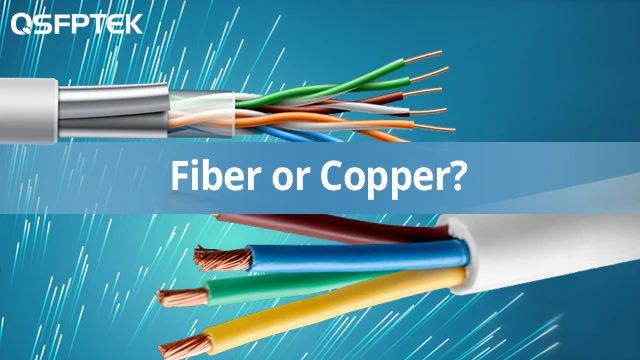
5 Insights into Fiber Cables Vs Copper Cables in Telecommunication
An Overview of Fiber Cables From our last discussion on fiber optics, we already know that fiber cable is the science of transmitting data, voice, and images through the passage of light through thin, transparent fibers. We shall thus talk about the advantages of fiber optics over copper cables in this context (fiber cables vs. copper cables). Introduction to Copper Cables Copper cables are single electrical conductors, either insulated or uninsulated, that are used for electric motors, lighting, heating, communication, and networking. With a small amount of resistance to the passage of electricity, copper is the conductor that is most frequently used in various types of electrical wiring. Significance of Fiber Cables Vs Copper Cables Does the bandwidth offered by copper high-speed Internet and fiber Internet differ significantly from one another? The significance of copper cables vs fiber cables and how they influence data transmission, network dependability, and the overall evolution of telecommunications networks is discussed Advantages of Fiber Optic Cables Over Copper Cables 1. High Bandwidth The easiest way to define bandwidth is to define it as the highest rate at which data may be transferred (usually over the Internet) or as the capacity of a network, which is usually measured in megabits per second (Mbps) or gigabits per second (Gbps). Although copper high-speed Internet providers rarely provide this functionality, fiber technology providers give consumers “symmetrical bandwidth,” or equal rates for both uploads and downloads. If you need to send a signal over longer distances, fiber optic cables are a better option because copper cables can only send data for up to 100 meters. In contrast, certain single-mode fiber-optic cables can send data up to 25 miles. 2. Durability Copper cable is easily damaged by accident or during installation. Copper has a poor tension tolerance despite its massive size. Fiber is more resilient, lightweight, and smaller than copper cabling; intentional vandalism is usually the only way to break it. However, as fiber is composed of glass, care must be taken when handling it. To increase its durability, it is usually covered with a layer of protection. 3. Safety Fiber optic lines don’t transport electrical impulses and are extremely difficult to tap into, offering far greater data security. By keeping a check on the power transfer, one can easily identify compromised or damaged cable, while copper connections are still vulnerable to tapping, which could compromise your network or even slow down your internet. 4. Resistance to Electromagnetic Interference One particular benefit of fiber optic cables is that they are not exposed to electromagnetic interference (EMI), while copper cables can be affected by external electromagnetic fields. Because fiber optic cables offer steady and interference-free data transmission, they are particularly useful in high-EMI contexts, including industrial settings or places with a lot of electrical gadgets. The quality and dependability of data transfer over fiber optic networks are greatly enhanced by their insensitivity to electromagnetic interference. 5. Low Signal Loss While copper cables suffer signal attenuation, fiber optic cables are distinguished by their remarkable signal integrity, boasting negligible signal loss over extended distances. Fiber optics preserve the integrity and clarity of data, allowing for dependable and high-performing transmission, and are the best option for long-haul telecommunications infrastructure because of their low signal loss characteristic, which is a result of the special qualities of glass or plastic fibers. Conclusion With the introduction of optical cable, copper has been completely replaced in all aspects of network transmission due to its ever-reducing cost, higher capacity, exceptionally high speed and long transmission distance, outstanding dependability, and ideal security. The most widely used technology for modern cabling installations and upgrades, including foundations and even desktop applications, is fiber optic cable.

Tech Pioneers Wanted: Join Submarine Cable Engineer Jobs! 2024
Introduction Have you ever wondered how the internet works? It’s not magic; it’s the result of incredible engineering, like that done by Submarine Cable Engineers. Imagine being the architect of the underwater highways that carry our internet signals across oceans! Overview of Submarine Cable Engineer Jobs Have you ever sent a text message or streamed a video online and wondered how it magically travels across oceans, linking continents perfectly? Well, that’s where Submarine Cable Engineers come into play—they are the architects of the digital deep-sea highways. So, what exactly do they do?: Submarine Cable Engineers are the masterminds behind the planning, construction, and maintenance of the cables that lie beneath the ocean’s surface. Visualize them as the quiet maestros of the global communication symphony, making sure your virtual exchanges span enormous underwater territories. Now, think about it: How do you ensure a smooth conversation with someone on the other side of the planet? These engineers grapple with this challenge every day, meticulously strategizing to make your data journey efficient and reliable. But why cables under the sea? It turns out that sending data through the air, like satellites, can be a little bit like taking a scenic route. Submarine cables, on the other hand, create a direct, high-speed pathway for your internet signals. These engineers are the unseen heroes of information generation; they make sure your data moves quickly and accurately, connecting people all over the world. Importance of Submarine Cable Engineers in Telecommunications Have you ever been amazed at the speed at which you use the internet? Acknowledge the pivotal role Submarine Cable Engineers play in making it happen as they design, lay, and maintain the extensive network of undersea cables, connecting continents and ensuring the swift exchange of information across oceans. Picture this: you’re sending a message to a friend on the opposite side of the globe. Submarine Cable Engineers ensure that your data doesn’t take a detour into space but travels through underwater cables directly. Have you ever considered the vast volume of data that passes through the internet every second? The wizards responsible for building and maintaining the complex network of underwater cables that provide a quick and safe route for your digital communications are known as submarine cable engineers. Now think about the options: We would rely significantly on satellites in the absence of these engineers, which would lead to slower and less dependable internet connections. The primary goals of submarine cable engineers are to increase global communication’s speed, effectiveness, and most significantly, accessibility. Submarine Cable Engineer Jobs 2024 Subsea Construction Engineer Project Engineer – Offshore Export Cable Lead Offshore Cable Engineer (Energy) Asset Installation Engineer Research & Development Engineer Technical Program Manager, Submarine Networks Construction Maintenance Technician Senior R & D Design Engineer Senior/Principal Cable Route Engineer Geotechnical Engineer Cable Engineering Opportunities Senior Mechanical Engineer Qualifications and Education Educational Background for Submarine Cable Engineers Are you dreaming of a career beneath the ocean’s surface as a submarine cable engineer? Concentrate on your studies as you begin your journey. Assume that you are a student of telecommunications or electrical engineering; these fields lay the foundation for understanding the complex web of underwater cables. Have you ever wondered or thought about how information gets around the world? Enroll in classes that investigate the secrets of submerged systems. Having a foundation in these subjects in school will put you on the right track to becoming a proficient submarine cable engineer. So, are you prepared to go out on an educational adventure that will take you from classrooms to the ocean’s depths? Relevant Degrees and Certifications Imagine your education as the compass guiding you to a career in submarine cable engineering. With a degree in electrical engineering, telecommunications, or a similar discipline, you might want to consider setting off. Studying these academic sources will equip you with the information needed to understand the puzzle of the submarine cable. Now let’s talk about certifications, which are educational credentials in the professional sector. Regard them as specific engineering-related skill footprints on your personality, and have you ever thought about starting a certification program to pursue a fascinating career in underwater research? It might hold the secret to opening the gateways to a dimension submerged beneath the surface of the water. Additional Skills and Training: Have you ever considered the extras that make you stand out as a submarine cable engineer? Enhance both your technical knowledge and problem-solving skills to tackle complex situations. Teamwork is the engine that drives successful cable projects; are you ready to collaborate? Effective communication is crucial in the intricate subject of submarine cable engineering since it improves your capacity to explain difficult concepts straightforwardly. In a field that is always changing, continuous education becomes essential; therefore, the issue becomes: Are you prepared to pick up new skills and stay up-to-date? Remember, the more tools in your toolkit, the smoother your journey in submarine cable engineering. Job Responsibilities Have you ever wondered who makes sure your internet signals travel across the seas without a hitch? That’s where submarine cable engineers step in. Designing and Planning Submarine Cable Systems: Crafting the Blueprint Have you ever wondered how the internet travels beneath the ocean? The complicated global network that links us all is designed by submarine cable engineers, who are akin to the sea’s architects. To guarantee an uninterrupted information flow over the vast ocean floor, they determine the optimal paths for the cables and their optimal depth. It’s like planning a superhighway for data, making sure your messages and videos can travel effortlessly from one continent to another. Installation and Maintenance of Submarine Cables Have you ever wondered about the incredible people who make sure the extensive system of underwater cables that power our world runs smoothly? These heroes are the submarine cable engineers. In their role, these engineers take on the critical responsibility of installing and maintaining submarine cables, the lifelines of our digital universe; Also, visualize this: colossal cables lying beneath the ocean, connecting continents, and transmitting data across borders; therefore, submarine cable
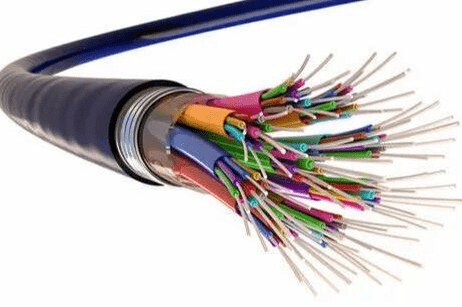
Fiber Optics Cable: Basics
Fiber technology stands for speed, reliability, and efficiency. It is important to understand the basic principles that give power to the world. Let’s go to uncover the “magic of fiber optics.” Learn the Basics of Fiber Optics Fiber optics is a new technology that involves sending data through thin pieces of glass or plastic called optical fibers. These fibers transmit data through light waves, enabling fast and secure communication over long distances. Unlike traditional copper cables, fiber optics have great advantages in terms of bandwidth, speed, and resistance to electrical interference. Key Components At the heart of each fiber optic cable is a core, a small strand of glass that acts as a light signal channel. Around the core is a coating layer that reflects light into the core, preventing signal loss. The outer layer, the protective layer, protects the fragile core and lining from external factors. Light Signals: The Medium of Optical Fibers Information travels at the speed of light. The process starts with a light source, usually a laser or light-emitting diode (LED), which produces a light signal. These signals pass through the cable core and are reflected out due to the total internal reflection. The result is secure and fast data transmission, and fiber optics are the backbone of high-speed internet and mobile networks. Fiber Optics Have Advantages Over Traditional Cables Fiber optics has many advantages over traditional cables. One of the main advantages is the high bandwidth, which allows a large amount of data to be sent at the same time. Optical fiber is not subject to electromagnetic interference, ensuring a stable and reliable connection. The reduction of fiber signals allows data to be transmitted over long distances without loss of quality, which is ideal for long-distance communication networks. Telecommunication Applications The applications of optical fiber in telecommunications are diverse and far-reaching. Fiber networks are the foundation of modern communications infrastructure, supporting everything from high-speed Internet access to smartphone calls. This technology is essential to meet the growing demand for data-intensive services such as cloud computing, online gaming, and video streaming Future Prospects As technology advances, the future of fiber optics looks bright—research and development aimed at improving the efficiency and performance of fiber optic networks. With the emergence of technologies such as 5G, the need for high-speed and low-speed communications will increasingly adopt fiber optics and strengthen its role as the cornerstone of telecommunications. Conclusion In the complex world of modern telecommunications, understanding the basics of fiber optics opens the door to many opportunities. Optical fibers, with their small cores and fast light signals, affect connectivity, interaction, and movement in the digital world. As we continue to push the boundaries of connectivity, the importance of “fiber optic” projects will become even more important to understand and harness the true potential of this groundbreaking technology.
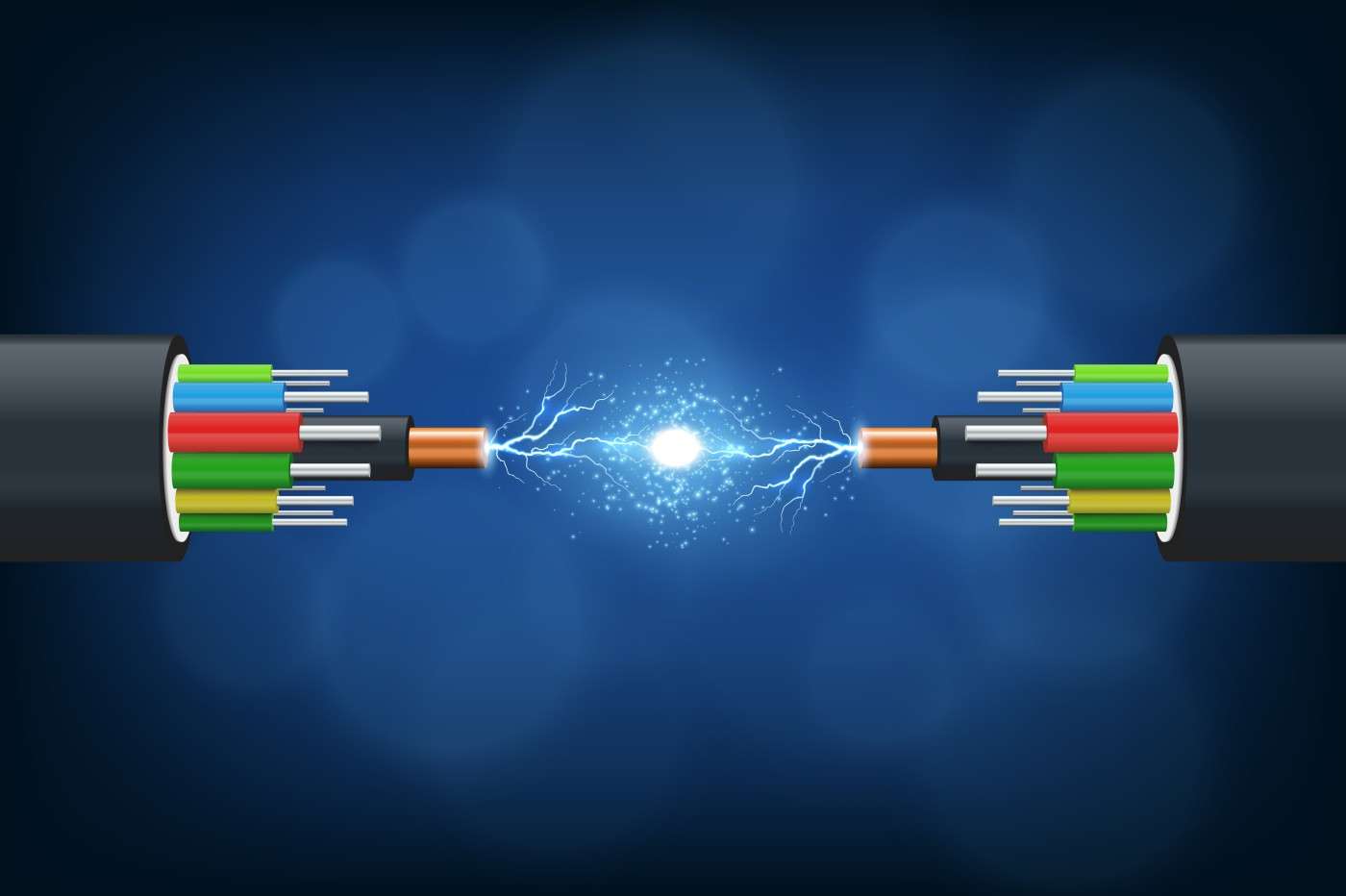
The Importance of Optical Fiber Technology in Telecommunications
Introduction Fiber or optical fiber technology is widely used in wide area networks (WAN), telecommunications, and data communication systems due to its many advantages. The capabilities of efficient data transfer, power isolation, and noise immunity are the main features that have led to the widespread use of this technology. Today, fiber cables are used to transmit all kinds of data, including images, voice, and data. This technology is based on the concept of light conversion and was successfully tested by Narinder Singh Kampany and Harold Hopkins in 1953. Narinder Singh Kampany coined the term fiber optics and introduced the concept to the audience through his writing in the 1960s. Many commercial fiber-optic connections were built and deployed in the 1970s. They can transfer data at a speed of 45 MB/s. Due to further technological developments, a single strand of optical fiber can transmit speeds of over 100 terabits per second. This shows the ability of fiber cables to meet the increasing demands for bandwidth and speed in the future. Overview of Optical Fiber Technology Optical fiber, or optical fiber, is a flexible fiber of glass or plastic that transmits light from one end to the other. These optical fibers have been widely used in fiber communications, allowing long distances to be transmitted with high-bandwidth (data transfer speed) cables. Optical fibers (optical fiber technology) are used instead of metal cables because fewer signals are lost when traveling over optical fibers. In addition, fiber is not subject to electrical interference, which is a problem with metal cables. Importance of Optical Fiber Technology in Modern Telecommunications Lightning speeds: Fiber optic networks offer extremely high download and upload speeds, far greater than traditional copper networks. Speeds range from 100 Mbps to 10 Gbps for fast data transfer, streaming, and browsing. Ensure a smooth internet experience even during internet-intensive activities such as video conferencing, online gaming, and large file transfers. Greater bandwidth: Fiber cables have a higher bandwidth than copper cables. This means that more devices and users can connect to the network at the same time without significant slowdowns. Fiber optic networks can meet the growing demand for smart homes, Internet of Things (IoT) devices, and other connected technologies. Reliable and stable connection: Unlike copper cables, fiber cables are not subject to electromagnetic interference, which can damage or degrade signal quality; therefore, fiber optic networks provide reliable and stable connections, reducing delays and packet loss. This is important for businesses that depend on an uninterrupted network connection for their operations. Longer transmission distance: Fiber cables can transmit data over longer distances than copper cables. While copper cables experience signal degradation over long distances, fiber optic signals remain strong regardless of distance. This makes fiber-optic networks ideal for connecting geographically dispersed locations, such as branch offices or homes in remote locations. Increased security: Fiber optic networks offer more security than traditional copper cable networks. Because optical cables do not transmit electrical signals, they are very difficult to intercept, making it difficult for hackers and unauthorized persons to access sensitive information transmitted over the network. Fundamentals of Optical Fiber Technology Fiber optics are a unique and amazing medium for communication and transmission. Compared to traditional communication media such as copper wire, microwave, and coaxial cable, optical fiber has many advantages. What is optical fiber? Fiber optics in telecommunications is the science of transmitting data, sound, and images by transmitting light through thin, transparent fibers. It has replaced copper cables on long-distance telephone lines and is used to connect computers to local networks. Optical fiber is basically a hair-thin optical fiber, usually made of plastic but usually made of glass. A typical glass fiber is 125 micrometers (μm) or 0.125 mm (0.005 inch) in diameter. This is exactly the diameter of the outer shade, or reflector. The diameter of the transmission core in the cylinder can be as small as 10 μm. Through a process called total internal reflection, light entering an optical fiber can travel long distances through the core with little attenuation or loss of power. How Optical Fibers Transmit Data Light travels along a fiber-optic cable, repeatedly reflecting off walls. Each tiny photon (a particle of light) bounces around the tube like a bobsleigh down an ice rink. Now, one might expect that a ray of light traveling through a transparent glass tube would only exit at the end. However, when light hits the glass at a very shallow angle (less than 42 degrees), the light reflects into the glass, as if the glass were a mirror. This is a total internal reflection. It’s one of the things that keeps the light inside the tube. Another element that keeps the light within the tube is the construction of the cable, which is made up of two separate parts. The main part of the cable (the center) is called the core and is the part through which light passes. Another layer of glass, called the cladding, is wrapped around the outside of the core. The role of the cladding is to keep the optical signal within the core. This is possible because it is made of a different type of glass than the core. (Technically, the cladding has a lower refractive index.) Types of Optical Fibers There are three types of standard cable optical fibers, which are: A. Single Mode Fiber Optic Cable: A single-mode fiber optic cable has a diameter of 9 microns and provides a single mode (single wavelength) for light propagation, which reduces internal reflections and minimizes attenuation. Single-mode fiber-optic cables are generally used for long-distance network connections and are more expensive than multimode fiber-optic cables. B. Multimode Fiber Optic Cable: Multimode fiber optic cable has a larger core diameter than SMF, meaning that more wavelengths can be accommodated. MMF comes in two sizes: one is 50 microns and the other is 62.5 microns, and it provides multiple paths for light transmission. Multimode fiber optic cables are used to transmit data over short distances in various connections within a local area network, or LAN. C. Plastic Optical Fiber (POF):